
Sustainable Agriculture

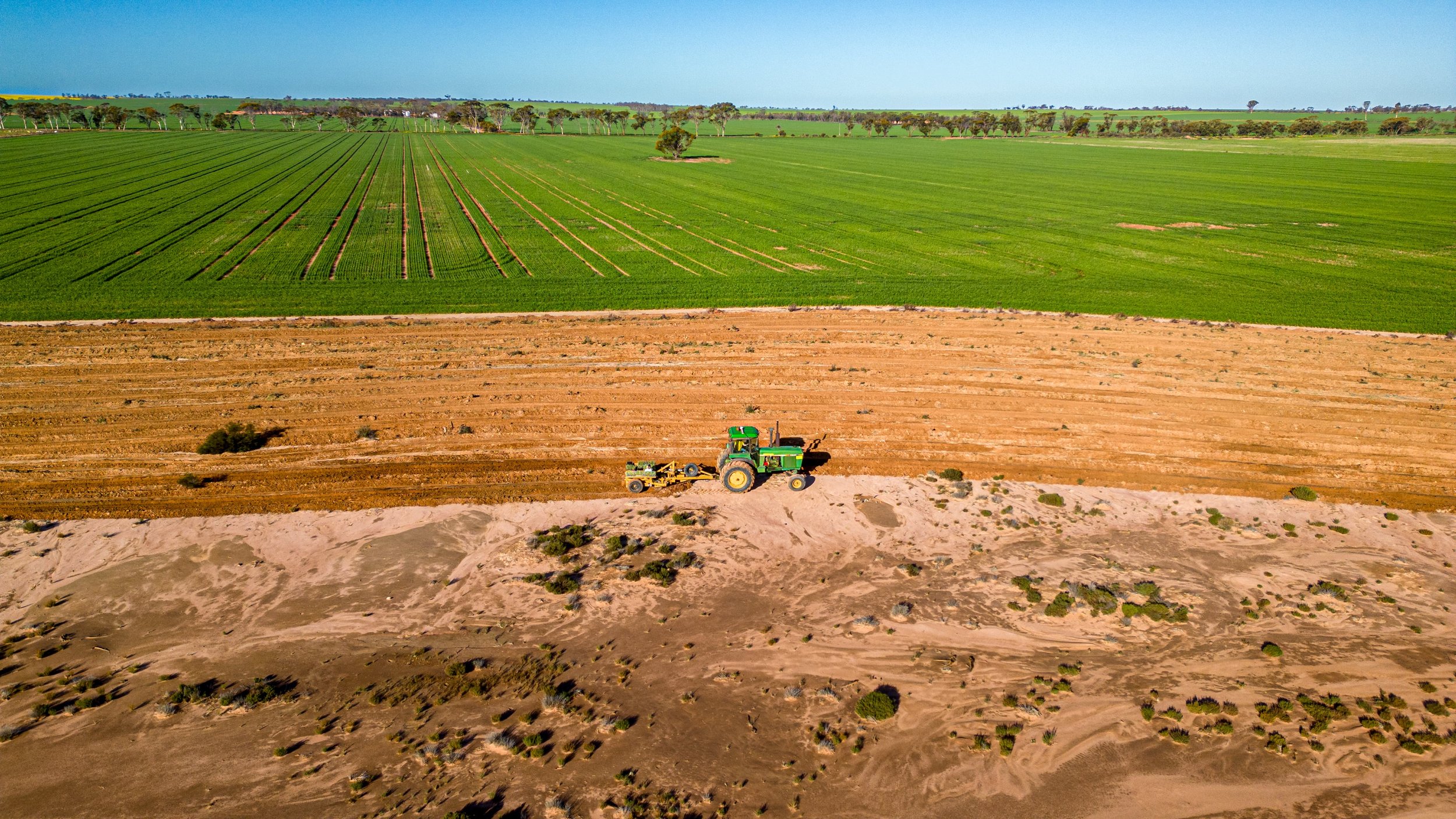
The Sustainable Agriculture team supports landholders to explore, trial, adopt and measure the success of sustainable agricultural land use practices. Driven by community and stakeholder consultation, the projects build resilient and profitable farming systems by improving soil health for greater productivity, restoring unproductive landscapes to productive grazing systems, and reducing feral species. The team employs Sustainable Agriculture Facilitators (SAF) under the Climate-Smart Agriculture Program sub-program of the Natural Heritage Trust. This is a central contact for landholders, industry and community groups to support climate-smart agricultural practices in the Avon River Basin.
Projects

FutureCarbon4 - Assessing the potential of Saltbush to Sequester Carbon in WA Southwest
This innovative project explores saltbush’s potential to sequester carbon in the Wheatbelt, contributing to the region’s net zero emissions goal by 2050. It compares new and long-established plantings for carbon impact.
Corella Management Project
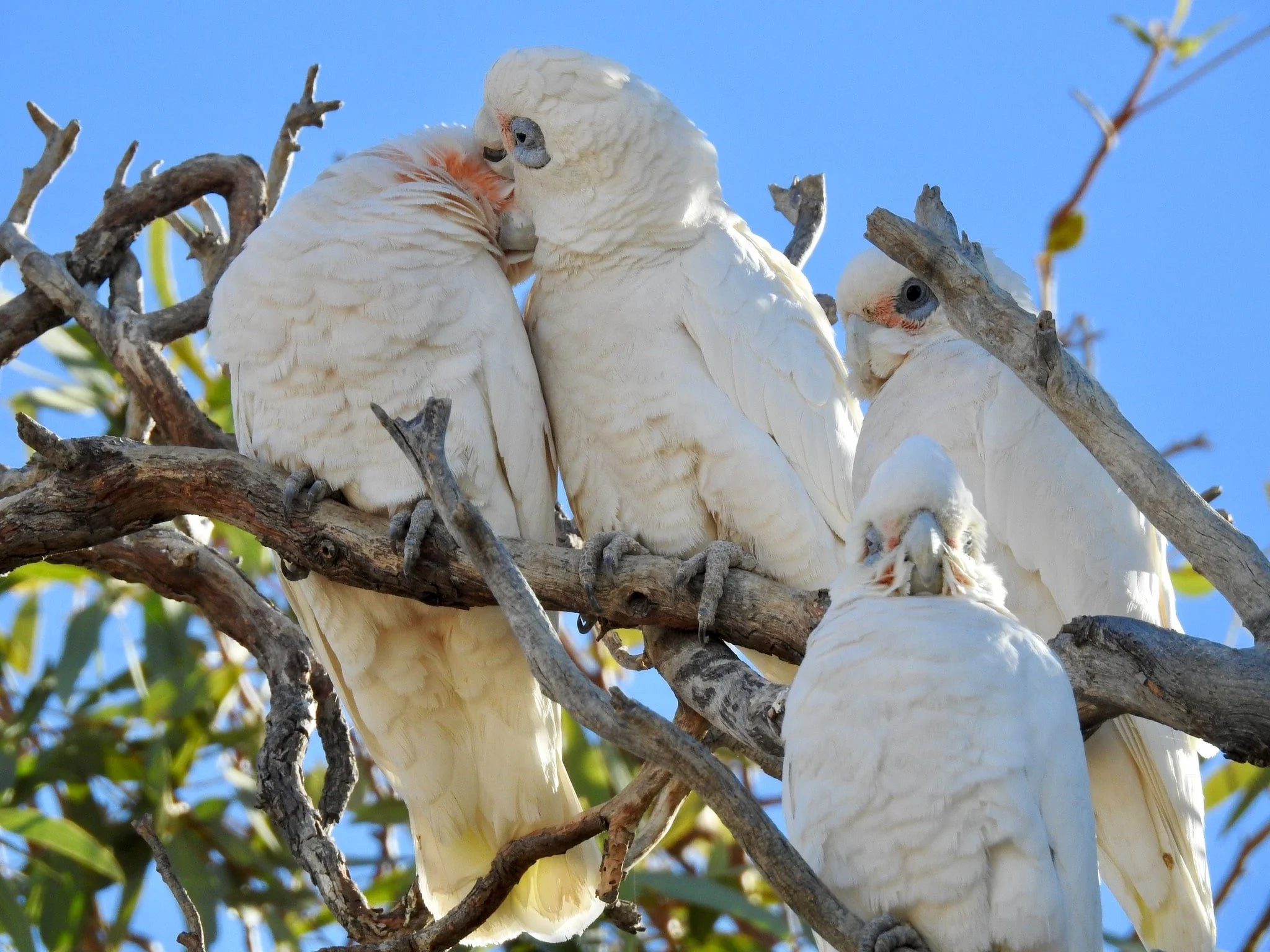
Wheatbelt NRM, in partnership with CBH and AROC (Victoria Plains, Goomalling, Toodyay, Northam, York), employs a coordinator to manage corella impacts. Long- and short-term management methods are being developed.

Forage for Nature
Building on the Optimising Fodder project, partnering with Avon River Basin farmers to create biodiverse forage systems that boost productivity, protect soils, and enhance biodiversity demos and workshops showcasing a dual approach.

Red Card for Rabbits and Foxes
A coordinated community predator management program delivered across the Southwest Land Division.
WA State Environmental Asset Framework
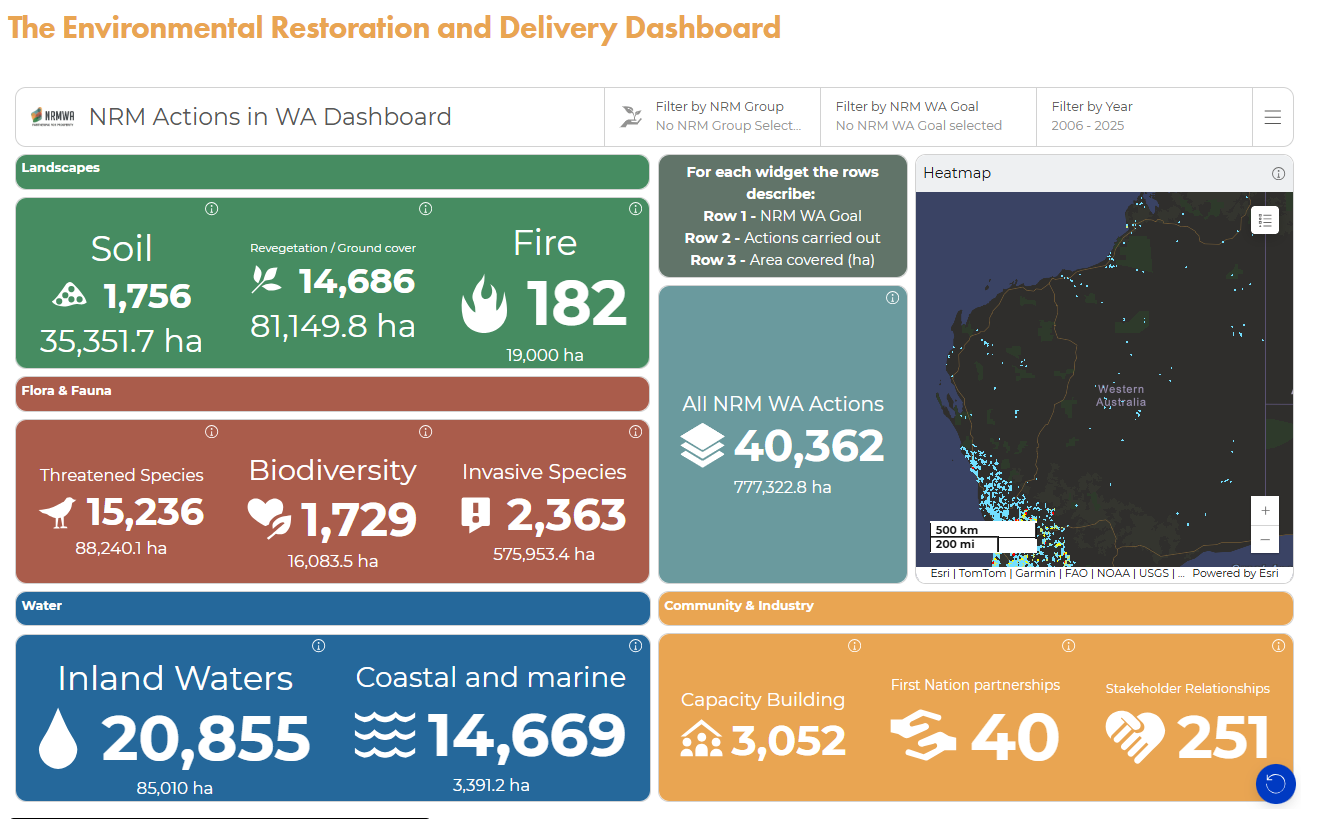
This project, funded by Lotterywest and partnering with 5 other WA NRMs, wrapped up in December 2025 and delivered two major outputs: a spatial prioritisation tool to be used by NRM practitioners and The Environmental Restoration and Delivery Dashboard.

Talkin’ Soil Health (TSH)
A biennial conference since 2013, unites landholders, community, industry, and research to share knowledge on soil health issues, successes, and challenges. It highlights soil science advances and champions landholder experts.
National Soil Monitoring Program
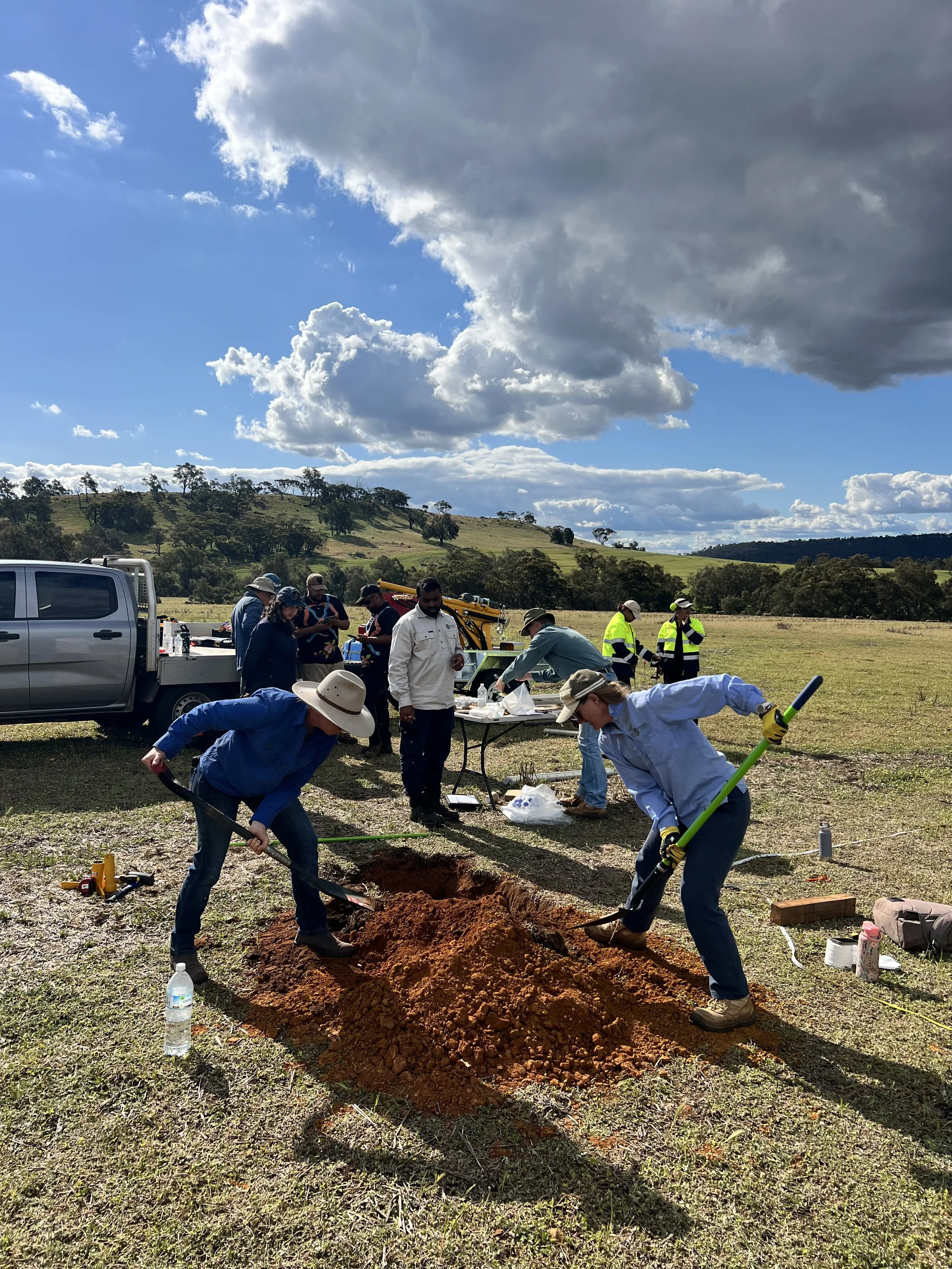
This projects aims to collect soil samples from 3,000 sites across Australia between 2024-2028 to monitor national soil health indicators and to use the data to help understand soil condition and trends. Around 450 target sites have been identified in the south-west so far.

Green Sheep Project
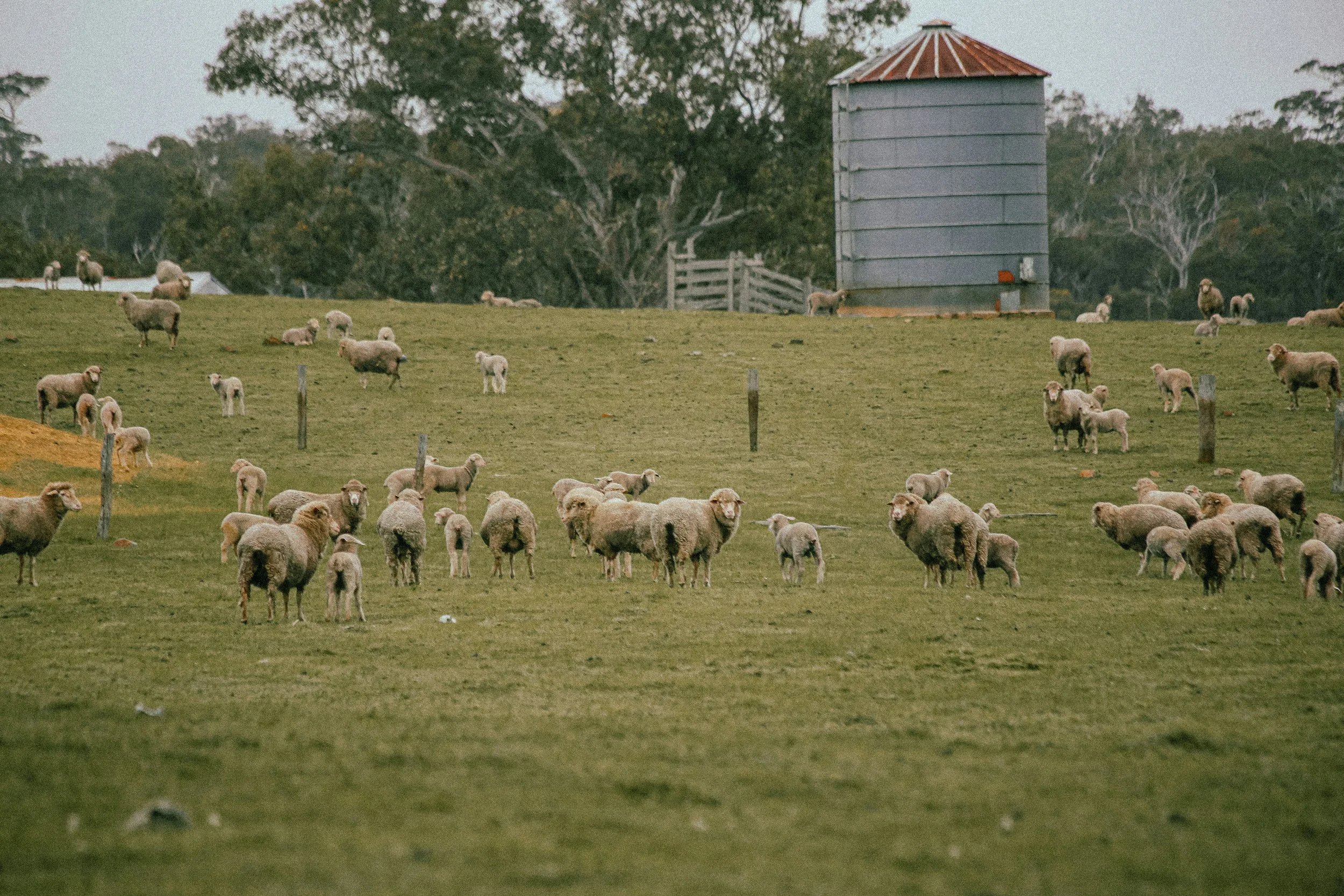
This project focuses on understanding, demonstrating and measuring the environmental role of sheep grazing within broadacre and mixed farming systems. The work will help producers gain a clearer understanding of the environmental impact and value of sheep.
Collaborative Catchment Approach to Wheatbelt Regenerative Agricultural Practices
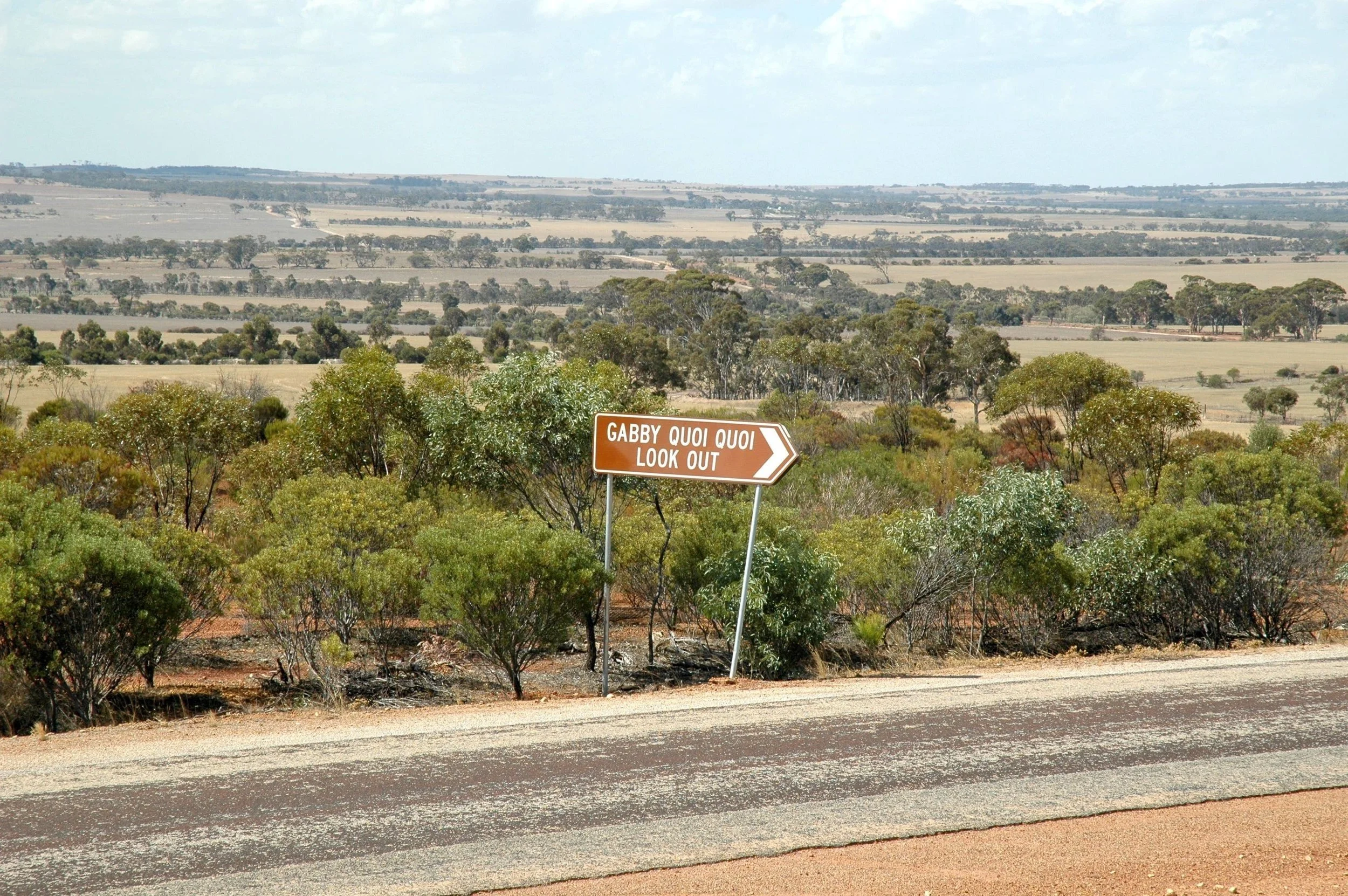
This Wheatbelt NRM in collaboration with the Mulloon Institute and the Gabby Quoi Quoi Catchment Group are testing the assumption that working together at the catchment scale farmers can build a sustainable future based on regenerative practices that support systems change for restoring landscape functionality.
Discovering the Ecology of Wheatbelt Corellas
This project focuses on improving our understanding of corella populations across the Wheatbelt by investigating their species composition, ecology, and population trends.