

News

Buzzword of the month: Nature Repair Market
Our buzzword for the month is Nature Repair Market.
The Nature Repair Act 2023 came into effect on December 15th 2023 and was the first step in creating a legislated, national and voluntary biodiversity market where Biodiversity Credits can be earned, bought and sold.
Read the full story to learn more about how the Nature Repair Market may impact the Wheatbelt

Rangers prepare for ANZAC day
The Wheatbelt NRM Noongar Boodjar Ranger team have been busy over the past month continuing their important work within the community including preparing the Northam cemetery in the lead up to ANZAC day 2025.
The task is one the Ranger team is proud to be a part of, ensuring those who had served our country are given this small token of remembrance.
We honour those who gave so much to those of us who do grow old in this fantastic country we call home. May they rest in peace.

Farewell Carla
On a poignant note, Wheatbelt NRM is farewelling Carla Swift, our current Business Development Manager.
Carla’s work within and through Wheatbelt NRM has spanned several decades starting out in a Landcare role as an environmental science graduate in 1999 working throughout the Nungarin-Merredin district.

Blowing in the Wind
As part of our native grass feature, during the month of May we are shining the spotlight on Windmill Grass.
Love it or hate it, Windmill Grass is a WA native which has been historically maligned, but has potential as a summer feed option.

Staff Feature: Alex Griffiths
Our staff feature of the month is Alex Griffiths, Wheatbelt NRM’s Healthy Environments Manager. Alex has been with WNRM for the past seven years, starting out as a Project Support Officer in 2018. She saw working with WNRM as an opportunity to use her Conservation Biology and Botany degree, moving to the region and falling in love with everything the Wheatbelt has to offer.

Autumn Action: Prepare Now for Successful Revegetation
Weeds, rabbits, and revegetation—what do they have in common? They all need your attention this autumn!
With the rains arriving and the land coming back to life, it’s the perfect time to tackle weeds, prepare for planting, and protect native ecosystems. Learn how a few key actions now can boost the success of your revegetation efforts this winter. Funding support is available—find out how to get involved.

2025 Soil Health Champions Announced
On March 13th following the Talkin’ Soil Health Symposium the Western Australian Soil Health Champion’s were announced at Faversham House in York as part of the Wheatbelt NRM cocktail party.

Staff Feature: Dimity Boggs
Our staff feature for the month of April is Dr Dimity Boggs, our Sustainable Agriculture Manager who is working hard to protect the Wheatbelt and ensure this beautiful country and community that raised her will prosper into the future.

Welcome to the team Zoe Crouch
We’re thrilled to welcome Zoe Crouch as our new Executive Liaison Officer, supporting the CEO office with her incredible knack for keeping things running smoothly. Hailing from South Australia, Zoe’s practical skills and can-do attitude make her a brilliant addition to the Wheatbelt NRM team!

Buzzword of the month: Biodiversity Credits
Have you read a carbon credit article or post on socials recently but weren’t sure what the terminology meant? We’re breaking down some keys words used in the nature industry (credit to Dr Manda Page CEO South West NRM).
This month’s buzzword is Biodiversity Credit, a Biodiversity Credit aims to turn nature into a quantifiable unit of measure that we can buy and sell.

Keep Polyphagous Shot-Hole Borer out of the Wheatbelt
If Polyphagous Shot-Hole Borer (PSHB) were to make its way to the Wheatbelt, it could have devastating impacts on threatened species habitat.
The Department of Primary Industries and Regional Development (DPIRD) have recently updated the native host list and several important forage and nesting species for black cockatoos feature on the list.

Take Action on Feral Animals this Autumn
Autumn is the ideal time to control foxes, cats, and rabbits, as food shortages make pest management more effective. A coordinated approach is key—targeting one species without addressing others can lead to unintended consequences, like increased predation on native wildlife or rabbit population surges.
Effective strategies include fox baiting, cage trapping for cats and young foxes, and integrated rabbit control through calicivirus release, 1080 baiting, fumigation, and habitat reduction. These measures help protect native species and maintain a balanced environment.

Tracking the Invisible: Using eDNA to detect Chuditch
eDNA technology is providing a breakthrough in detecting the elusive Chuditch, a vulnerable marsupial that is hard to trace due to its nocturnal and solitary habits. Wheatbelt NRM is trialling this innovative tool in the Eucalypt Woodlands of the WA Wheatbelt, helping to pinpoint critical habitats for conservation. This method offers a more efficient way to detect and protect species like the Chuditch, which face threats from introduced predators, habitat loss, and human activity. Join us for free community events in March and April to learn more about how eDNA is shaping the future of wildlife conservation.
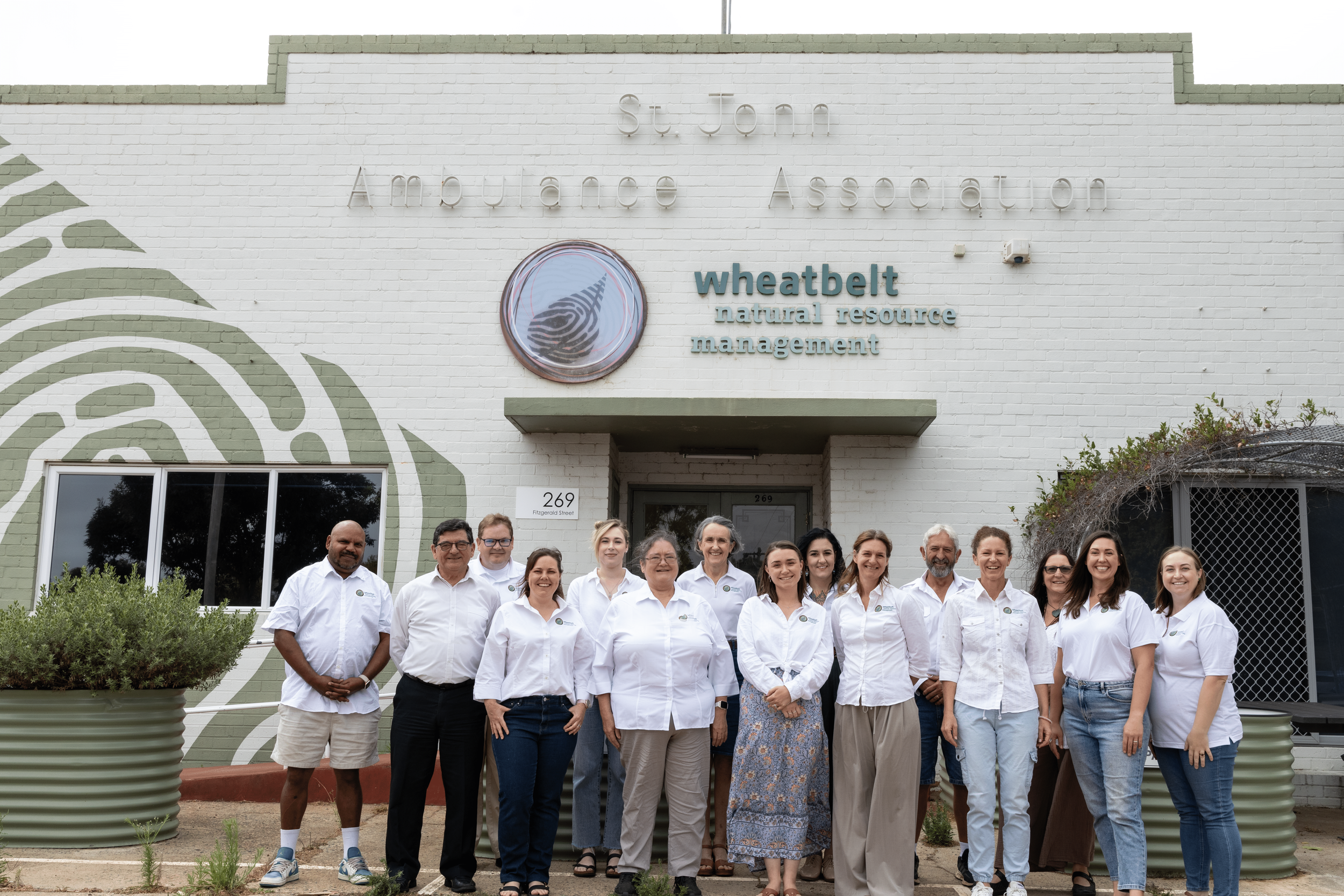
Our Team is Growing!
With new projects on the horizon, we’re growing our team to continue supporting our land, communities, and future generations. Check out our Careers page for open positions!

Wallaby Grass - a tough and palatable pasture option for low rainfall Southwest WA
Following on from our native grass feature in the January eNews edition, this month we will be showcasing Wallaby Grass as a valuable perennial species in revegetation and pasture systems. The grass is widespread and abundant in the Southwest of WA and can thrive in low rainfall and low fertility conditions.

Buzzword of the Month - Nature Positive
Have you read a carbon credits article or post on socials recently but weren’t sure what the terminology meant? We’re breaking down some keys words used in the nature industry (credit to Dr Manda Page CEO South West NRM).
Nature Positive = Stop nature loss + Add more nature than we have now.
The concept started grabbing international headlines in 2021 when leaders at the 47th G7 Conference collectively called for the world to become net zero and nature positive. The next year commitment became more globalised when 188 countries (including Australia) collectively agreed to reverse nature loss by 2050.

Team Feature: Meet Carla Swift, Our Business Development Manager
Get to know Carla Swift, Wheatbelt NRM’s Business Development Manager who is instrumental in providing leadership and support for our Communications and Aboriginal NRM portfolios as well as overviewing an innovative project navigating new industries in the low carbon and natural capital era.

WNRM’s Noongar Boodjar Rangers undergo bushfire training
A team of seven Wheatbelt NRM Noongar Boodjar Rangers recently underwent Bushfire Safety Awareness training, a combination of online theory, classroom theory and practical scenarios with Northam Bush Fire Brigade captain Justin Fox.
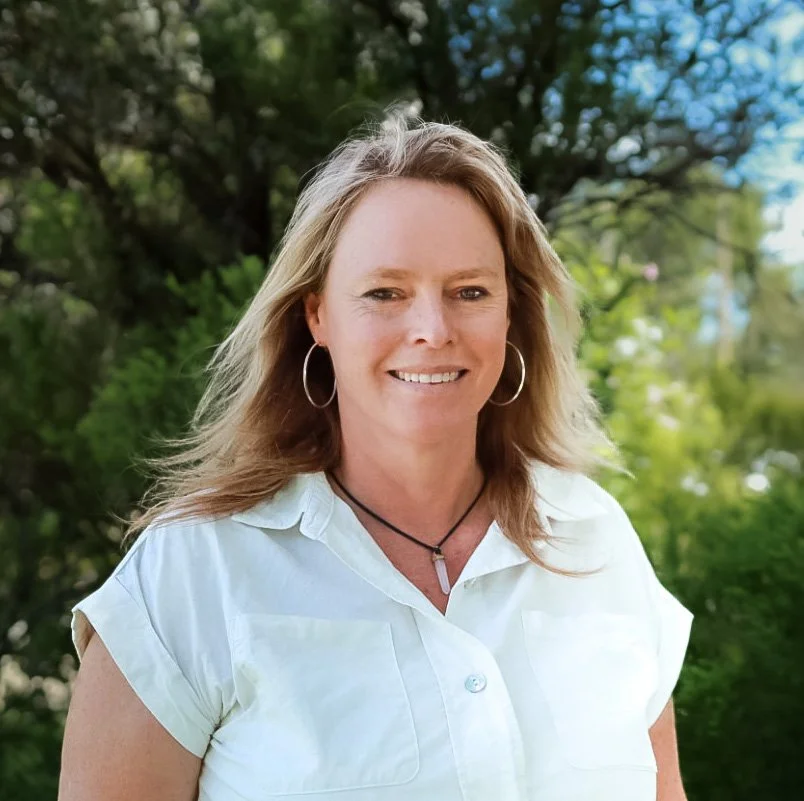
Welcome to the Team Rebecca
We’re excited to welcome Rebecca Turner to Wheatbelt NRM as our Communications & Digital Media Coordinator (Maternity Cover)! With a Bachelor of Communications majoring in Public Relations and Journalism (ECU), Rebecca brings a wealth of experience in media, agriculture, and event coordination. Most recently, she’s been writing full-time for the Countryman Newspaper, covering regenerative agriculture and carbon reduction projects—a perfect fit for our sustainability-driven work!

Team Feature: Meet Renata Paliskis, Our CEO at Wheatbelt NRM
Get to know Renata Paliskis, Wheatbelt NRM’s visionary CEO, who’s leading the way in sustainable agriculture and environmental innovation. With a passion for balancing farming and nature, Renata’s leadership is already driving change and creating lasting impact across the Wheatbelt and beyond.