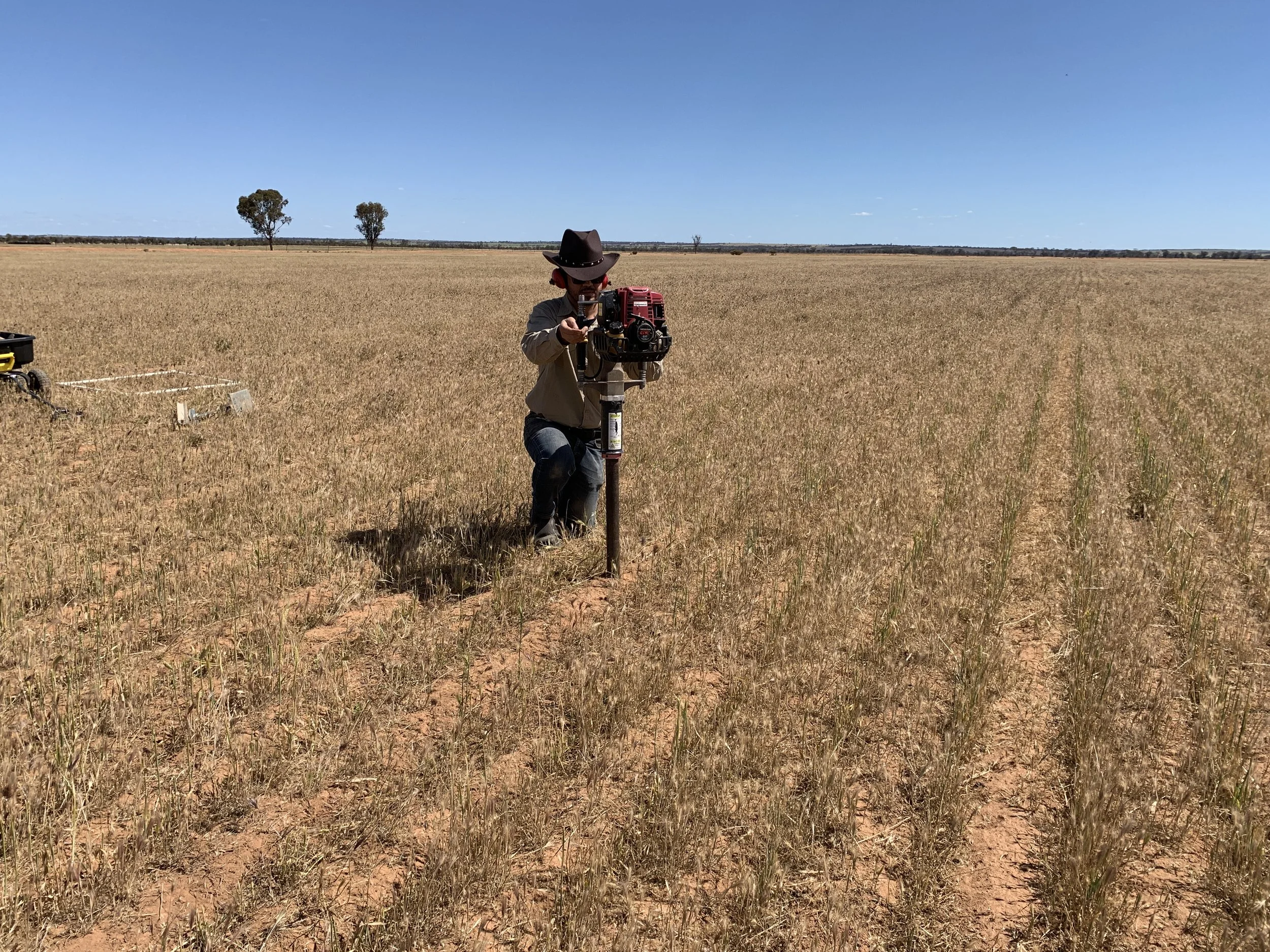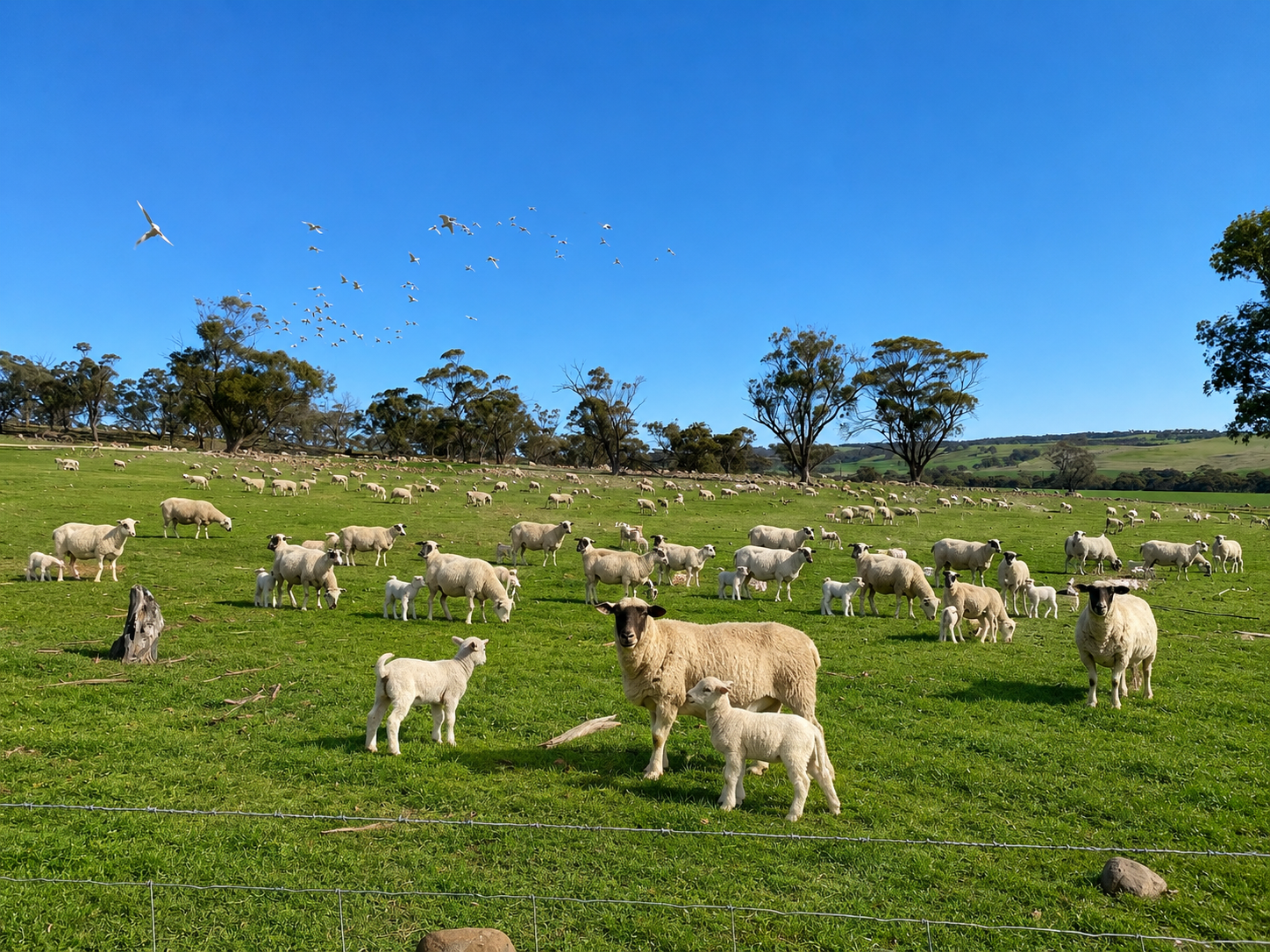
The Green Sheep Project has completed its field monitoring campaign for this season across demonstration sites in Bruce Rock, Nokaning, Kulin and Goodlands in the Wheatbelt, WA.
Led nationally by Sheep Producers Australia and delivered locally by Wheatbelt NRM, the project is working with sheep producers to better understand and showcase the environmental role of well-managed grazing in Wheatbelt mixed farming systems.
Over recent weeks, the Wheatbelt NRM team completed on-farm assessments of soil condition, ground cover, pasture performance and other natural capital indicators. Soil samples have now been submitted for laboratory analysis.
The results will help compare the effects of different sheep management practices on pasture recovery, soil function, biodiversity and farm resilience under local conditions.
Once laboratory results are received, Wheatbelt NRM will work with participating producers to interpret the findings and develop practical insights, decision-support resources and management recommendations.
These outputs will support producers to make informed grazing decisions, understand their farm's natural capital and communicate environmental outcomes with buyers and supply-chain partners.
Wheatbelt NRM thanks participating sheep producers for their support throughout the field campaign and will share emerging results with the Wheatbelt farming community as they become available.
The project is supported by Meat & Livestock Australia, Australian Wool Innovation Integrity Systems Company, AUS-MEAT, the Australian Meat Industry Council, the Southern Australian Livestock Research Council, and the WA Livestock Research Council, bringing together on-farm action with whole-of-supply-chain expertise.
The Green Sheep Project is supported by the Australian Government through the Climate-Smart Agriculture Program under the Natural Heritage Trust.
Subscribe to our e-newsletter and keep up to date on current events, partnership opportunities, and NRM in the Wheatbelt.
Published eNews #420, November 2026