
Regional NRM Plan of the Avon River Basin
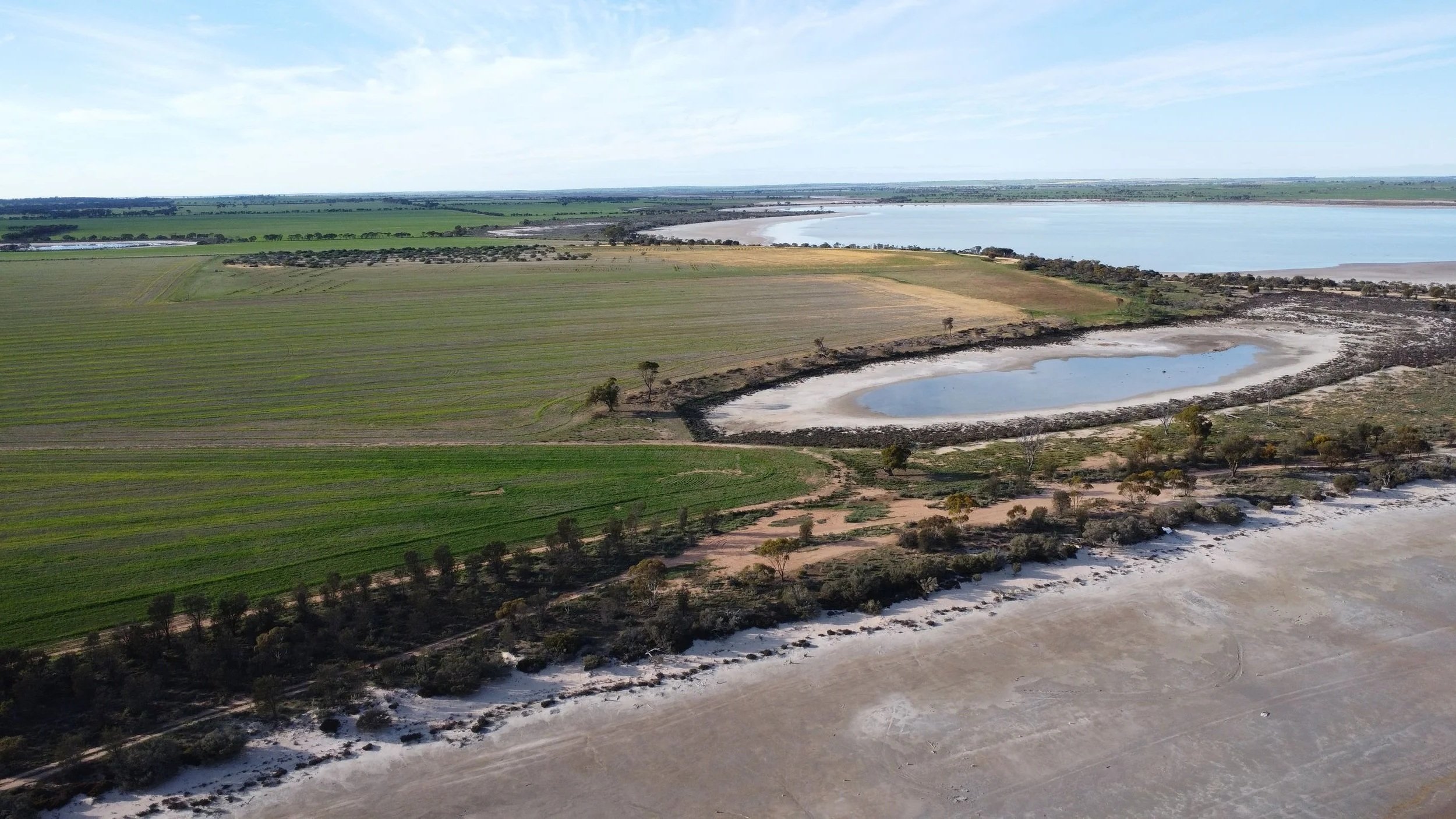
Emerging from dry eastern woodlands, Goguljar Bilya (the Avon River) delivers run-off from the 12 million ha of the Avon River Basin (ARB), through a massive network of waterways and salt lakes to the Indian Ocean.
2027 - 2032
The Regional NRM Plan for the Avon River Basin was developed in 2026 and was created as a more in-depth review of the 2013 strategy. The Plan sets out to guide the future understanding and priorities for the management of the natural resources across the Avon River Basin.
It builds on 20 years of natural resource management activities in the region to meet the vision of “A healthy environment that has a viable agricultural industry and retains a strong sense of place.”
The role of the Regional NRM Plan is to set broad priorities and establish a framework for informing investment in the region.
The role of the Regional NRM Plan is to set broad priorities and establish a framework for informing investment in the region. Community members are encouraged to reference this document when looking to progress natural resource management activities.
Download the Regional NRM Plan
Differences in landscape, communities, land use and climate across the region shape local challenges and inform how they are best addressed. These areas share the projected impacts of climate change, including declining winter rainfall, rising temperatures, more frequent hot days, reduced runoff into waterways and dams, and increasingly severe droughts punctuated by extreme events such as floods and bushfires.
More details will be made available regarding the regions and five themes. Check back during the end of November more information.
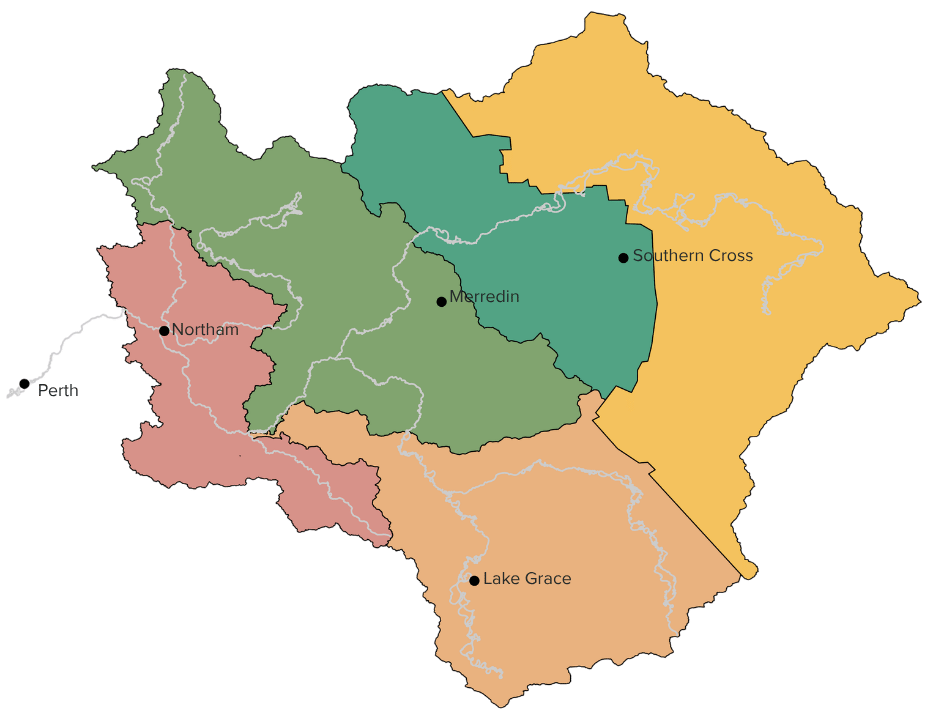
Five sub-regions, Five different stories
-
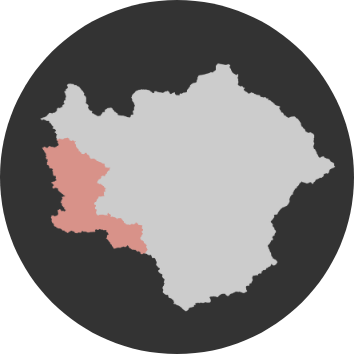
![Avon Arc]()
Avon Arc
Whadjuk and Ballardong Noongar country
Mostly undulating hills on granite and metamorphic rock, with streams that flow in most years, contains the Avon River and major tributaries. Smaller pockets of ancient, flatter plain country, including old salt lake remnants, occur to the south.
-
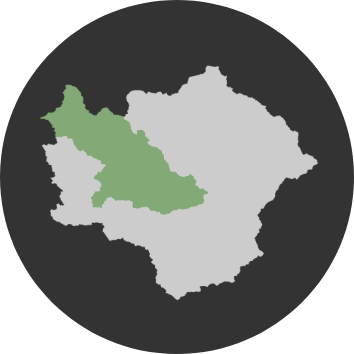
![Great Western Woodland]()
Great Western Woodland
Njaki Njaki and Wongatha country
Mostly sandplain country on granite and greenstone rock, with salt lakes scattered throughout and pockets of hillier greenstone country with notable banded ironstone and granite inselbergs.
-
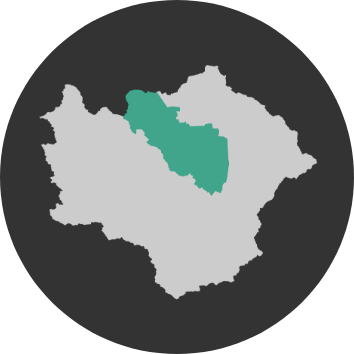
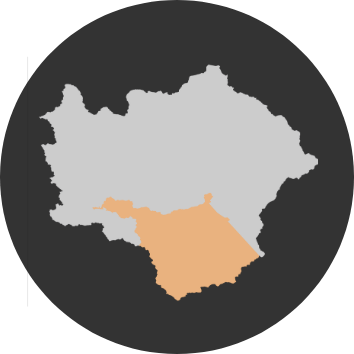
![Central Wheatbelt]()
Central Wheatbelt
Ballardong Noongar country
An almost entirely flat, ancient landscape on weathered granite, with no connected drainage system and old salt lake chains running through it. Soils are sandy, with a laterite (ironstone-like) capping.
-
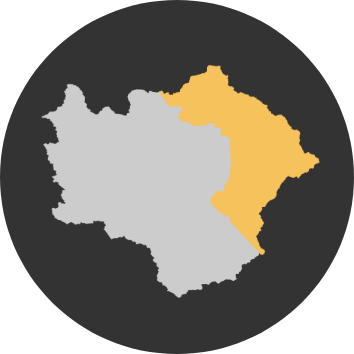
![Eastern Wheatbelt]()
Eastern Wheatbelt
Njaki Njaki Noongar country
A mix of two ancient landscapes: sandplains with granite outcrops, and a flatter ancient plain, both carrying salt lakes as remnants of old drainage systems.
-
![Southern Wheatbelt]()
Southern Wheatbelt
Goreng and Ballardong Noongar country
Dominated by an ancient plain, duplex and sandy soils with salt lake chains running through the main valleys, sitting on weathered granite country.

Ecosystem health and native species

Water

Soil

Capacity to act

Traditional Ecological Knowledge
Ecosystem health and native species
Five themes, one system
This Plan is organised around five themes: ecosystem health and native species, water, soil, capacity to act, and Traditional Ecological Knowledge (TEK). These themes emerged from the consultation and align with what matters for the long-term health of the ARB. They are not separate problems but inter-linked, managing all of them depends on people having the capacity to act.
Each theme then shows how it is tracking, based on the best available data from TERN's annual environment reporting, expert review and existing monitoring programs, and sets out what we should do in each sub-region. The priorities can't all be addressed at once: resources are finite, conditions are changing, and capacity to act varies across the region.