
Rip It, Spray It, Protect It - Autumn Action for Winter Planting
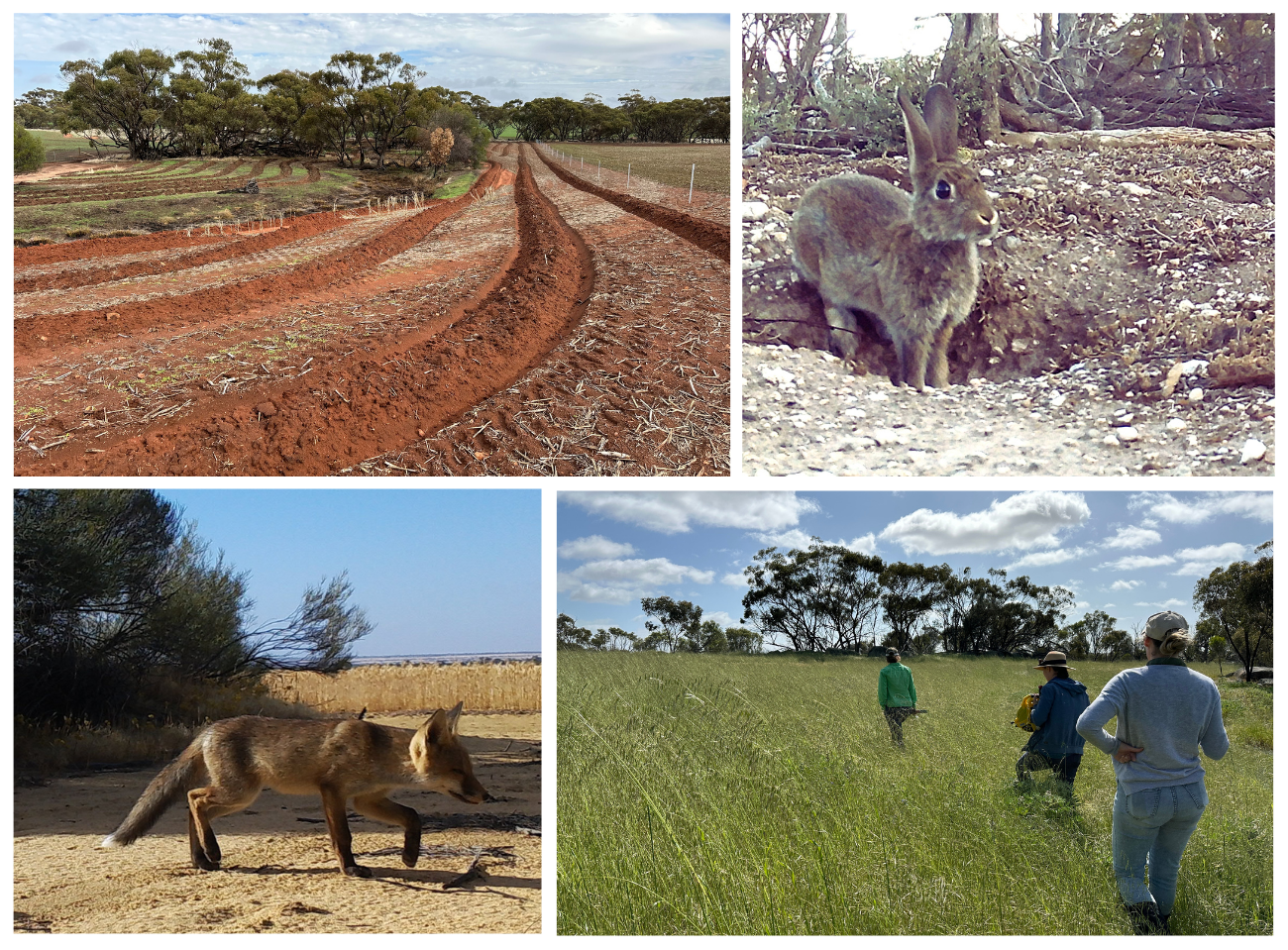
Getting ready to revegetate? Start with the groundwork.
If you’re thinking about planting this winter (or even next year), now’s the time to get your site ready.
A successful revegetation project doesn’t start on planting day; it starts months earlier with good preparation. By planning early, you can make the difference between seedlings that struggle and seedlings that take off.
Step 1: Know your patch
Every property is different. Take a close look at the area you’re planning to revegetate.
Is the soil sandy? Does it sit wet over winter? Are there signs of salinity? Those factors will guide how you prepare the site and where you position seedlings in rip lines or mounds.
Most sites in the Avon Valley benefit from deep ripping (around 30-50cm) along contour lines. Ripping helps water soak in, improves aeration and gives roots access to deeper moisture. On saline or waterlogged country, mounding is usually the better option. Deep sands and cracking clays are the exception and they’re generally best left unripped.
When it comes to species selection, stick with plants that naturally occur in your part of WA. Locally endemic species are adapted to your conditions and support the wider ecosystem; these range from soil microbes right through to birds and mammals.
Step 2: Get on top of weeds early
Autumn rains mean weeds are up and growing which makes it a good time to act.
If you’re planting tube stock, aim for at least two spray rounds before planting (ideally starting 12 months out). Direct seeding sites often need control over several seasons.
After planting, keep a 1-metre weed-free buffer around each seedling for at least the first couple of years. It’s one of the simplest ways to improve seedling survival and growth rates by removing competition from weeds.
Step 3: Deal with rabbits before you plant
Rabbits can wipe out young seedlings almost overnight, as they browse, dig and create bare ground that invites more weeds in.
The key to controlling rabbits is to use a mix of methods. That might include:
1080 baiting (most effective in summer when feed is scarce)
Calicivirus in autumn or late spring
Fumigation
Warren and harbour destruction
Shooting
Start rabbit control before planting and keep monitoring afterwards. It’s much easier to prevent damage from rabbits than to replant.
Step 4: Don’t forget foxes!
It’s important to think one step ahead.
When rabbit numbers drop because of control, foxes don’t just disappear, they often switch to native wildlife as prey. If your goal is to rebuild habitat and help native wildlife, integrated fox control helps protect the species you’re working to support.
1080 baiting (commonly in autumn and spring), trapping, and shooting can all form part of the program. Managing rabbits and foxes together leads to better long-term outcomes for your site.
Step 5: Protect your investment
Weeds and pest animals are persistent. The first two years after planting are critical, so keep an eye on your site and act early if issues pop up.
Revegetation is a long game but if it’s done well, it improves shelter, biodiversity, erosion control, and the overall resilience of your property.
We can support you!
Wheatbelt Natural Resource Management is running two projects* that offer significant funding and logistical support for eligible landholders in the Avon River Basin to assist with:
Revegetation
Weed control
Pest animal control
Stock exclusion fencing
Monitoring
Installation of black cockatoo nest boxes and Chuditch dens in suitable habitat
Conservation planning
These projects help protect the Eucalypt Woodlands of the WA Wheatbelt and improve habitat for species like Carnaby’s Black-Cockatoo and Chuditch.
If you’re planning a planting project or even just thinking about one, get in touch. We’re always keen to support practical, on-ground action across the Avon Valley.
Check out our project guidelines and application forms on the Wheatbelt NRM website or email our Project Delivery Officer, Cenyce Vincent for more information.
*these projects are funded by the Australian Government Natural Heritage Trust and delivered by Wheatbelt NRM, a member of the Regional Delivery Partners panel.
Published eNews #412, March 2026