
On the Road to Woolorama and Talking About the Green Sheep Project
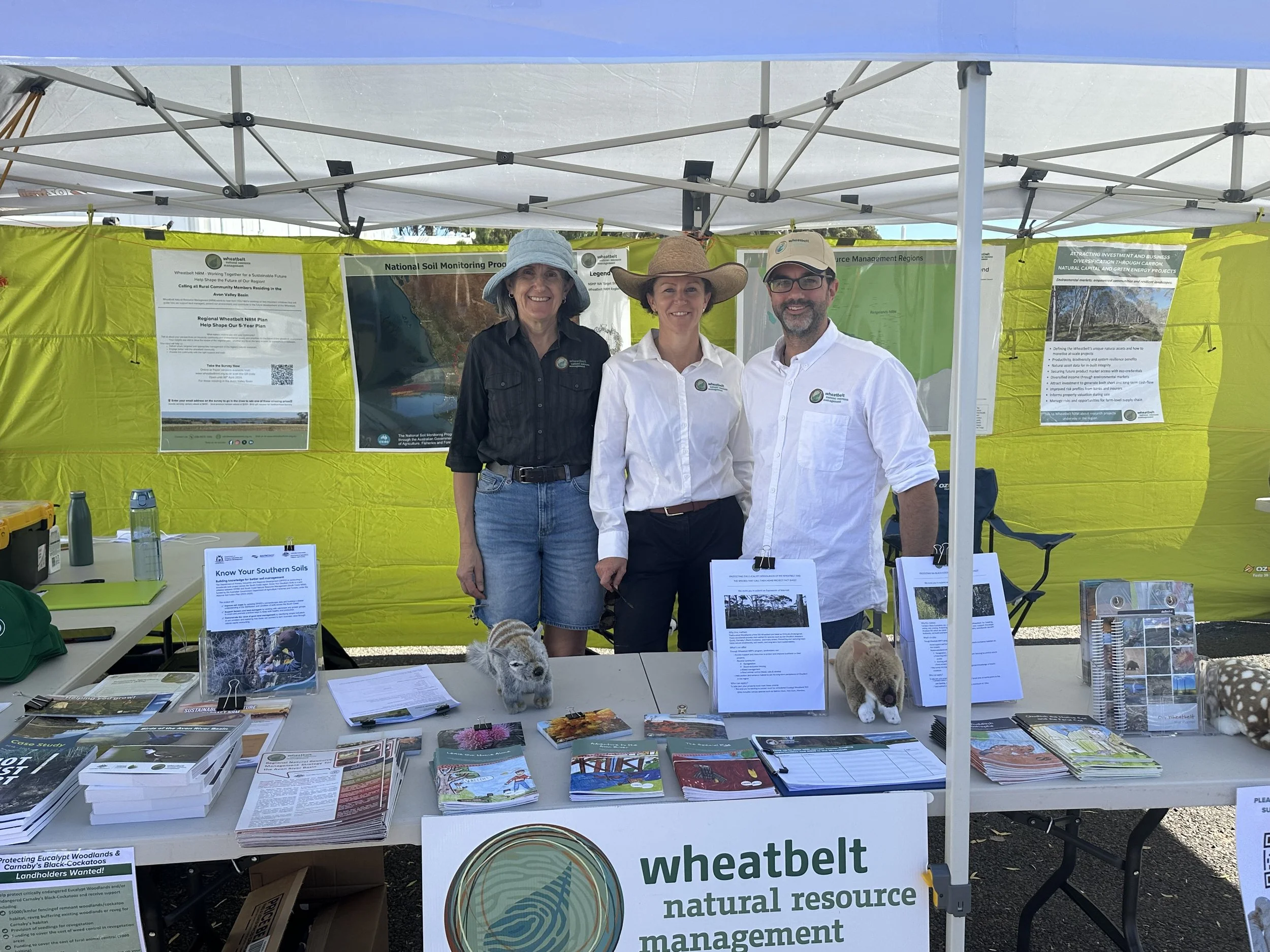
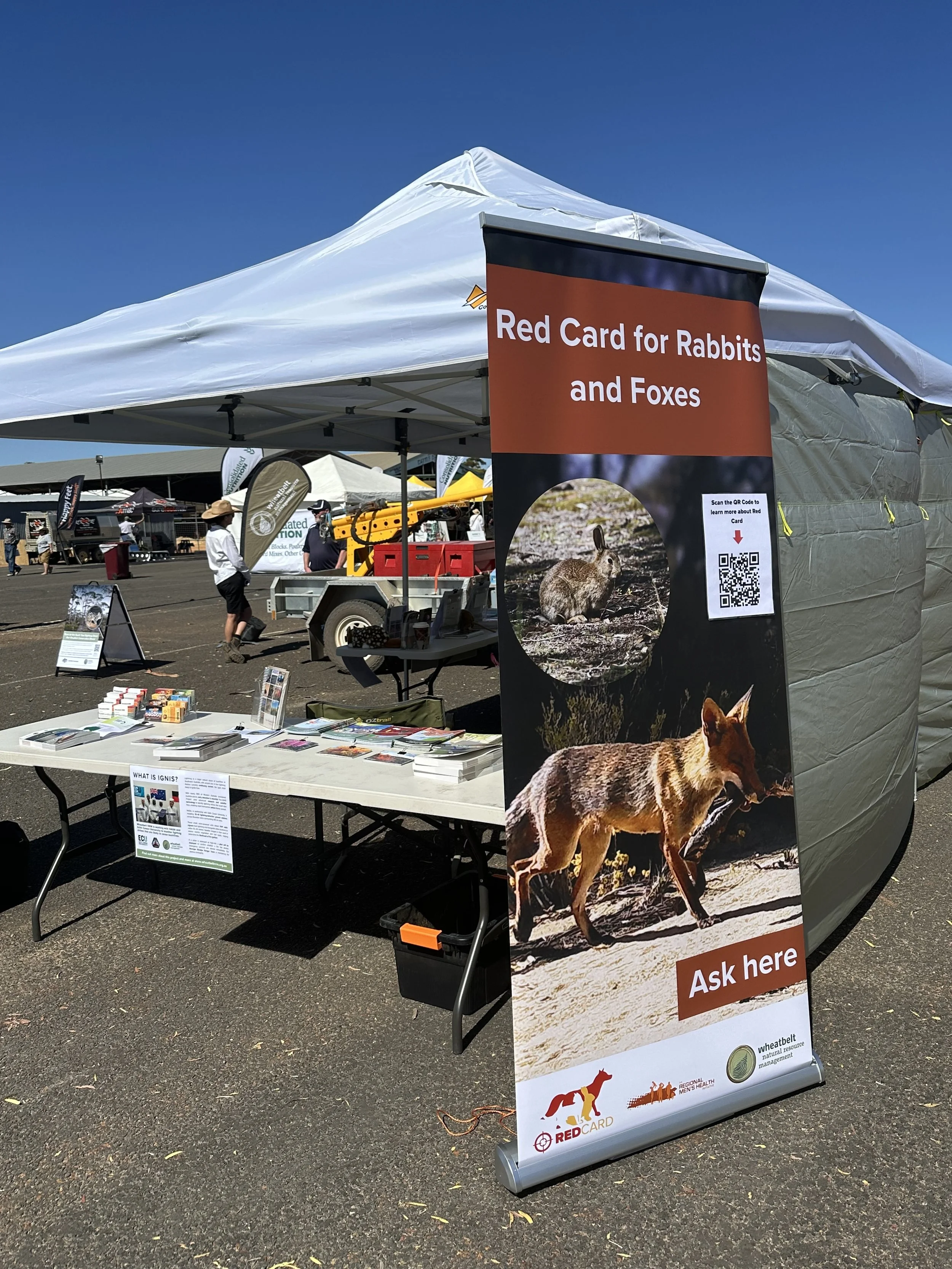
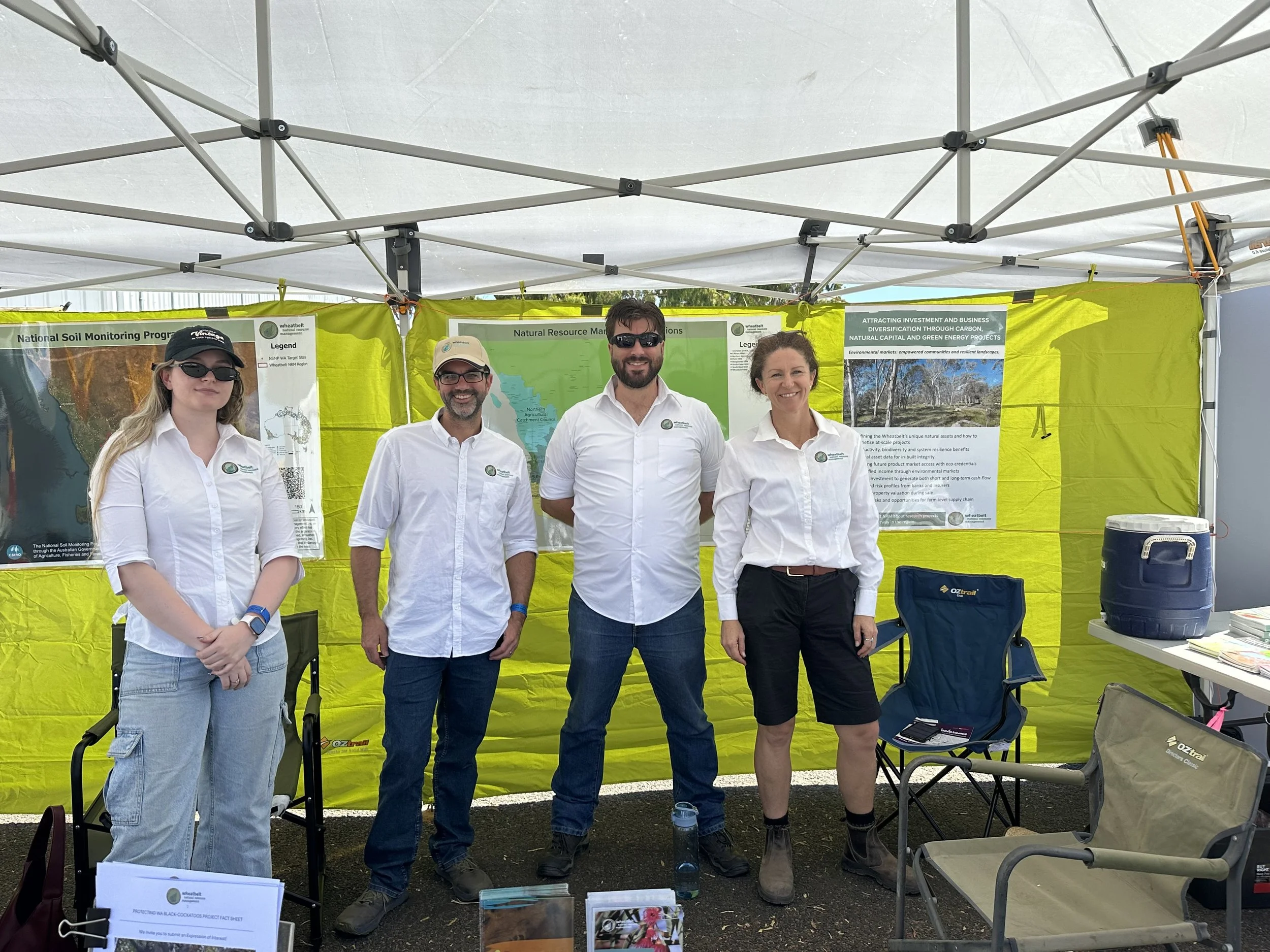
This March, Wheatbelt NRM took to the road, heading to Wagin Woolorama – the largest Agricultural Show in WA outside of the metro area.
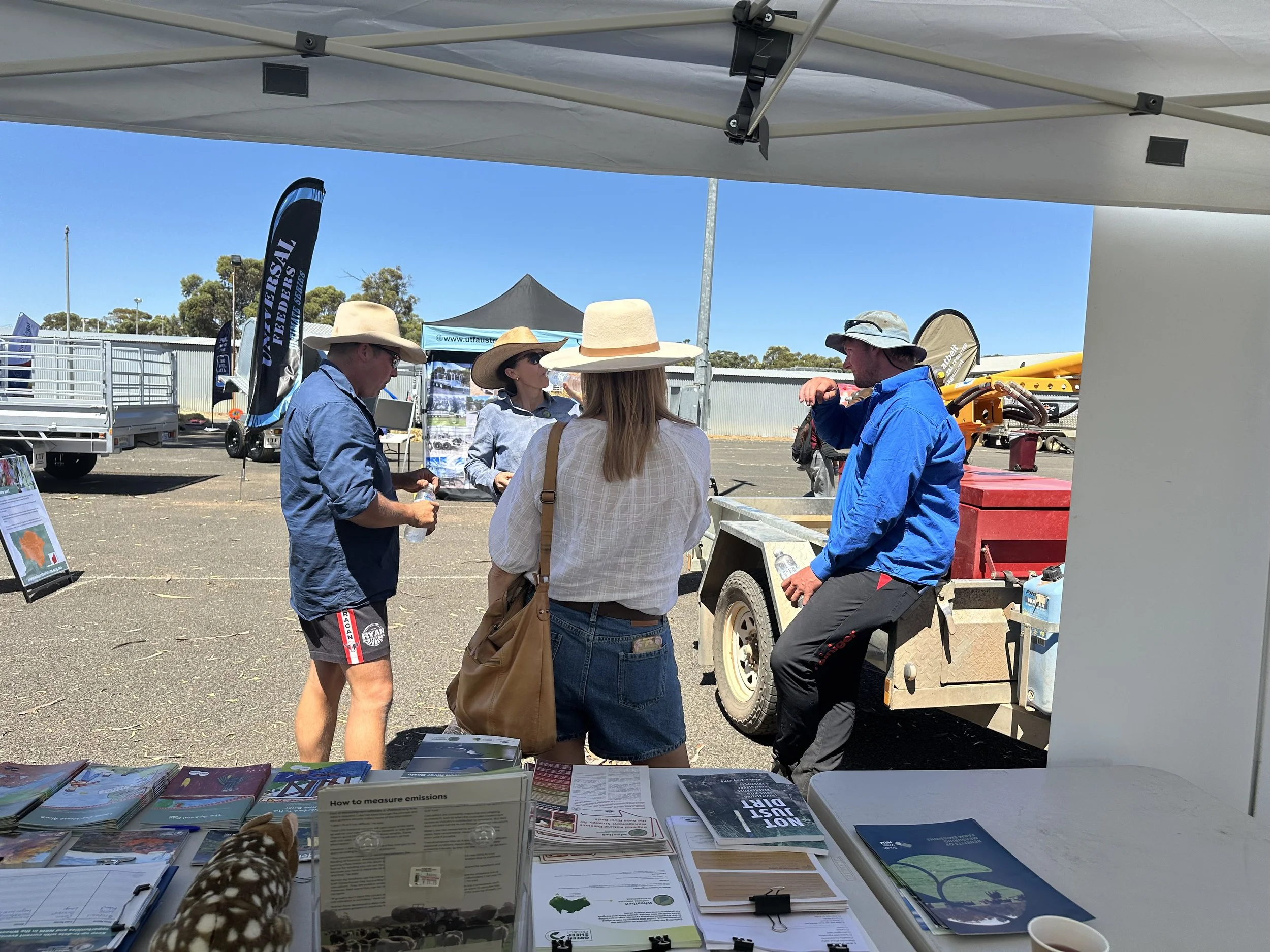
With our team of Sam, Renata, Alex, Cenyce, Paige, Karen and Aimee, we spent two full days speaking with landholders, locals and stakeholders about our Healthy Environments and Sustainable Agriculture projects. We also showcased the soil corer used in the National Soil Monitoring Program and handed out calendars, postcards and children’s books (which were a huge hit)!
Being there in person gave us a valuable opportunity to listen, connect and engage with the community. We heard what matters most to families and landholders and were able to share insights into the work we do across the region. These meaningful conversations help us improve environmental outcomes and ensure our landscapes can continue to function and thrive.
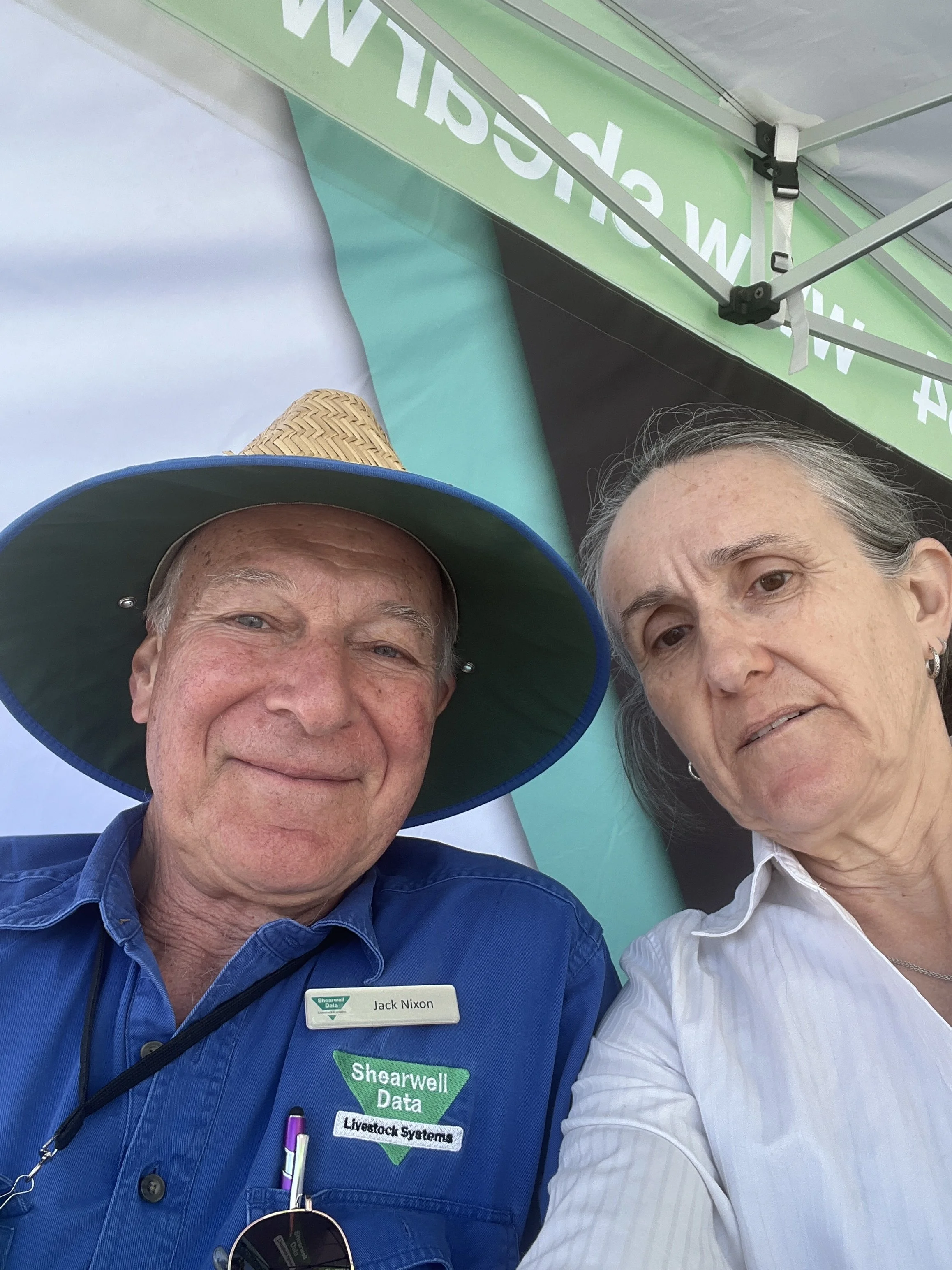
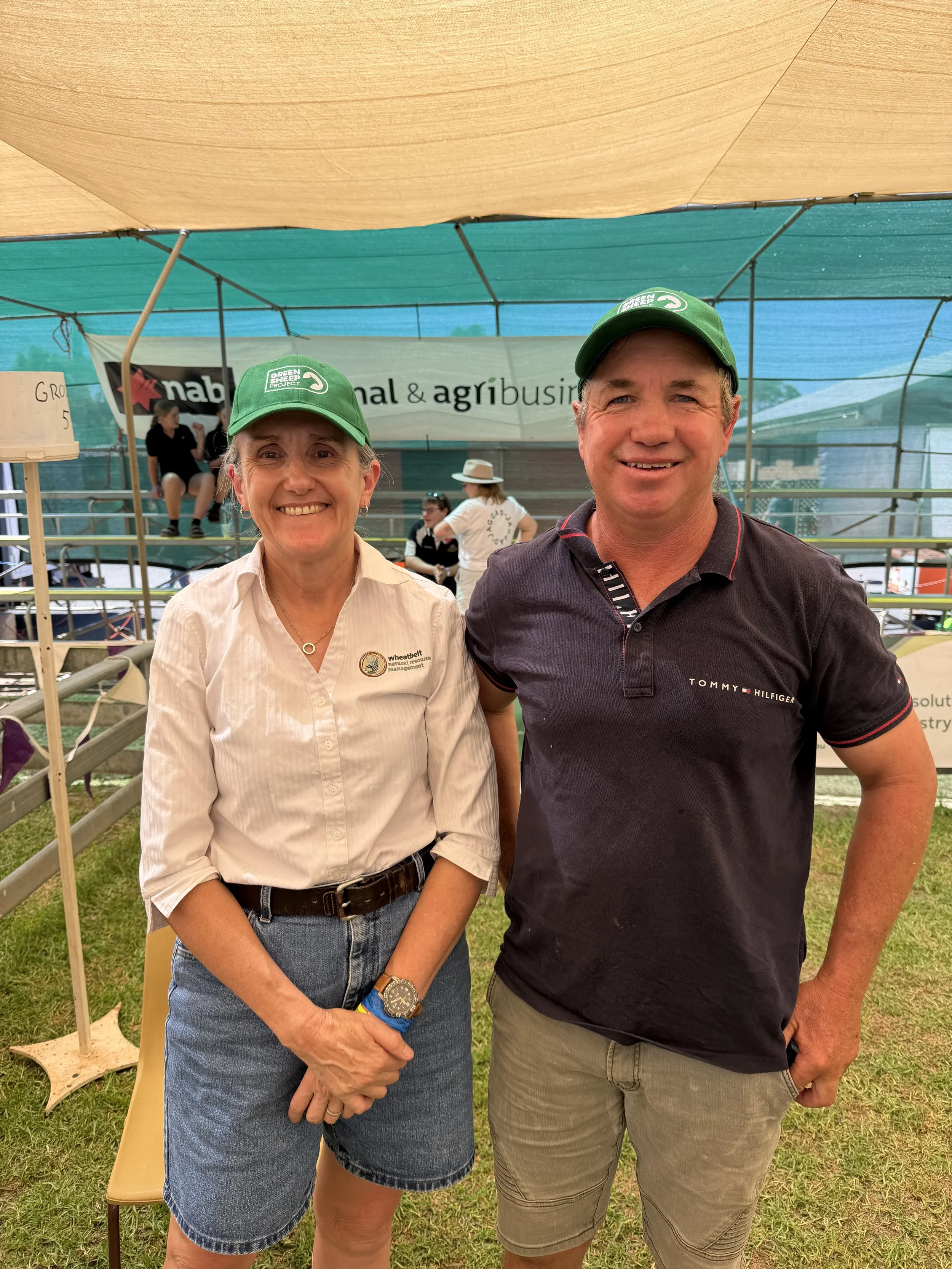
Renata, our CEO, also caught up with Stud Merino Breeders Association of WA President, Grantly Mullan at Wagin, to discuss the Green Sheep Project.
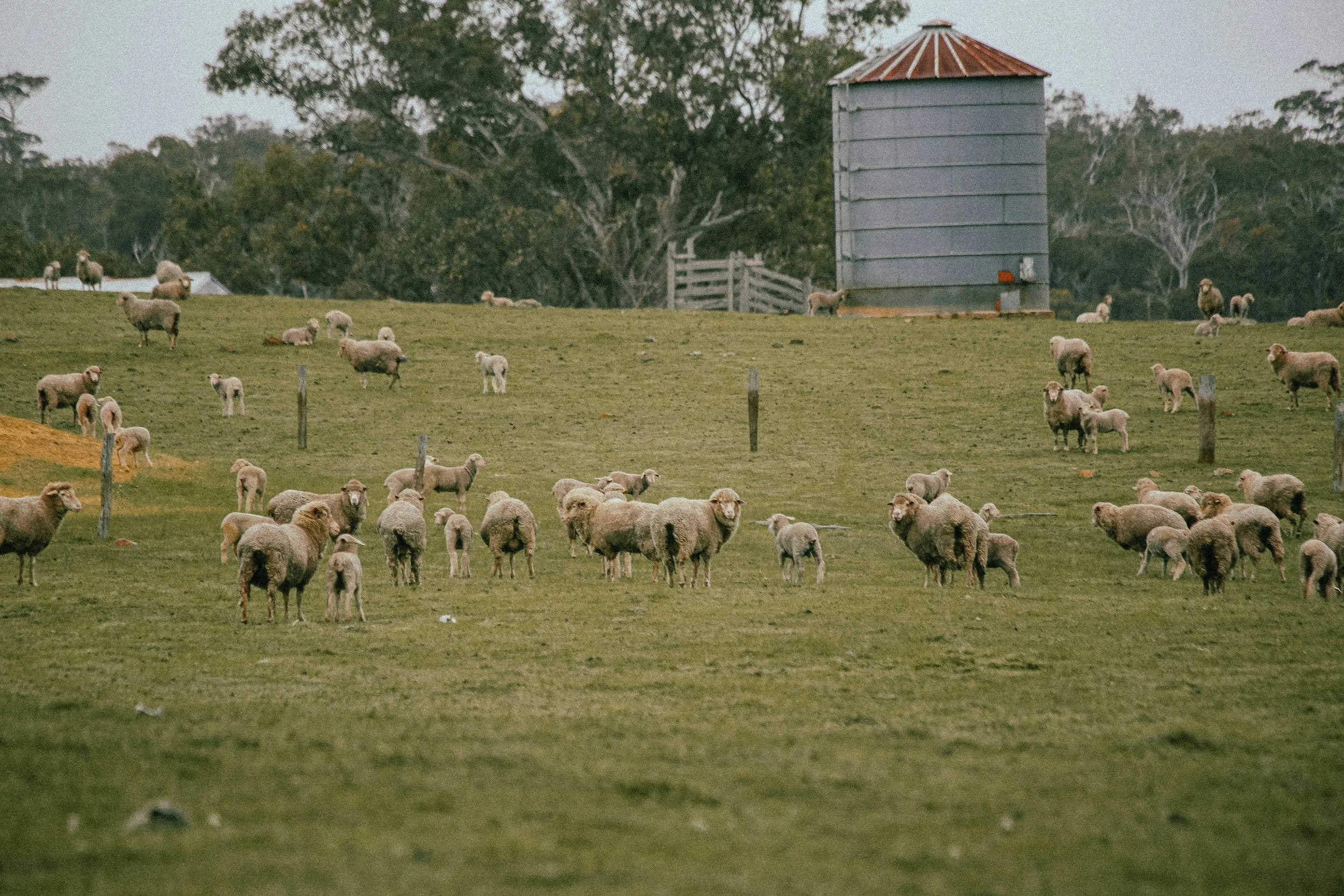
The Green Sheep Project is an exciting national initiative spanning four NRM groups, including Wheatbelt NRM. Managed by Sheep Producers Australia and supported by Meat & Livestock Australia and Australian Wool Innovation, the project will work with sheep producers, wool growers, croppers, mixed-farming enterprises across the Wheatbelt.
In WA, the project aims to understand, demonstrate and measure the environmental, social and economic role of sheep with Wheatbelt farming systems. This begins with a desktop assessment followed by on-farm demonstrations.
This project will help producers understand how their on-farm data aligns with market and processor ESG expectations, strengthen confidence in natural capital reporting tools, highlight the connection between landscape stewardship and commercial opportunity, and show the true environmental impact and value of sheep in the Wheatbelt systems.
The Green Sheep Project is supported by the Australian Government through the Climate-Smart Agriculture Program under the Natural Heritage Trust.
If you would like to learn more about the Green Sheep Project, please contact us.
Published eNews #412, March 2026