
Supporting Carnaby’s Black Cockatoos, One Hollow at a Time
Creating safe places to nest is one of the most practical ways we can support WA’s threatened black cockatoos into the future.
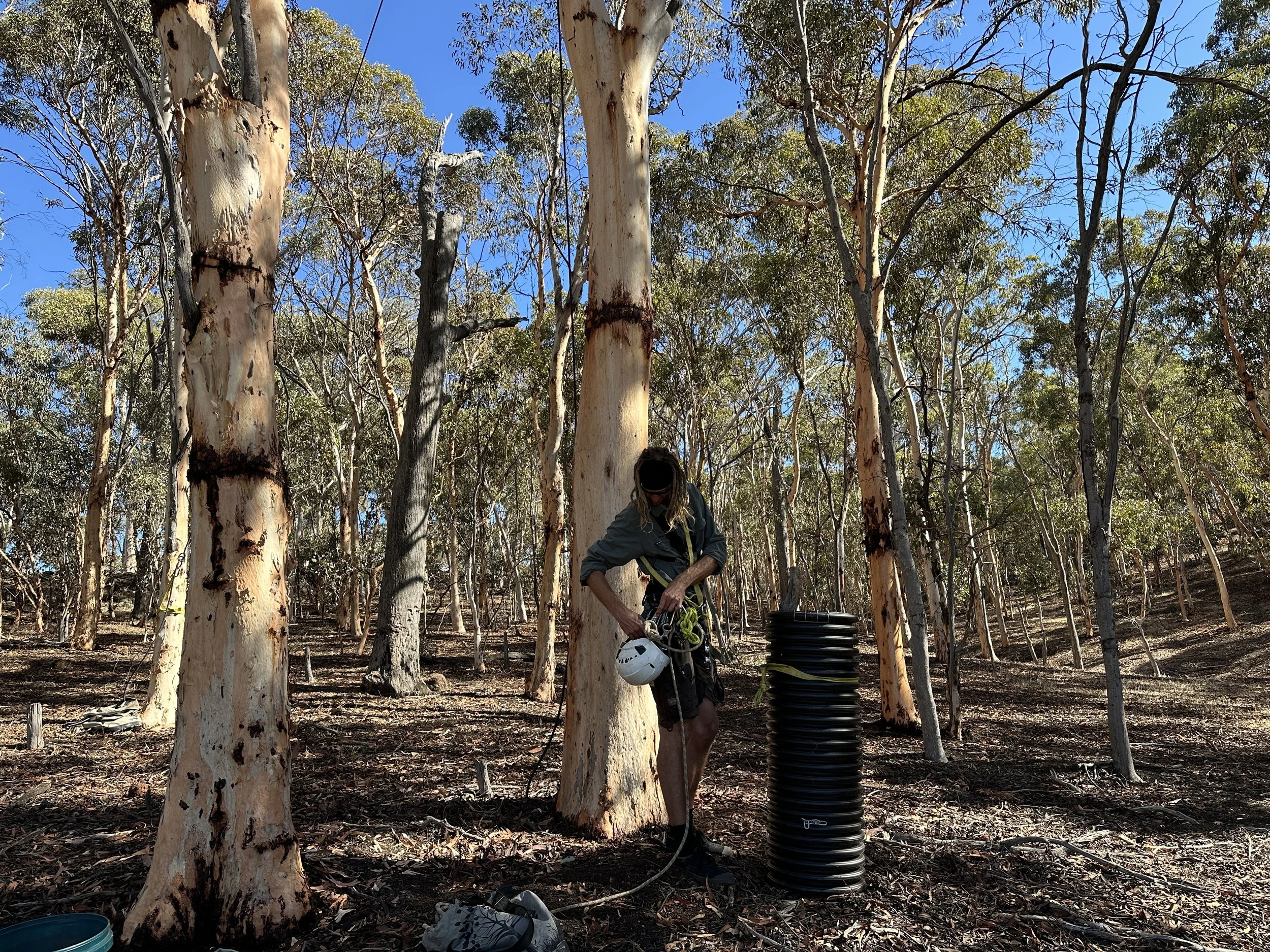
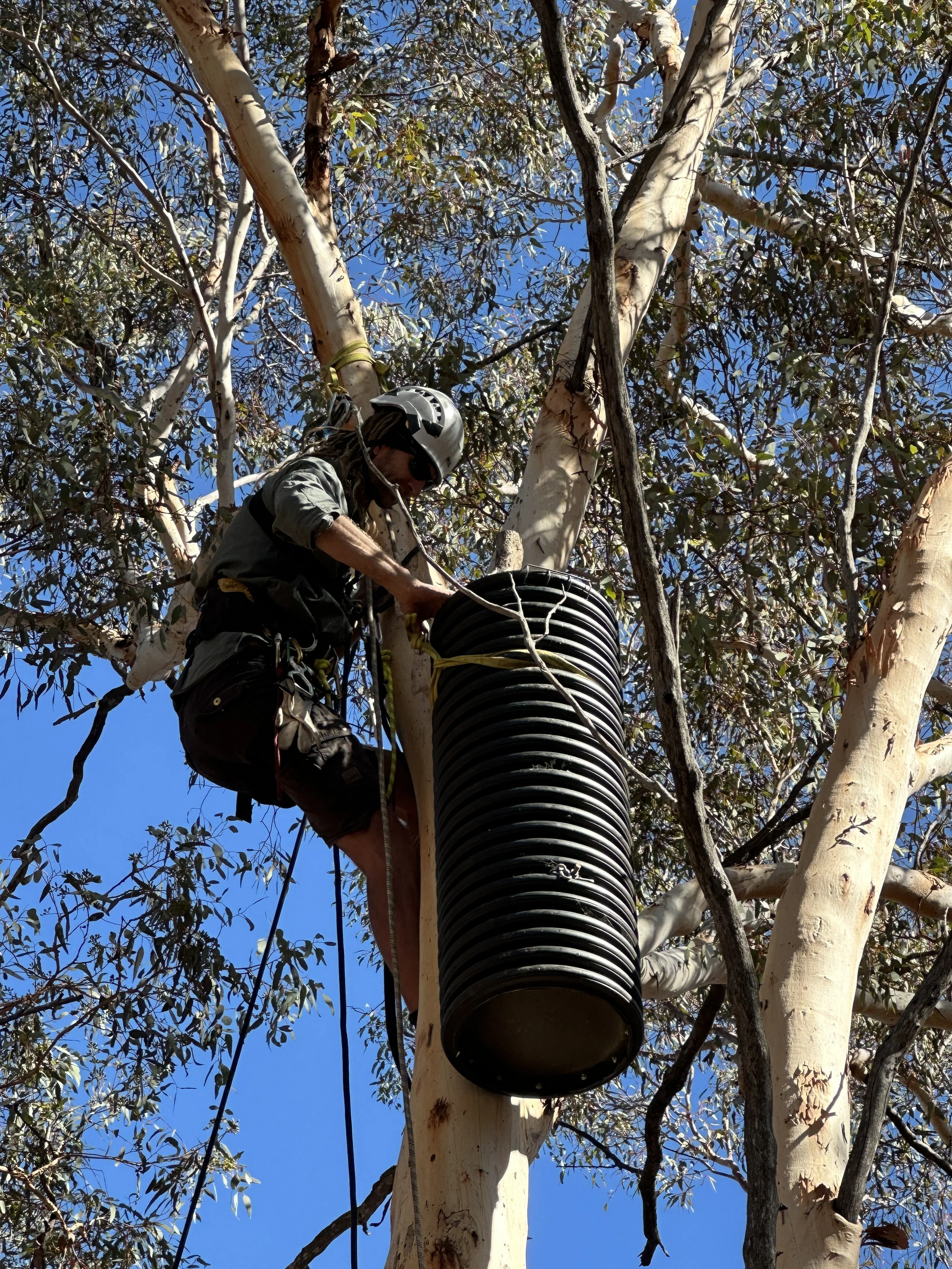
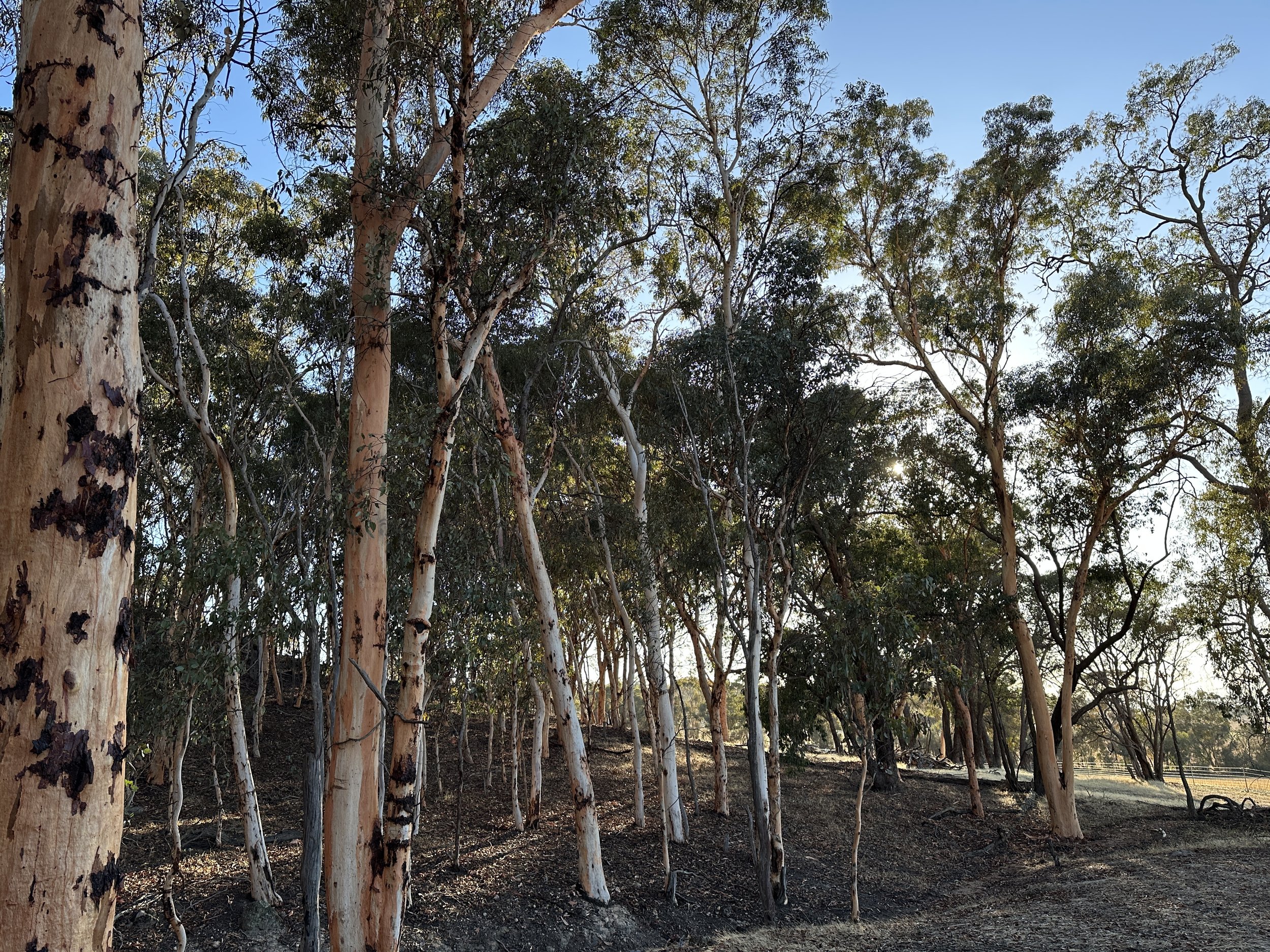
As part of Wheatbelt NRM’s Protecting WA Black-Cockatoos project, we recently installed eight artificial nesting tubes across multiple project areas to help address the shortage of suitable breeding habitat in the region. Wheatbelt NRM’S Healthy Environment project delivery officers Cenyce Vincent and Karen Carter worked with Simon Cherriman from The Re-Cyc-Ology Project to install the tubes over two days in April. Spread across properties of landholders in Dale, Talbot and Kulin who have partnered with Wheatbelt NRM, these nesting tube installations are a positive step toward improving habitat availability and supporting black cockatoos where natural nesting options are limited.
Carnaby’s black cockatoos (Zanda latirostris) are long-lived birds that form strong pair bonds and mate for life. As a slow-breeding species, population recovery takes time. Black cockatoo numbers continue to decline largely due to habitat loss and fragmentation, particularly the loss of large trees containing hollows required for breeding. This loss has increased competition for the remaining nesting sites from other species.
Natural hollows of sufficient size for cockatoos often take more than a century to form in mature eucalypts, and so there is no quick fix for creating nesting sites for this species. That is where artificial nesting tubes can help. While they are not a replacement for mature hollow-bearing trees, they can provide valuable supplementary nesting sites in the right locations. By increasing the number of available nesting spaces, these tubes help restore breeding opportunities and support black cockatoos in such a vitally important stage of their life cycle. Every opportunity to nest and raise young matters.
The artificial nesting tubes we installed were based on standard cockatoo tube designs but modified to improve functionality and made them more practical to install across a range of sites. The modified design also took consideration of non-target species into account, allowing non-target species to more easily leave and enter.
Care was also taken to ensure the tubes sat as naturally as possible within the landscape with minimal impact. Suitable trees were selected based on what would appeal to cockatoos, including tall, straight trees with forks that could support installation. Rather than using bolts to secure them directly into the trunks, the tubes were secured using chain link within the fork of the tree, helping reduce long-term damage to the tree. By placing the tubes across multiple project areas, WNRM is helping build breeding habitat at a broader scale. The location of each installed nesting tube was recorded and will be shared with Birdlife Australia and the DBCA, helping to support continued monitoring and longer-term value of the rollout.
This is also not a one-off action, for the life of the project, WNRM will monitor these tubes and track activity within to better understand how the tubes are being used. In addition, more installations are planned next year. Through protecting WA’s black cockatoos, WNRM is turning conservation into action, helping create safer nesting opportunities, strengthening habitat across project areas and supporting black cockatoos where it matters the most.
Want to get involved?
If you are a landholder with areas of remnant vegetation and are interested in supporting black cockatoo conservation or the protection of threatened ecological communities (TECs), there are many ways you can help. Protecting remnant vegetation, participating in feral animal control and restoring habitat can all contribute to healthier ecosystems and lead to better outcomes for native wildlife. Wheatbelt NRM can offer significant logistical support and funding for landholders who wish to undertake:
Stock exclusion fencing
Revegetation
Weed control
Feral control
Habitat augmentation
Wheatbelt NRM works with landholders and the community to deliver practical on-ground action across the region. If you’d like to get involved read through our guidelines for our Protecting WA Black-Cockatoos project, complete our expression of interest form or contact Project Delivery Officer Cenyce Vincent for more information.
If you are eligible for our projects and want to make a difference, we would love to hear from you!
This project is funded by the Australian Government’s Natural Heritage Trust and delivered by Wheatbelt NRM, a member of the Regional Delivery Partners panel.
Published eNews #414, May 2026