
Could Wheatbelt crop residues become tomorrow’s low-carbon, sovereign fuels?
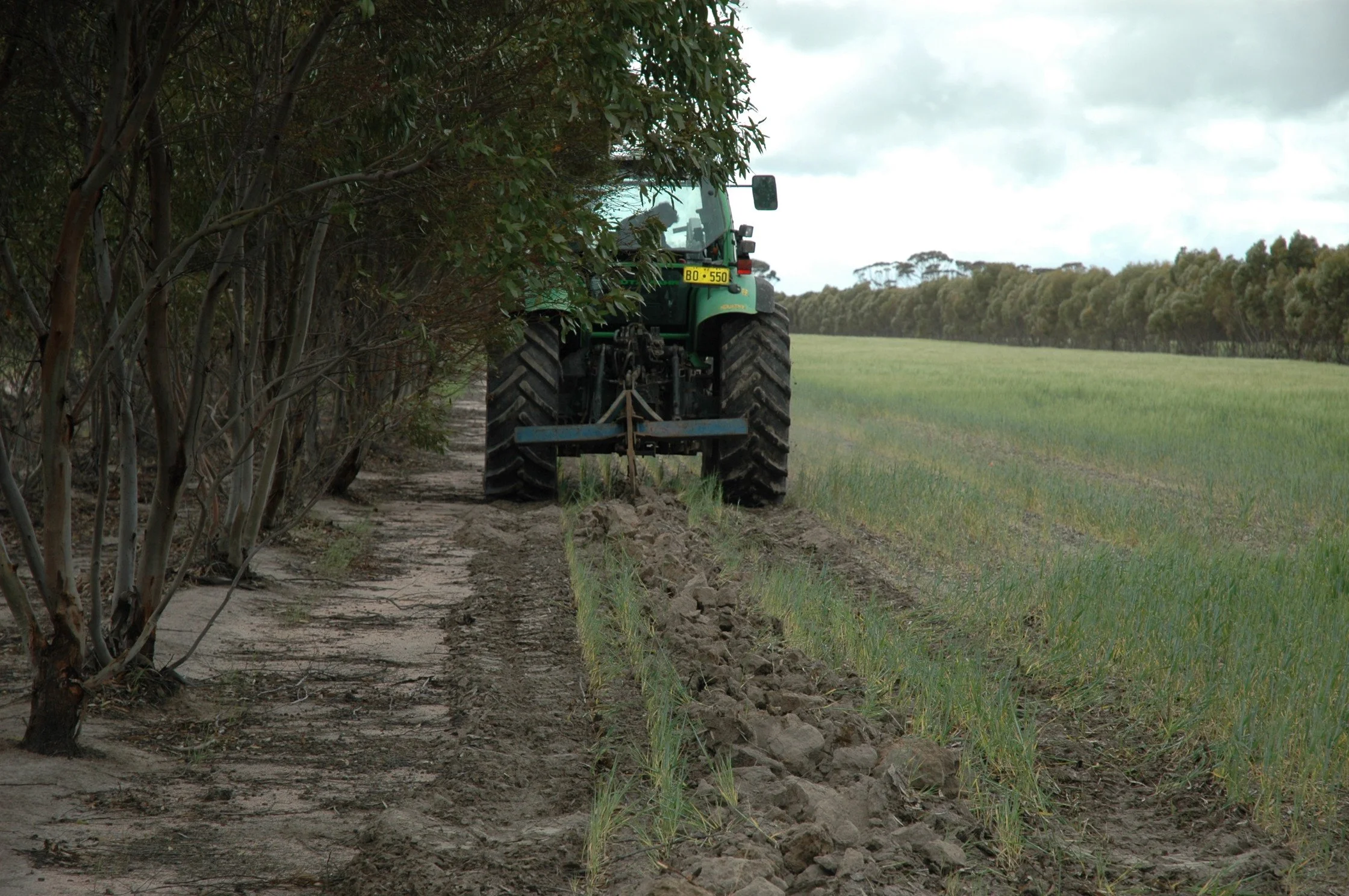
In the pursuit of lowering emissions, growing industry and securing domestic supplies of energy and fuel, the federal and state governments and industry are investing billions of dollars into advanced biofuels and sustainable aviation fuel (SAF). While Western Australia is still developing its strategy, the opportunity for Wheatbelt agriculture is becoming increasingly clear.
Bioresources are the renewable, organic materials (i.e. biomass) that have been identified as appropriate for the generation of bioenergy and the production of low-carbon liquid fuels (LCLF).
LCLF, such as renewable diesel, are derived from bioresources that have lower whole-of-life emissions and can typically be “drop-in” replacements, meaning we can blend them into existing fuel sources or use them directly in modern engines without engine modification. These advanced biofuels utilise agricultural residues and other biomass,including wheat and barley stubble, canola, oil mallees and woody biomass,to produce renewable diesel, sustainable aviation fuel and other low-carbon products.
What’s Happening Across Australia
The Australian Government is investing heavily through its $1.1 billion Cleaner Fuels Program and the National Bioenergy Feedstock Strategy, both designed to encourage domestic production of low-carbon liquid fuels while creating new markets for agricultural biomass.
At the state level, Queensland is currently leading the nation, with several major refineries under development worth hundreds of millions of dollars. New South Wales has committed more than $300 million towards renewable fuel production and manufacturing and has some of the most supportive strategy and policy in the area, while Victoria is investing in refinery upgrades and renewable fuel trials.
Western Australia is taking important early steps through its Advanced Biofuels Strategy, which is examining how the state's abundant agricultural biomass can support a future low-carbon fuels industry. Importantly for Wheatbelt producers, cereal stubble, canola and mallee biomass have all been identified as priority feedstocks.
Western Australia is uniquely placed to become a major producer of renewable diesel and sustainable aviation fuel. Across the state our farmers already grow millions of tonnes of biomass each year through grain production, with wheat and barley stubble, canola, oil mallees and plantation timber all identified as suitable feedstocks for advanced biofuels. Unlike some other states, WA also has large industrial customers,including mining, heavy transport, shipping and aviation, whichare actively seeking lower-emission fuel alternatives. This industry and the extent of our freight network makes Western Australia the largest consumer of diesel among the states, consuming over 8 billion litres per year.
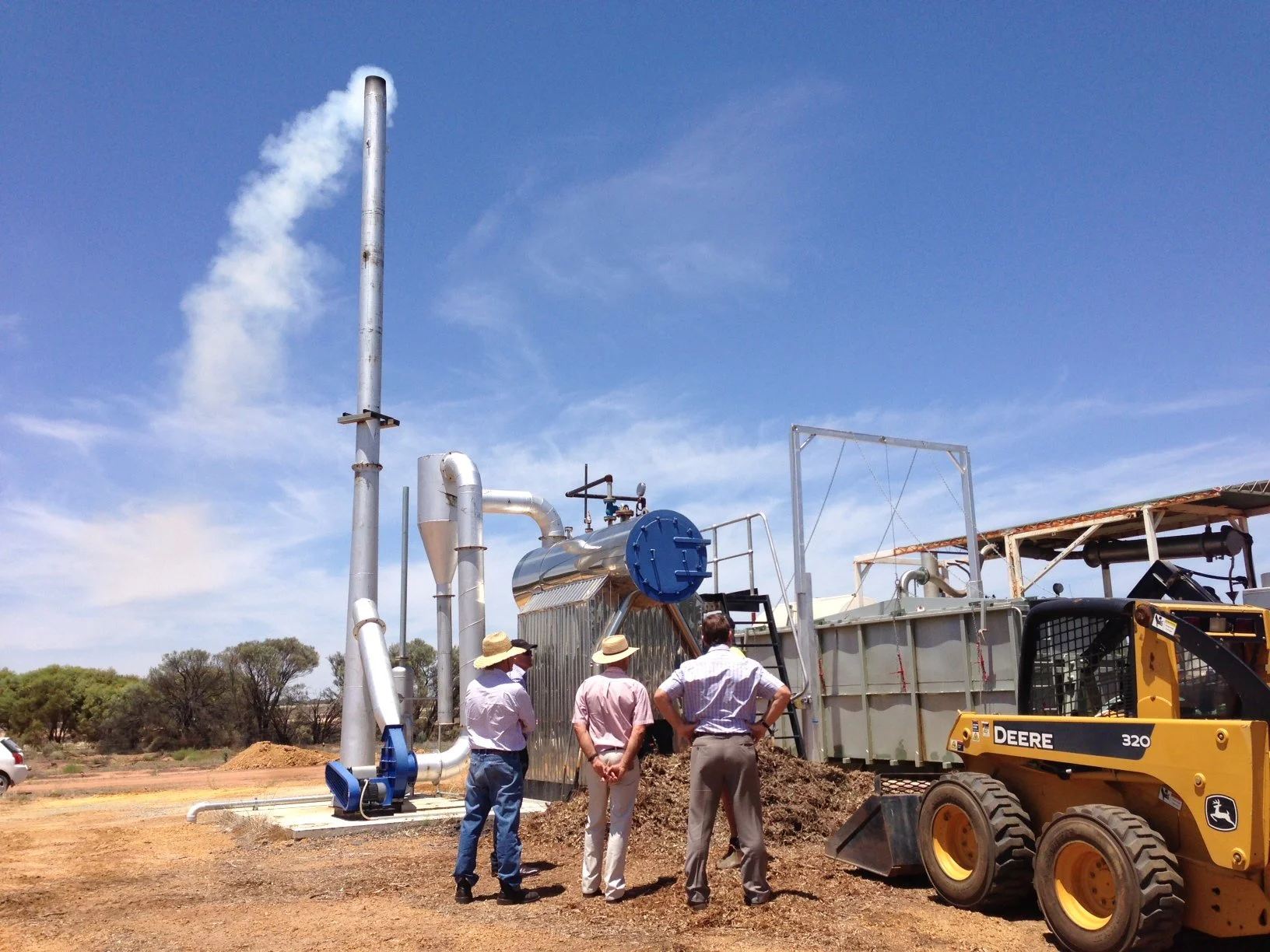
Oil Mallee Distillery Boil - Photo credit: Wheatbelt NRM
Recognising this opportunity, the Cook Government has committed $1.2 million to develop Western Australia's Advanced Biofuels Strategy under the Made in WA Plan. Agriculture and Food Minister Jackie Jarvis said the strategy is intended to attract investment, improve fuel security, create regional jobs and help build an entirely new industry based on WA biomass resources. Premier Roger Cook has promoted advanced biofuels as part of the State's broader manufacturing and economic diversification agenda.
The Department of Primary Industries and Regional Development is now leading the strategy, assessing feedstock availability, supply chains, refinery locations and technology pathways needed to establish a commercially viable biofuels industry. Importantly, the work is looking beyond simply producing biomass and towards developing regional biorefineries that could manufacture renewable diesel and sustainable aviation fuel here in Western Australia.
There is some ‘boots-on-the-ground’ action across the state. At Kwinana, developers are progressing plans for a renewable fuels refinery capable of producing sustainable aviation fuel and renewable diesel using locally sourced feedstocks, positioning the industrial precinct as one of Australia's potential clean-fuel manufacturing hubs. Further south, Australian company Renewable.Bio is expanding its biodiesel production facility in Esperance, with ambitions to significantly increase production over coming years. These projects and others demonstrate that regional WA already has businesses investing in renewable fuel manufacturing and highlights the potential for agricultural regions to become part of future fuel supply chains.
At the same time, major investments in Queensland and New South Wales are moving rapidly from planning into construction. If those refineries come online before WA develops similar processing capacity, they will require enormous volumes of biomass feedstock. And this leads us to ask:
What could this mean for Wheatbelt farmers?
While the commercial markets are still emerging, just this year the direction has become clearer.
Potential opportunities include:
Creating additional value from cereal stubble and an increase in domestic demand (90%+ of WA Canola and 70-80% of national production is exported)
New long-term demand for canola as a renewable fuel feedstock
Renewed commercial interest in oil mallee plantings that can deliver environmental benefits alongside biomass production
Additional farm income streams that complement existing grain enterprises
Participation in emerging carbon and environmental markets linked to biomass production
It's important to note that commercial supply contracts and established pricing mechanisms are not yet in place. Most current activity remains focused on strategy development, feasibility studies and pilot projects. However, producers who understand these developments now will be well positioned as the industry matures in the coming years.
Without local refining capacity, WA could find itself exporting increasing volumes of agricultural biomass interstate for processing, which would then be either bought back as an end-product or exported, increasing competition and prices for WA residents. While growers may still benefit from these new markets, much of the long-term value,including manufacturing, skilled employment, regional investment and downstream industries,would be created outside of Western Australia. Developing the complete supply chain within WA would allow more of that economic value to remain in regional communities while strengthening Australia's fuel security and supporting the State's transition to lower-emission transport and industry.
The opportunity is significant but so is the timing. The decisions made over the next few years will help determine whether Western Australia becomes a leader in renewable fuel manufacturing, or primarily a supplier of raw biomass to processing plants in other states.
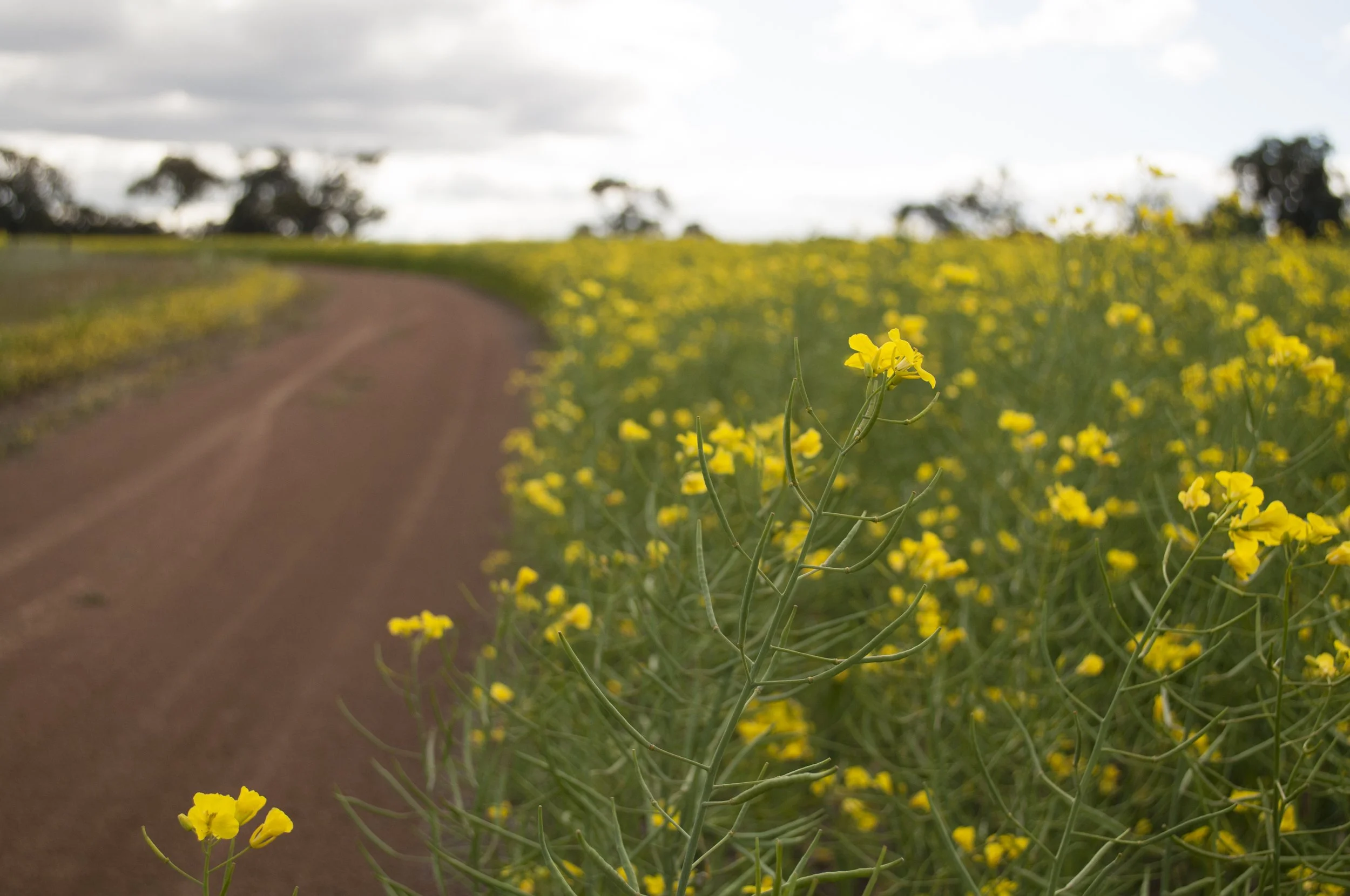
Canola in flower. Already used for biofuel production after being exported from Australia.
What's Next?
Australia's biofuels industry is still emerging, but momentum is building. Over the next 12–24 months, we'll be watching for:
The release of Western Australia's Advanced Biofuels Strategy.
New funding rounds through the Australian Government's Cleaner Fuels Program.
Progress on commercial renewable diesel and sustainable aviation fuel projects in WA.
Opportunities for Wheatbelt producers to supply biomass feedstocks or participate in environmental markets.
Through works such as our Wheatbelt Land-Use Paradigm project, supported by the Australian Government through funding from the Climate-Smart Agriculture program under the Natural Heritage Trust, Wheatbelt NRM is working with landholders to better understand emerging environmental markets and the opportunities they may present for farming businesses. Wheatbelt NRM will continue working with industry, government and landholders to help ensure the region is ready to participate in emerging biofuel and environmental markets. If you're interested in learning more or becoming involved in future projects and workshops, we'd love to hear from you.
Helpful Links
Department of Primary Industries and Regional Development (WA) – Bioenergy & Low Carbon Fuels WA bioenergy overview, policy, biomass resources and industry updates.
BioResourcesWA Information on oil mallees, biomass, grower opportunities and events across WA.
Australian Renewable Energy Agency (ARENA) Current funding programs and renewable fuel project case studies.
Department of Climate Change, Energy, the Environment and Water National low-carbon fuel policy, Future Made in Australia initiatives and decarbonisation programs.
Department of Agriculture, Fisheries and Forestry National Bioenergy Feedstock Strategy and agricultural policy.
GrainGrowers Limited Grain industry advocacy and updates relating to biofuel feedstocks.
Bioresources WA Industry group with background on the development of mallee industries in the Wheatbelt.
This activity supports Wheatbelt NRM's work to help landholders understand emerging environmental markets and sustainable land management opportunities.
Published eNews #416, July 2026