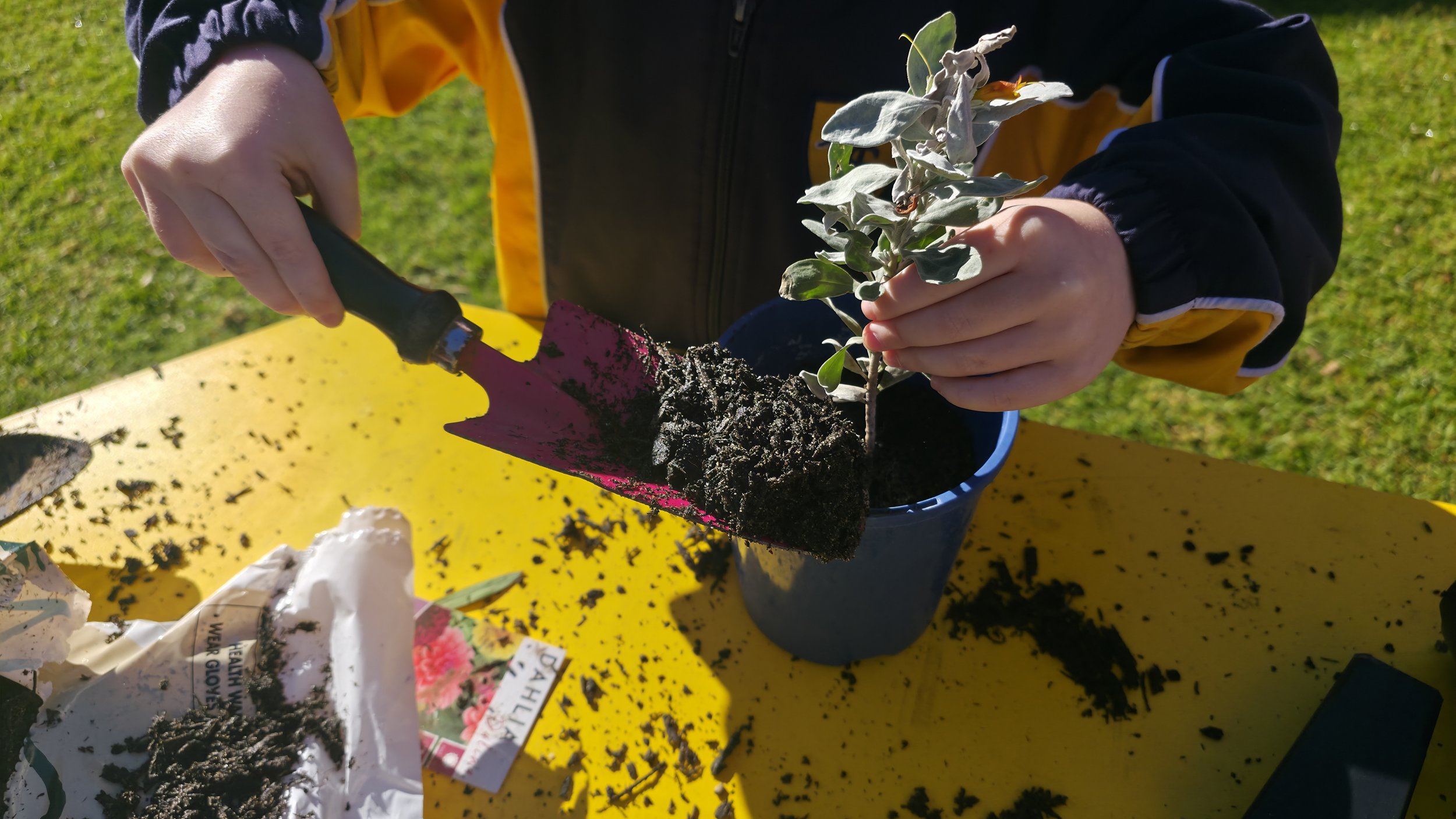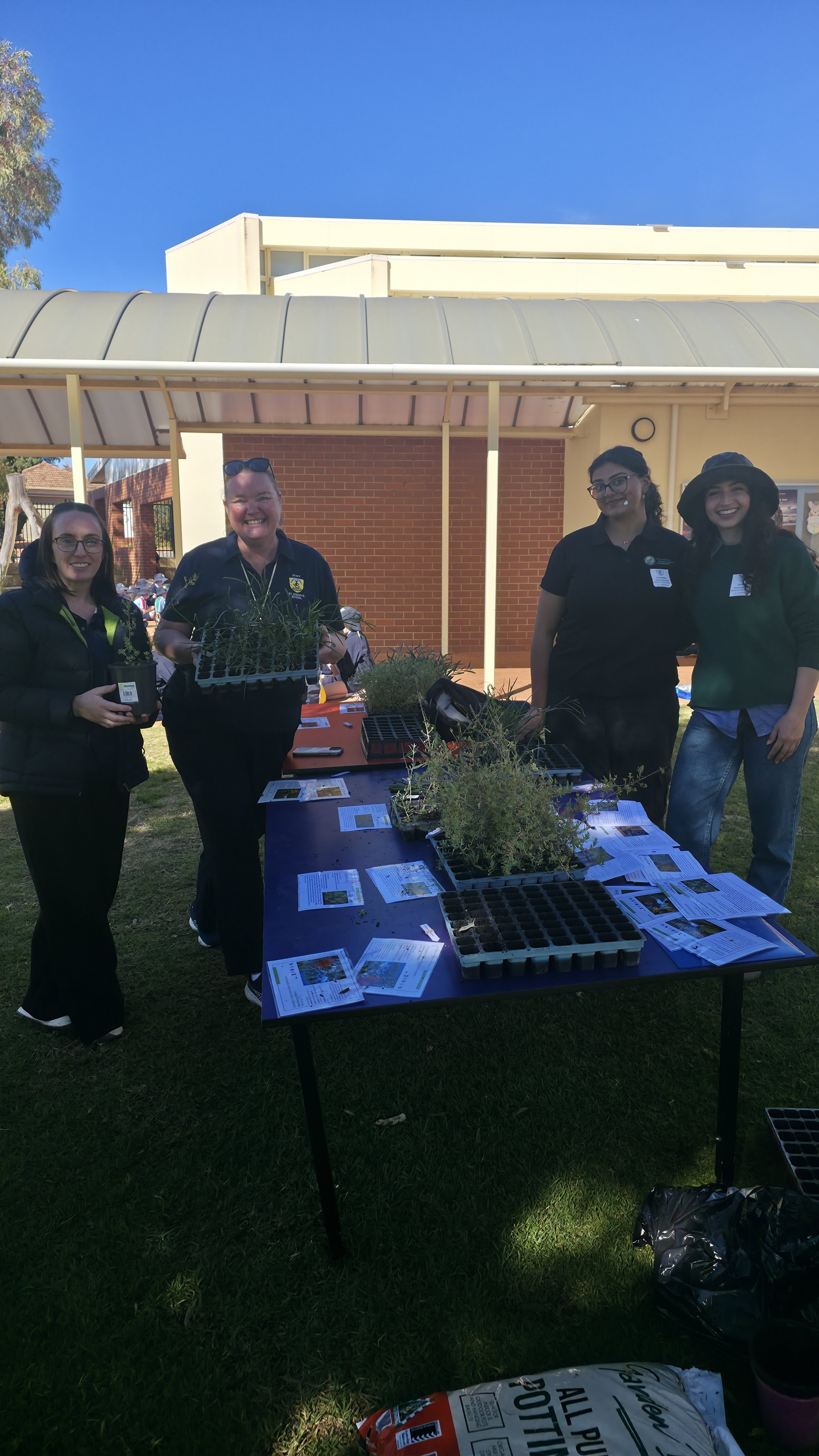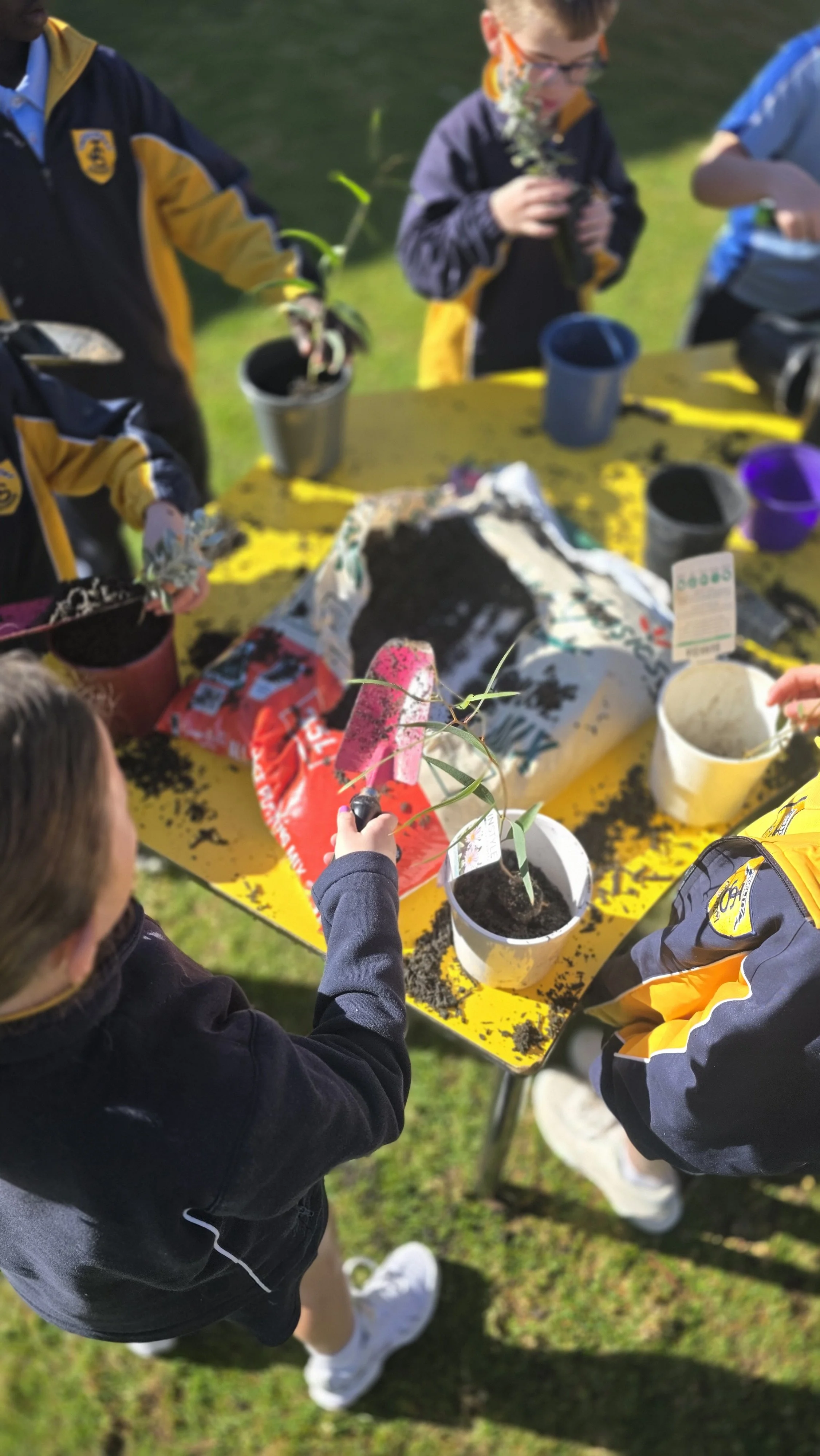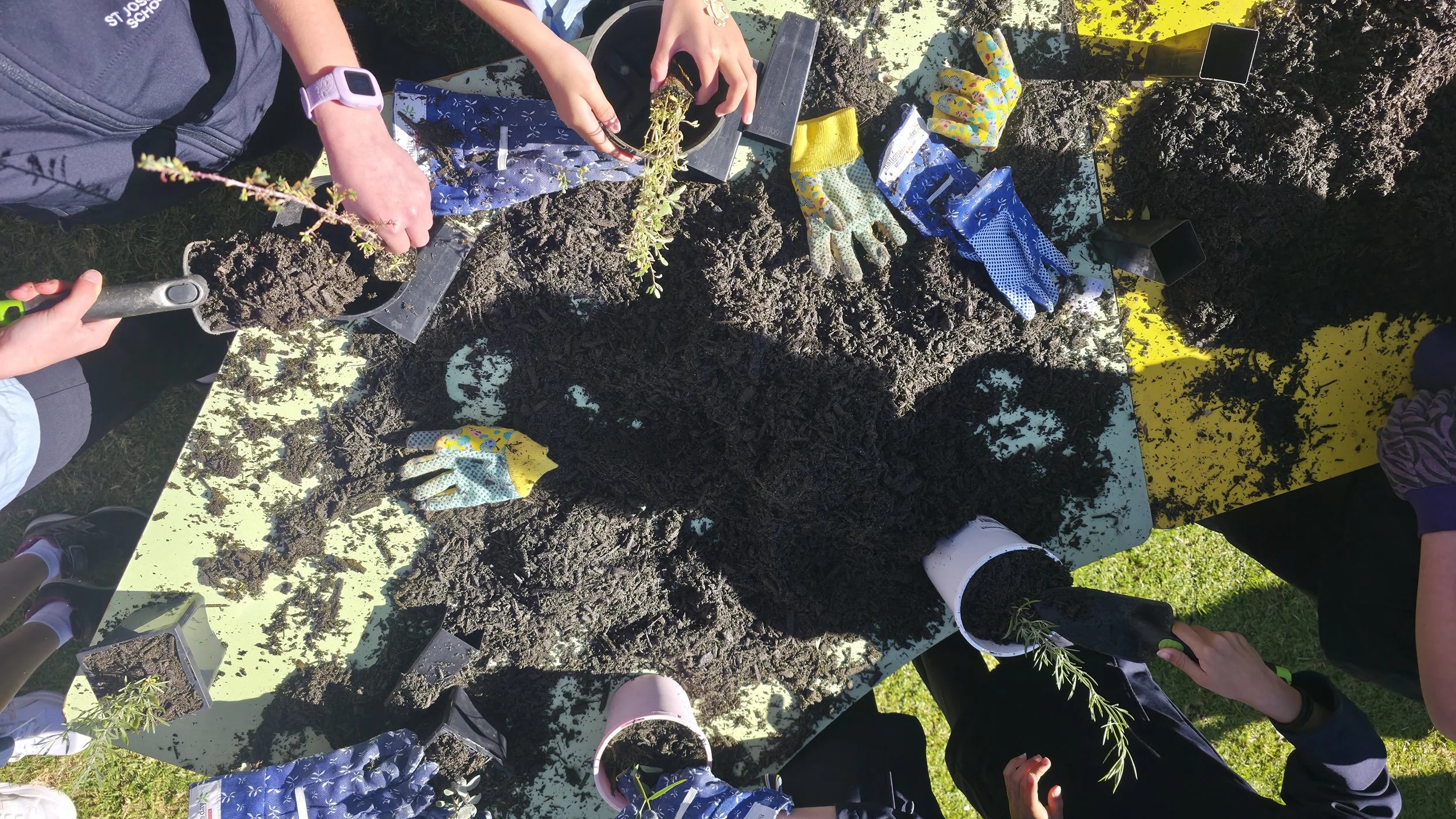
Students from St Joseph’s School in Northam rolled up their sleeves this National Tree Day, planting native seedlings and learning how small actions can help grow a healthier Wheatbelt.
With plenty of curiosity and eagerness to get involved, students learnt about the importance of native plants, revegetation, and caring for the landscapes around them. They helped plant seedlings around the school grounds, giving them a hands-on role in improving their own environment and contributing to a greener school community.
Along with the opportunity to partake in revegetation, students were also given their own native seedlings to plant and care for at home. They were able to choose from a range of Western Australian native species including small trees like Acacia’s, ground cover shrubs like Eremophilas, and bush tucker species like ruby saltbush and berry saltbush. Each seedling came with a plant tag and fact sheet, helping students understand what they were planting and how these species contribute to the unique biodiversity of the Wheatbelt landscape.
Tree planting days are important for students to help raise awareness with students about the valuable and unique remnant habitats in the Wheatbelt, including the critically endangered Eucalypt Woodlands of the Western Australian Wheatbelt.
These woodlands are a vital part of the Wheatbelt. They provide habitat for the native wildlife, support biodiversity, improve landscape health and help shape the character of our region. Through Wheatbelt NRM’s Eucalypt Woodlands and Black Cockatoo projects, we are working with landholders and the wider community to protect and improve remnant vegetation through practical action such as revegetation, weed control, feral animal control, habitat augmentation and stock exclusion fencing.
By planting their own native seedlings at school, students were able to take part in revegetation and gain a deeper understanding of its importance. It also highlighted that revegetation is not just something that happens on farms or as part of a large project, but it can also be something small and local, like in the school garden or backyard.
The students held so much excitement and enthusiasm to choose their own seedlings, learn about native plants and discovered how local species can help create healthier habitats for the future.
One seedling may seem small, but together, these small actions help to grow a strong future for the Wheatbelt.
Want to get involved?
If you are a landholder with a large area of remnant vegetation and are interested in supporting the protection of Threatened Ecological Communities (TECs) or conservation of species like Carnaby’s Black Cockatoo and Chuditch, there are many ways you can help. Protecting remnant vegetation, participating in feral control and restoring habitat can all support healthier ecosystems and improve outcomes for native wildlife.
Wheatbelt NRM can offer significant logistical support and funding for landholders who wish to undertake:
Stock exclusion fencing
Revegetation
Weed control
Feral animal control
Habitat augmentation (e.g. installing artificial Chuditch dens or Black Cockatoo nesting tubes)
Wheatbelt NRM works with landholders and the community to deliver practical on ground actions across the region. If you’d like to get involved, read through our guidelines for the Protecting the Eucalypt Woodlands of WA Wheatbelt or Protecting WA Black-Cockatoos projects, complete our expressions of interest or contact Project Delivery Officer Cenyce Vincent for more information.
If you meet our guidelines, we would love to hear from you!
These projects are funded by the Australian Government’s Natural Heritage Trust and delivered by Wheatbelt NRM, a member of the Regional Delivery Partners panel.