
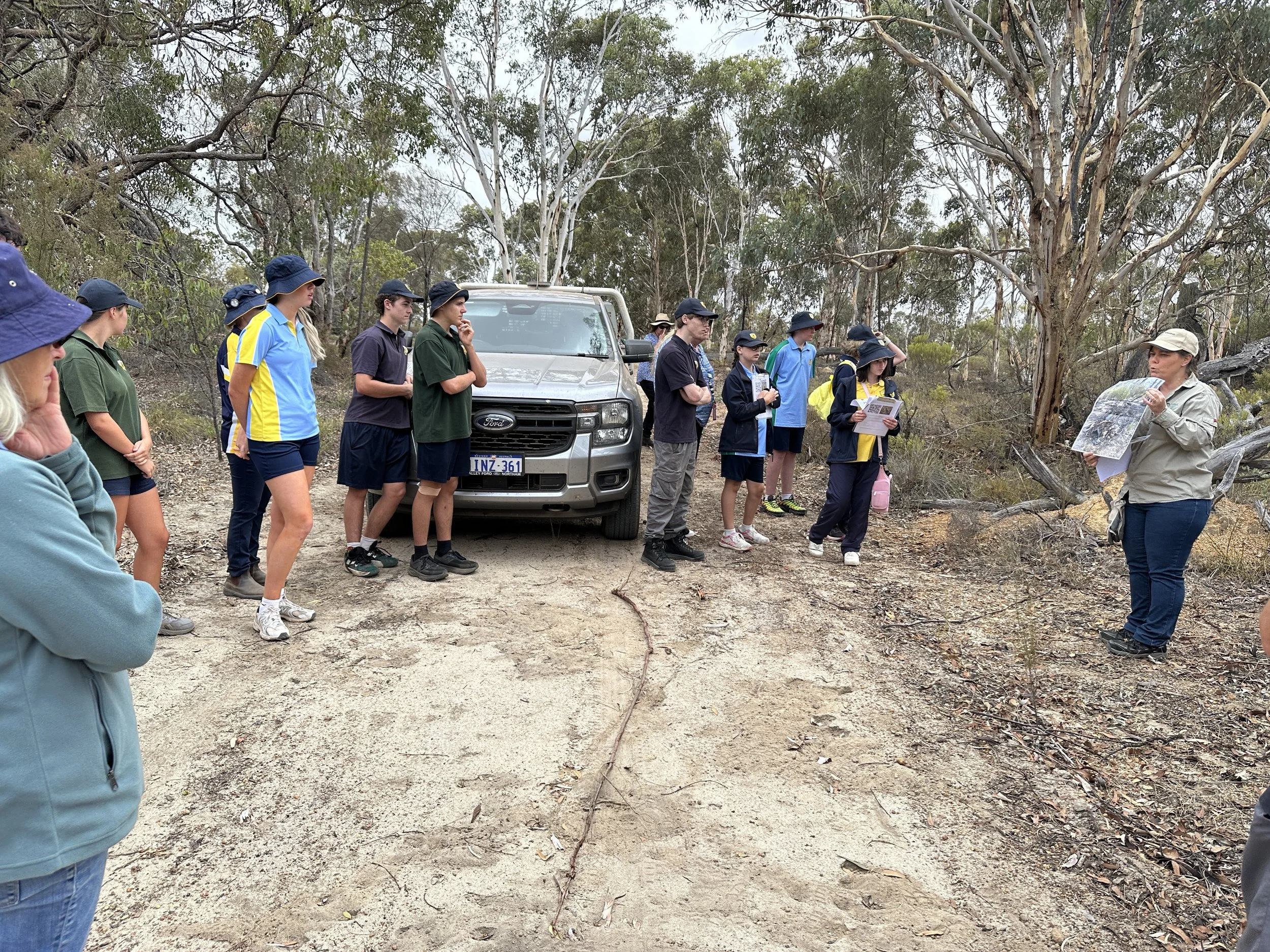
Students from St Joseph’s School in Northam recently stepped into conservation in action through a hands-on excursion with Wheatbelt NRM, learning firsthand how protecting the Chuditch starts with awareness, habitat care and community involvement.
The excursion gave students the chance to connect with the local landscape and see how practical on-ground work supports native wildlife.
Once common across much of Australia, the Chuditch (otherwise known as the Western quoll) is now largely restricted to south-west Western Australia (DCCEEW, 2023). The species continues to face significant threats from introduced predators such as foxes and feral cats, along with habitat loss and fragmentation. These pressures pose major challenges for the species’ recovery. Through DBCA’S Western Shield program where large scale predator management is helping to reduce these threats and protect vulnerable fauna. In addition, Wheatbelt NRM works with private landholders across the Wheatbelt to conduct feral animal control and habitat restoration efforts, further contributing to the long-term conservation of the species.
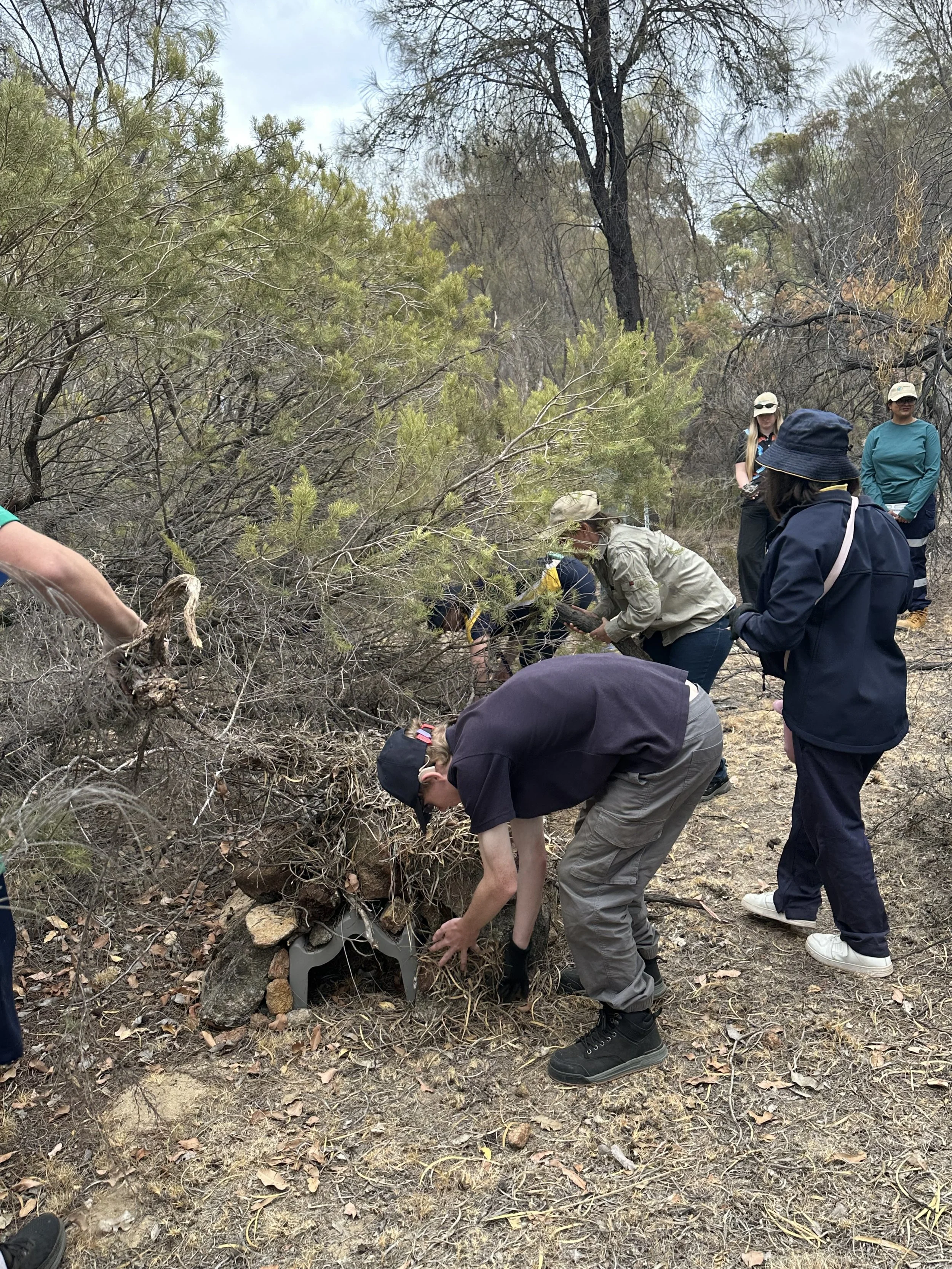
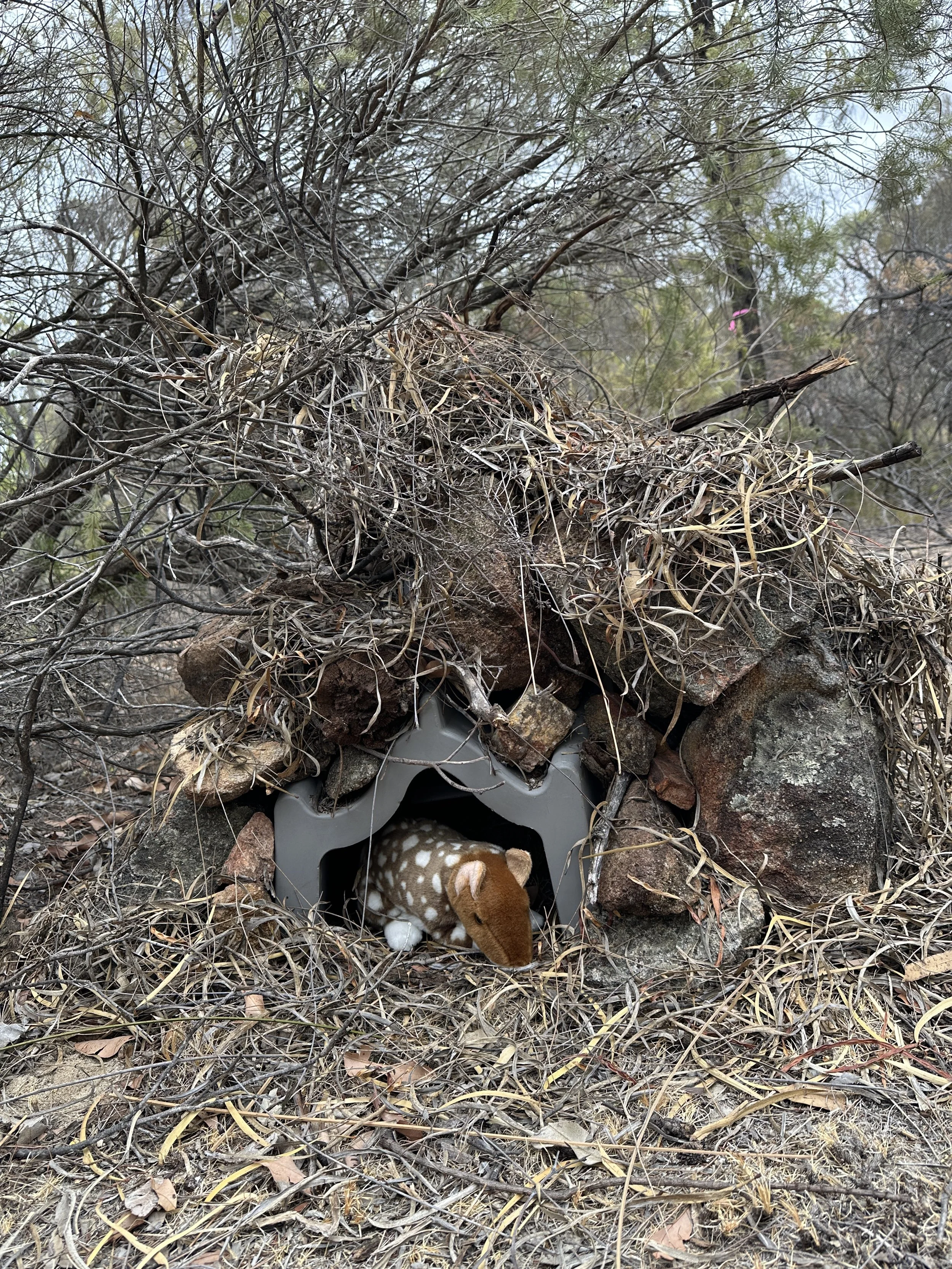
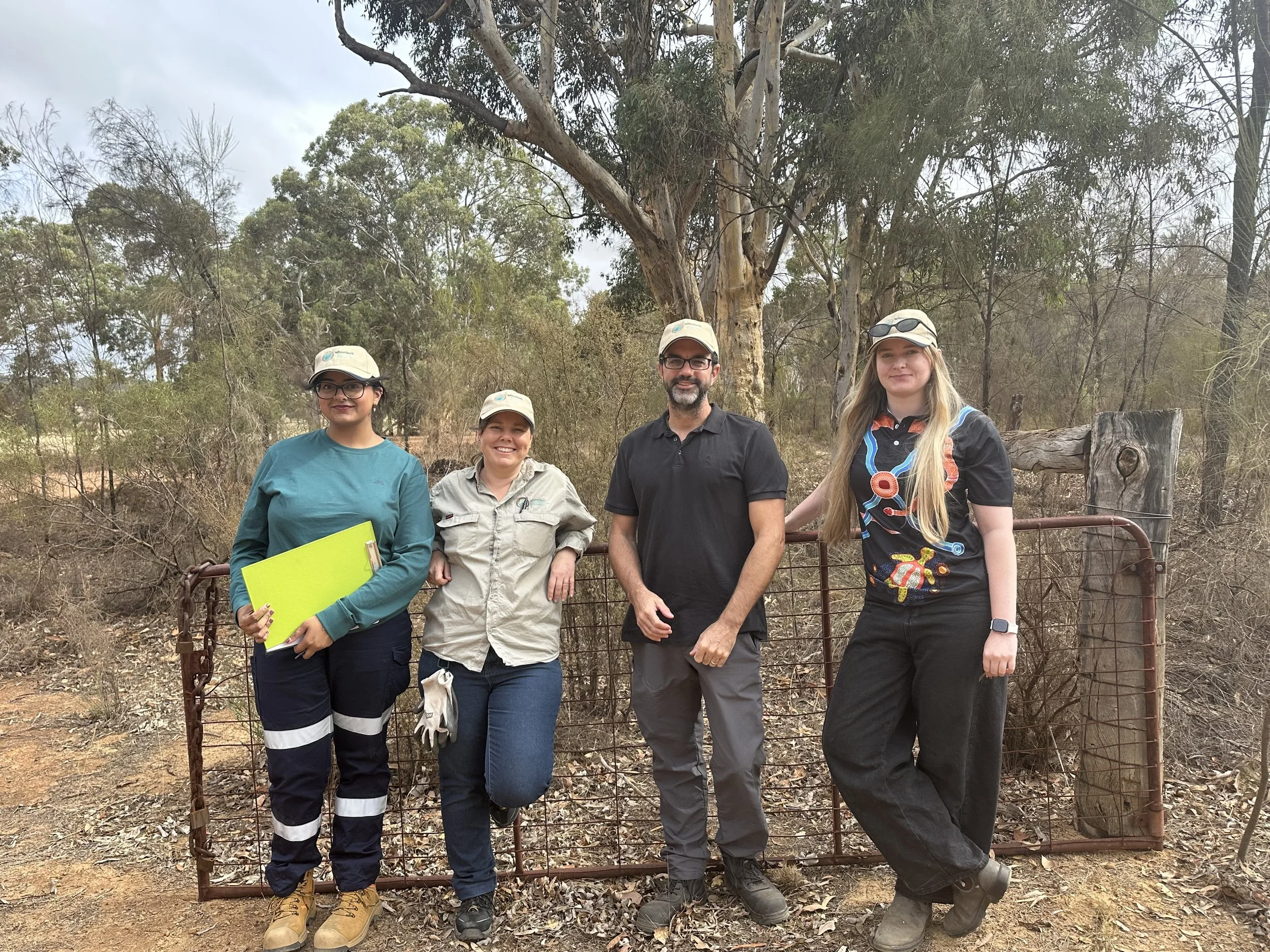
The St Joseph’s excursion highlighted how local action and involvement can make a real difference. Through Wheatbelt NRM’s work to protect the critically endangered Eucalypt Woodlands of the WA Wheatbelt, students learned about the importance of healthy woodland habitat, feral animal control, and how habitat augmentation supports native species. As part of the excursion, students helped Wheatbelt NRM’s Healthy Environments team install an artificial Chuditch den, providing them a hands-on understanding of how these structures directly support Chuditch conservation.
Students were able to see that conservation is not just about protecting a single species, but also about caring for whole ecosystems and the wider landscape. Learning about the Chuditch helps build understanding of the challenges facing native wildlife and the importance of working together to retore and protect habitat for the future.
Nicki Parker, Head of Learning Area at St Joseph’s School, said:
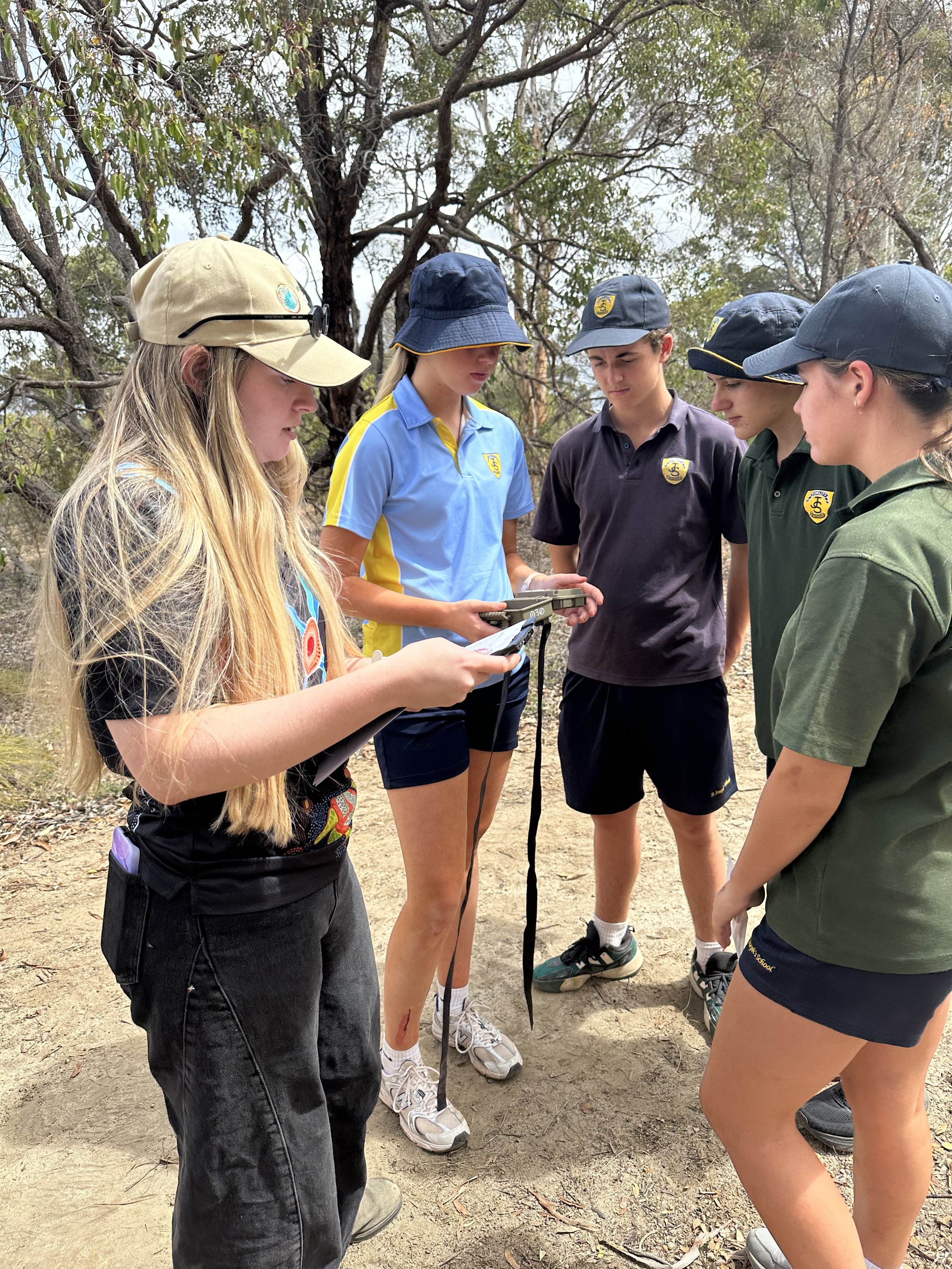
“The students loved putting the Chuditch den in place and seeing how you use cameras to monitor the bushland. We hope you can catch some little creatures using the den in future! One of my senior students said he had never been in a patch of remnant bushland like that before, so it was a real experience to see what the Wheatbelt might have looked like before clearing for agriculture. It certainly helps develop an appreciation for the natural environment. Our students with special needs loved being out in the bush and helping with the den too.”
Wheatbelt NRM is proud to support opportunities that bring young people into conservation and practical on-ground action. By fostering awareness and connection to nature now, we can help inspire the next generation to care for the Wheatbelt’s unique biodiversity and the species that depend on it.
Want to get involved?
If you are a landholder with a large area of remnant vegetation and are interested in supporting Chuditch conservation or the protection of threatened ecological communities (TECs), there are many ways you can help. Protecting remnant vegetation, participating in feral control and restoring habitat can all support healthier ecosystems and improve outcomes for native wildlife.
Wheatbelt NRM can offer significant logistical support and funding for landholders who wish to undertake:
Stock exclusion fencing
Revegetation
Weed control
Feral control
Habitat augmentation
Wheatbelt NRM works with landholders and the community to deliver practical on-ground action across the region. If you’d like to get involved, you can read through our guidelines for the Protecting the Eucalypt Woodlands of the WA Wheatbelt project, complete our expression of interest form or contact Project Delivery Officer Cenyce Vincent for more information.
If you meet our requirements, we would love to hear from you!
References
Department of Climate Change, Energy, the Environment and Water. (2023). Chuditch (Western quoll). Australian Government. https://www.dcceew.gov.au/environment/biodiversity/threatened/action-plan/priority-mammals/chuditch-western-quoll
This project is funded by the Australian Government’s Natural Heritage Trust and delivered by Wheatbelt NRM, a member of the Regional Delivery Partners panel.
Published eNews #413, April 2026