
WA Cat Containment Laws: What’s Changing, Why it Matters, and What it Means for You
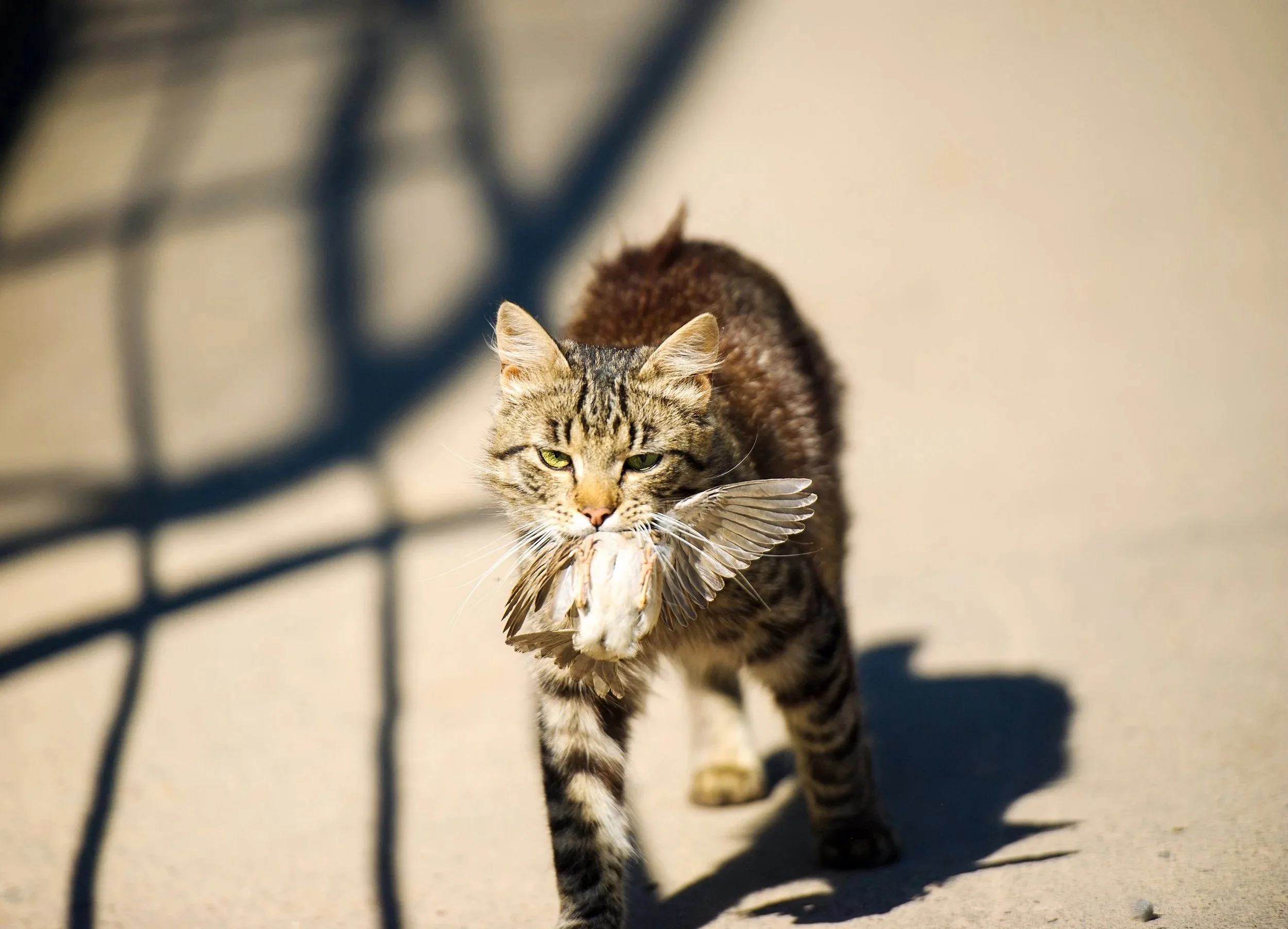
Feral cats are responsible for the deaths of 323 million native animals each year
Cat owners have incredible power to protect WA wildlife. With new containment laws on the horizon, learn how to navigate the changing horizon for cat ownership.
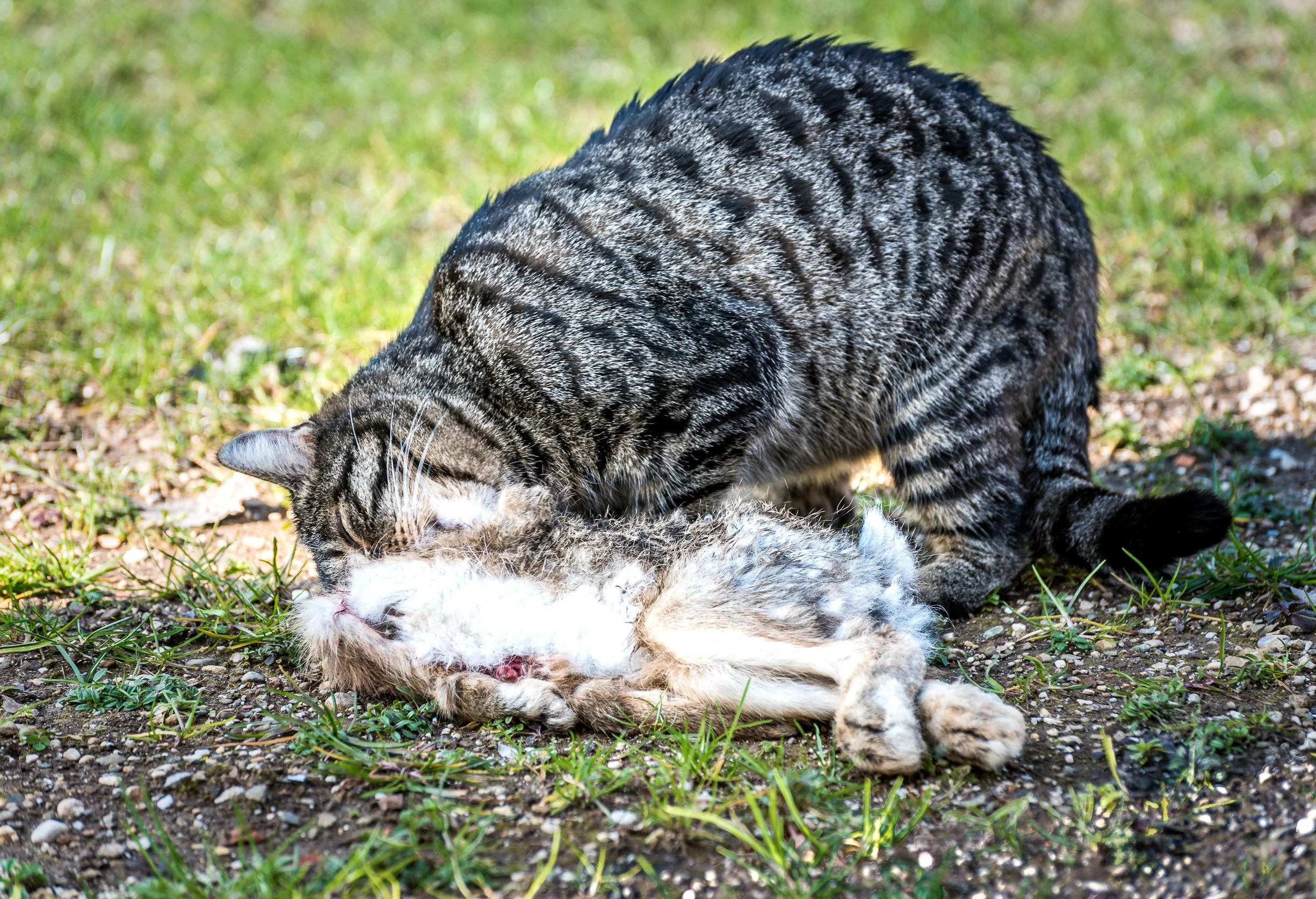
While pet cats are useful for catching the pest mice in your chook house, the sad truth is that if not contained even the best fed moggie will hunt and kill a multitude of native fauna over its lifetime.
Research from the Biodiversity Council has found that a whopping ”323 million native animals are dying in Australia each year because cat owners are allowing their pets to free roam”.(1) Pet cats will only bring home around 15% of what they catch, so it can be difficult to fathom that your loving pet will kill 186 reptiles, birds and mammals per year on average, 59% of which are native species.(2) Across Australia pet and feral cats combined kill 1.7 billion native animals each year, and have played a major role in most of Australia’s 34 mammal extinctions. They continue to pose an extinction threat to at least another 120 species.(2)
In addition to the toll on native wildlife, roaming cats have reduced welfare and a shorter life expectancy due to exposure to diseases, injury from other animals, and vehicle impacts.
This is why so many people are excited about upcoming changes to the current WA Cat Act, as it’s a win-win, benefitting both pet cats and native wildlife.
Here are the changes:
1. What is the WA Government changing?
The WA Government is preparing amendments to the Cat Act 2011 that will give local governments clearer powers to enforce cat containment — meaning, cats must be always kept on their owner’s property.
A new Cat Act Amendment Bill is expected in 2026.
Councils will be able to issue fines for roaming cats and designate cat-prohibited areas around sensitive bushland.
2. Why is cat containment being introduced?
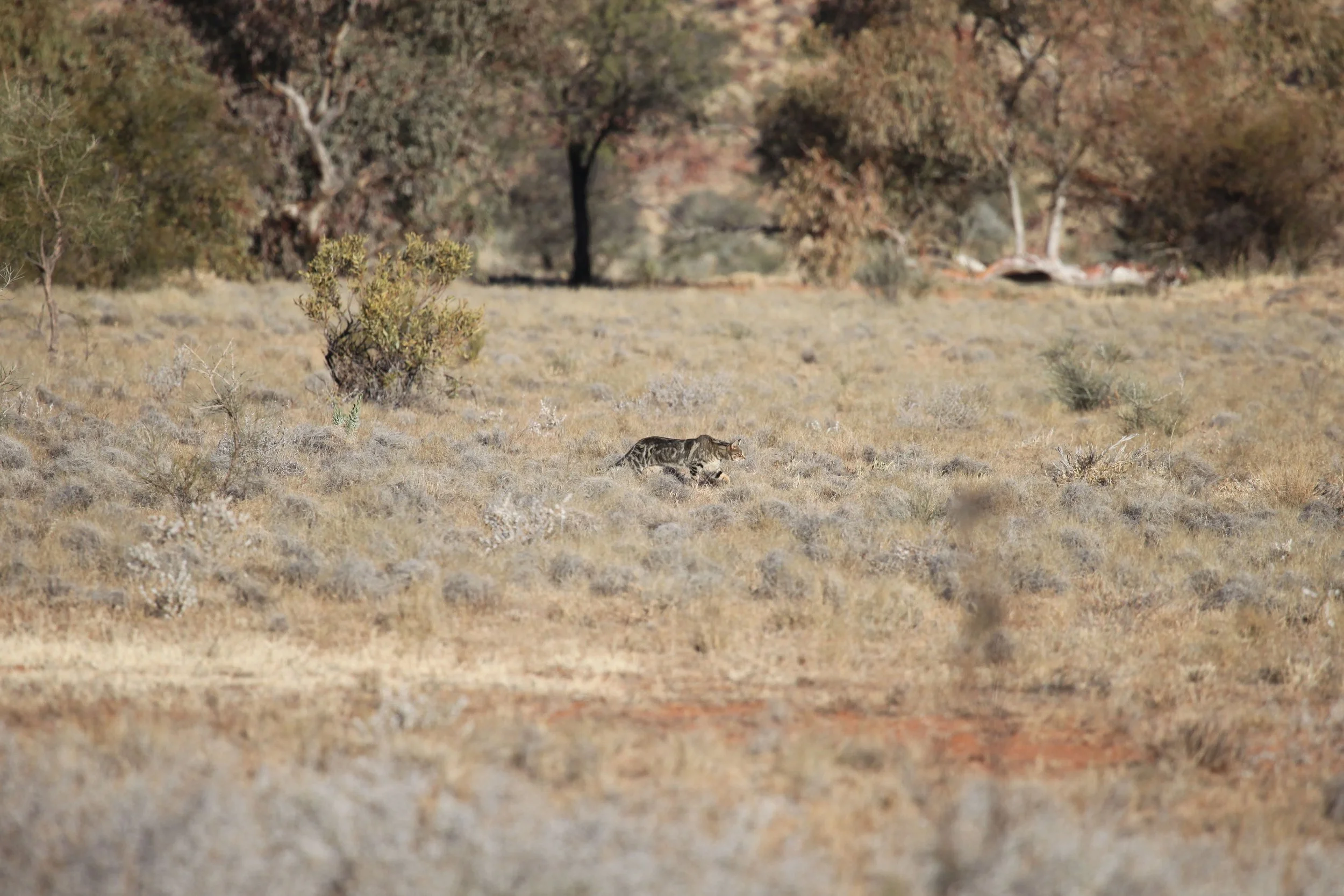
Roaming and feral cats are major threats to WA wildlife. Research shows they frequently prey on native birds, small mammals, reptiles, and invertebrates — many already under pressure from habitat loss. (1, 2)
Cat containment reduces:
predation on native wildlife
spread of disease (toxoplasmosis, Feline Influenza Virus (FIV))
injuries from cars or fights
death from skin cancer, snake bite, or misadventure
contribution to feral cat breeding cycles (3, 4)
3. When will the new rules come into effect?
The full reforms depend on the 2026 Amendment Bill.
Some councils have trialled or attempted local containment laws, but several have been disallowed because current legislation doesn’t yet give full authority. The Shire of Pingelly is continuing to fight for cat containment in their district as a key measure to protect the endangered Numbat. (5, 6)
Once the Cat Act is amended, councils will be able to adopt consistent containment laws across WA.
4. What penalties could apply?
Under current examples of proposed local laws:
Fines of up to $5,000 could apply for cats found outside their owner’s property.(7)
Fines may increase in “cat-prohibited” or environmentally sensitive areas.
5. How does this link to feral animal control and Wheatbelt conservation, and how can you get involved?
Cat containment perfectly complements on-ground feral animal management delivered through Wheatbelt NRM’s two Healthy Environments projects*. Keeping pet cats at home helps protect wildlife while WNRM landholder partners are supported with their control of feral cats, rabbits, and foxes in (i) priority eucalypt woodland and (ii) black-cockatoo habitats.
These two projects provide significant financial and logistical support to landholders seeking to restore native habitats using feral animal control, revegetation, weed control, stock-exclusion fencing, monitoring, and conservation planning. If you want to become involved and take advantage of these exciting initiatives and opportunities to improve natural landscapes and native wildlife in the Wheatbelt, then get in touch!
Myths vs Facts
Myth: “Cat containment laws are anti-pet.”
Fact: They protect pets from cars, disease, snakes and dog attacks. Most animal welfare groups support containment. (3, 4)
Myth: “My cat doesn’t hunt.”
Fact: Studies show well-fed domestic cats still instinctively hunt wildlife.(8)
Myth: “This is just a city issue.”
Fact: Regional and farming communities back containment because roaming cats impact small fauna, poultry, threatened species and are a pathway to feral cat populations.(9)
Myth: “It won’t make a difference.”
Fact: Containment reduces roaming cat impacts immediately, and combined with feral control, delivers significant conservation gains.(10)
* These projects are funded by the Australian Government Natural Heritage Trust and delivered by Wheatbelt Natural Resource Management, a member of the Regional Delivery Partners panel.
References:
1) https://invasives.org.au/media-releases/pandemic-pet-boom-escalates-wildlife-kills
3) https://www.cathaven.com.au/pages/our-position-on-cat-containment
4) https://www.rspcawa.org.au/news/a-safe-cat-is-a-happy-cat
5) https://www.abc.net.au/news/2025-09-17/cat-confinement-laws-dismissed-perth-council-wa/105784434
8) https://www.nature.org.au/pet_cat_containment_a_vital_step_to_protect_nsw_s_wildlife
9) https://invasives.org.au/wp-content/uploads/2025/07/WAFCWG_2025_WALocalGovtCatSurvey.pdf
10) https://invasives.org.au/wp-content/uploads/2023/06/Pet-cat-impacts-June-2023.pdf
Published eNews #409 - December 2025