
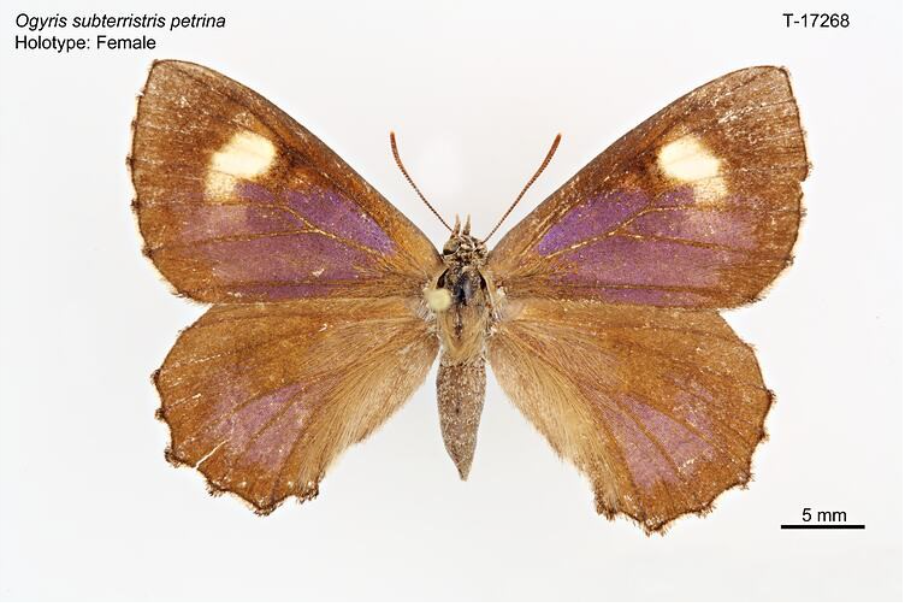
CC BY 4.0. Credit: “Arid Bronze Azure butterfly (Ogyris petrina), museum specimen. Photo: Simon Hinkley / Museums Victoria, CC BY 4.0.” The record uses its former name, Ogyris subterrestris petrina.
Voting is open for the 2026 ABC Australian Insect of the Year, with six remarkable finalists competing for your attention.
One contender with a WA connection is the Gold Christmas beetle (Anoplognathus aureus), reported from northern Western Australia. With its gleaming metallic gold colouring, this tropical beetle brings plenty of sparkle to the shortlist. Its nomination also highlights the Christmas Beetle Count, a citizen science initiative helping researchers understand these insects and their conservation needs.
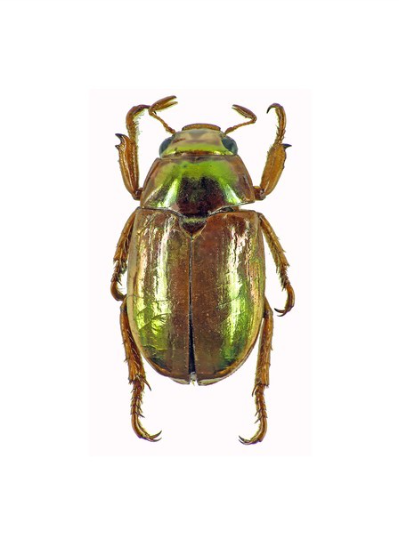
CC BY-SA 4.0. Credit: “Gold Christmas beetle (Anoplognathus aureus). Photo: Noël Mal / Royal Belgian Institute of Natural Sciences, CC BY-SA 4.0.”
Another finalist, the critically endangered Mallee Bronze Azure butterfly (Ogyris subterrestris), has a special connection to the Wheatbelt. It is closely related to our own critically endangered Arid Bronze Azure (Ogyris petrina), previously highlighted in Wheatbelt NRM’s The Ants and the Butterfly resource. Once considered subspecies, the two were recognised as distinct species in a 2023 scientific review.
Both butterflies have an extraordinary relationship with sugar ants: their caterpillars develop inside ant nests and feed on immature ants. Protecting these butterflies therefore means caring for the ants, soil and remnant bushland they depend on, which isa powerful example of how conservation connects an entire ecosystem. Remnant bushland and the life beneath our feet can be just as important as the wildlife we see.
The Blue Banded Bee, a previous subject of Wheatbelt NRM’s Insect of the Month series, was the inaugural Insect of the Year winner when the competition first started.
Whether you favour a golden beetle or a butterfly with a remarkable hidden life, take a moment to meet the finalists and cast your vote.
Vote through the ABC’s Australian Insect of the Year article before the end of October. The winner will be announced on 9 November, at the start of Australian Pollinator Week.
Published eNews #419, October 2026