
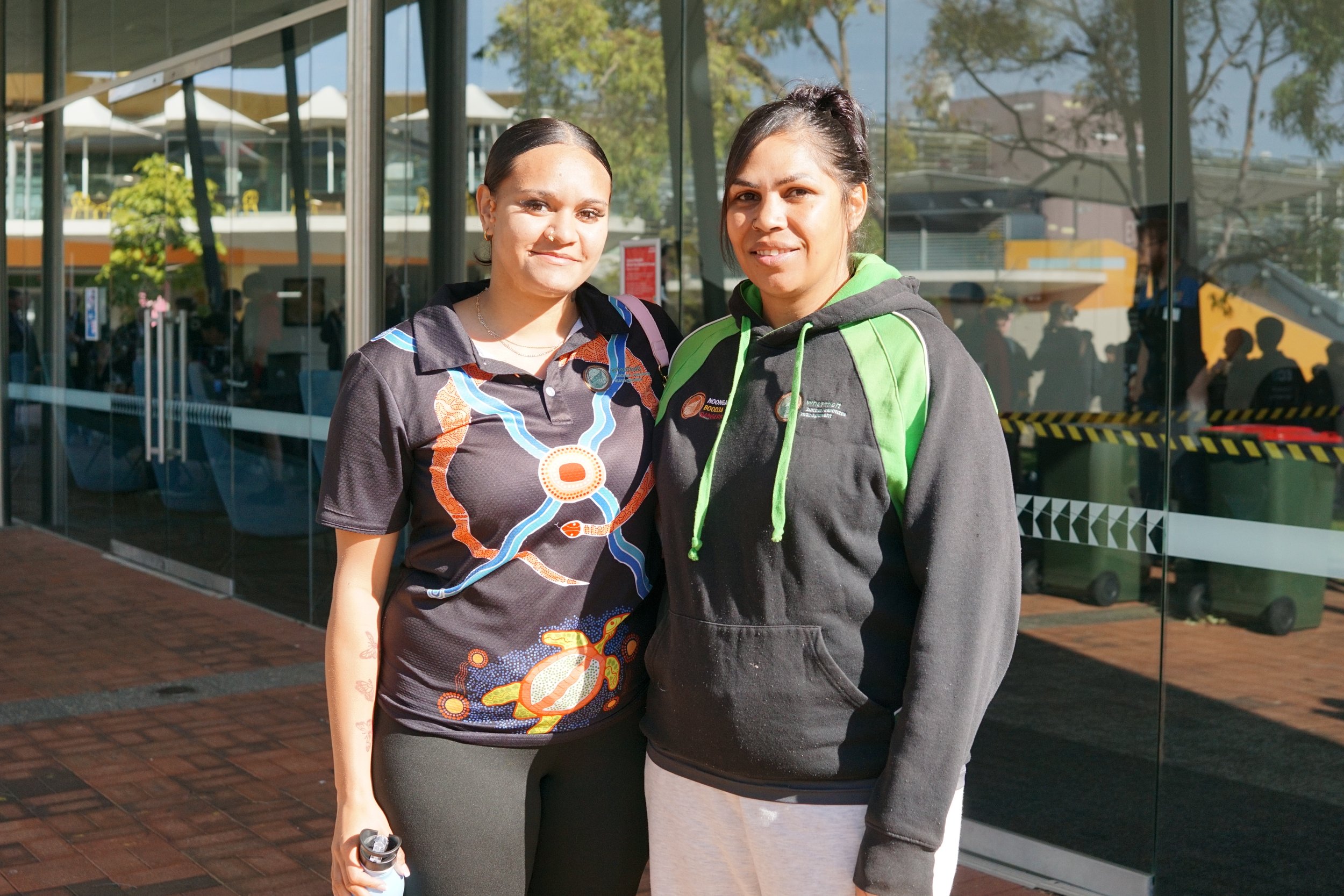
This month, our Noongar Boodjar Ranger team had the opportunity to visit Edith Cowan University (ECU) to collaborate and present their recent involvement with the IGNIS Mission, a landmark Australian-US partnership led by ECU in collaboration with NASA and several Australian universities.
The project is studying lightning and fire from the ground, air, and eventually space, with the goal of improving fire prediction, disaster resilience, and community safety.
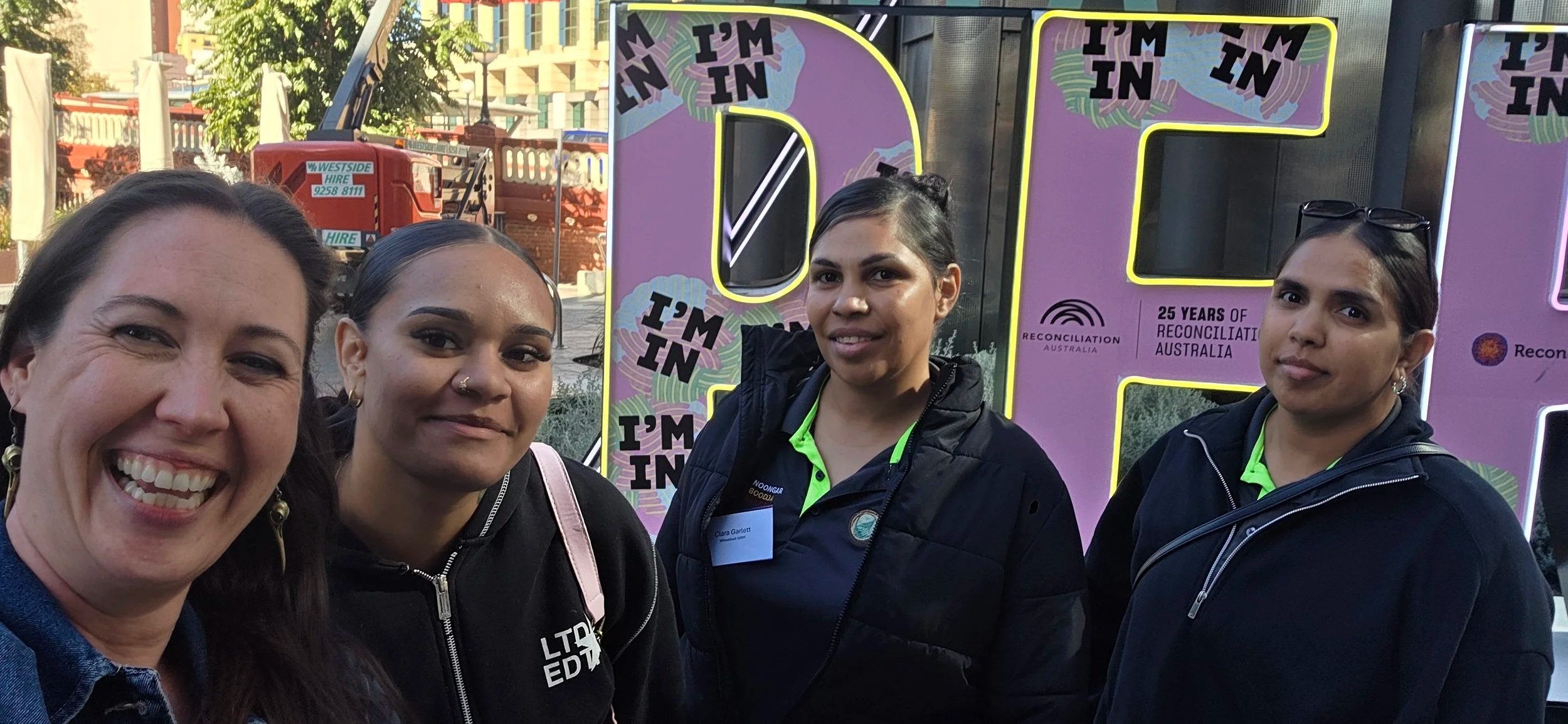
On 4 June, they joined a workshop at ECU's city campus to discuss how lightning monitoring technology can support organisations such as DFES, government agencies, and emergency responders. The conversation focused on how real-time lightning data could help identify where lightning strikes occur, improving preparedness and response to bushfire risks.
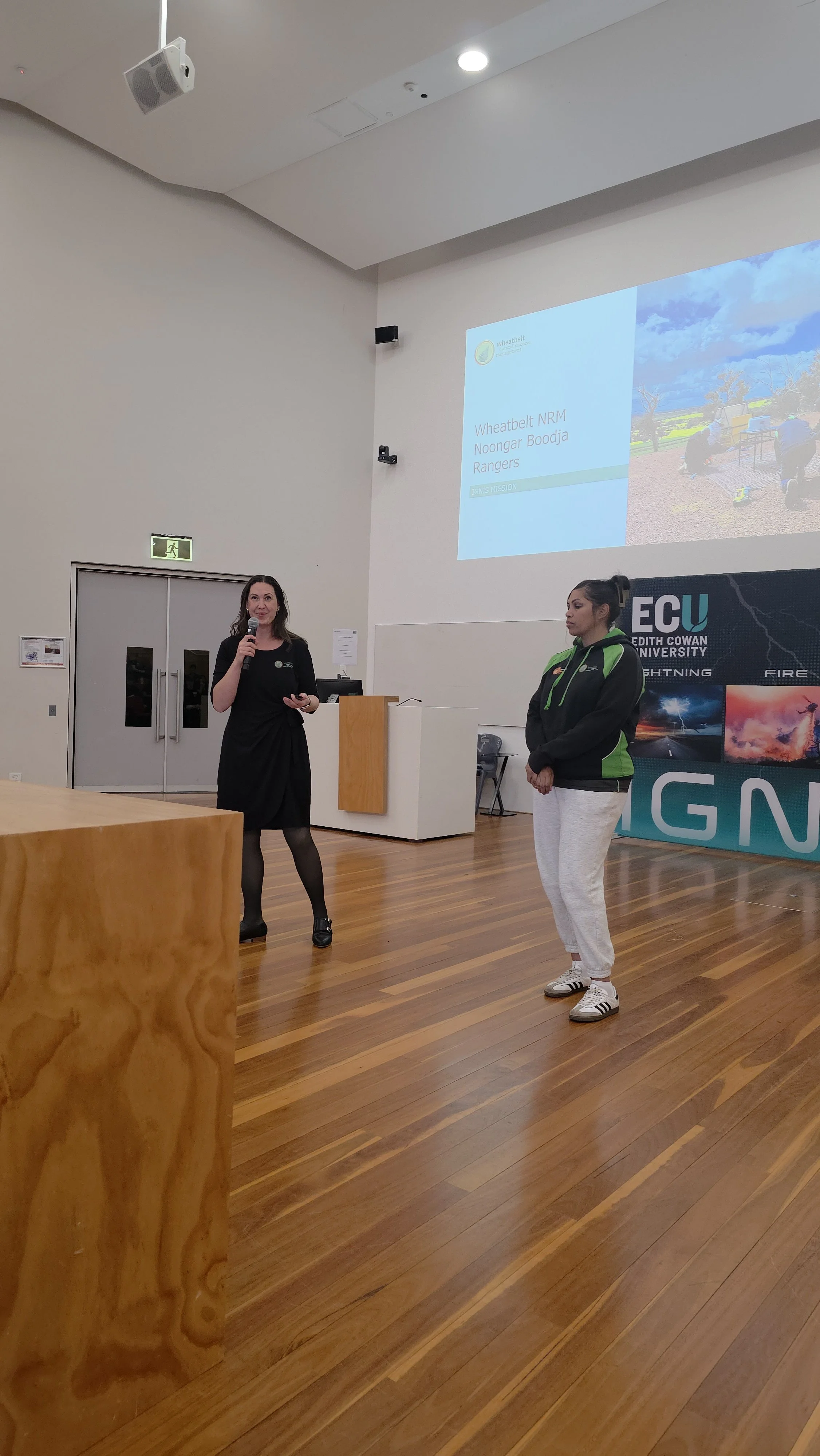
The following day, the team travelled to ECU's Joondalup campus to speak with high school students participating in the IGNIS Student Internship Program. These students are contributing to real-world research alongside university researchers, NASA scientists, and Aboriginal Rangers. The Wheatbelt NRM team shared how Rangers use their knowledge of Country to identify suitable monitoring locations and spoke about the role Wheatbelt NRM plays in supporting environmental outcomes across the region.
The IGNIS Mission is unlike anything previously attempted in Australia. It combines airborne surveys, a network of lightning monitoring stations, advanced thermal imaging, and future satellite technology to better understand how lightning sparks fires across the landscape. Researchers hope the knowledge gained will ultimately improve bushfire prediction and response both in Australia and internationally.
For Wheatbelt NRM, the project highlights the value of combining cutting-edge science with local knowledge.
Much of the Wheatbelt is privately owned, meaning successful deployment of lightning monitoring stations relies on strong relationships with landholders and a deep understanding of the local landscape. When assessing one proposed monitoring site, our Ranger team recommended relocating the station to the opposite side of a hill after identifying a nearby ant colony that could be attracted to the warmth of the equipment and affect its operation.
It's a small example of how local knowledge can make a big difference.
Projects like IGNIS demonstrate the unique role Wheatbelt NRM can play in connecting world-class research with communities on the ground. Through trusted relationships with landholders, practical environmental expertise, and a team passionate about science and caring for Country, we're helping ensure innovative projects like this deliver real benefits for the Wheatbelt and beyond.
To learn more about the IGNIS project, visit https://www.ecu.edu.au/schools/engineering/ignis-mission
Published eNews #415, June 2026