
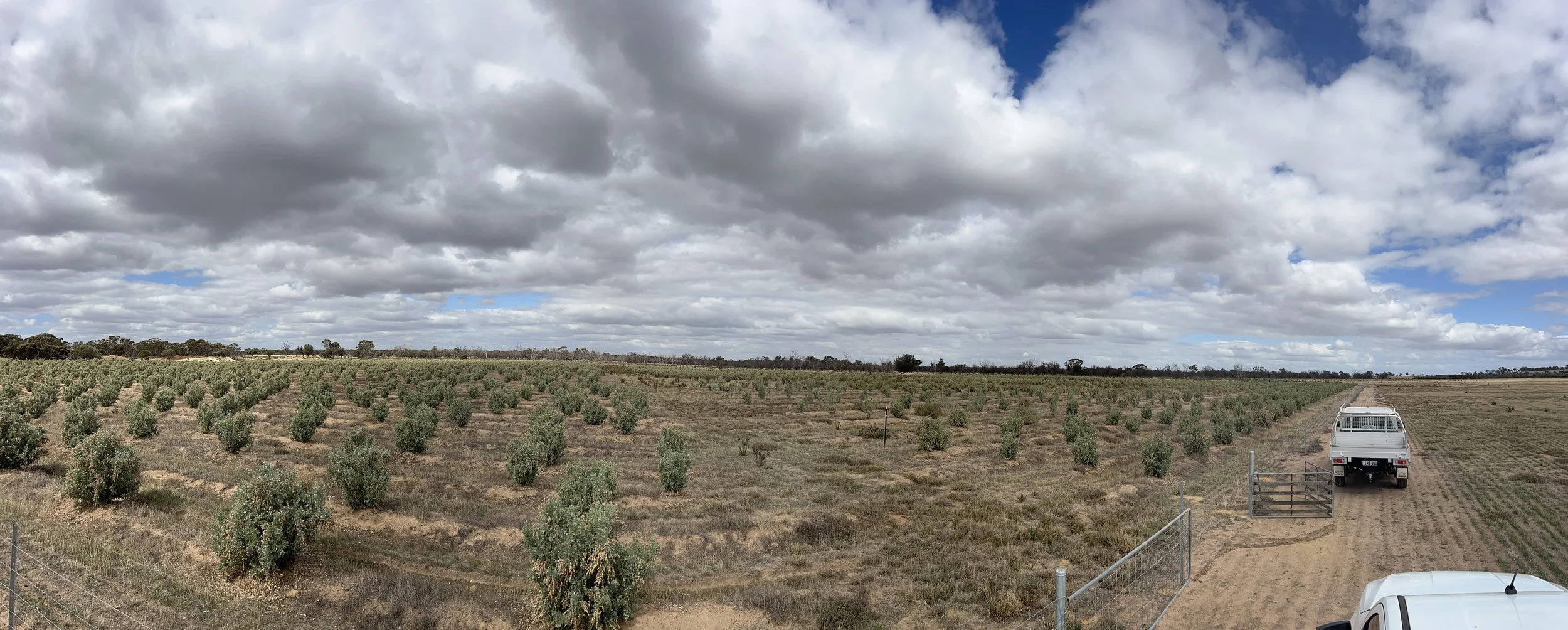
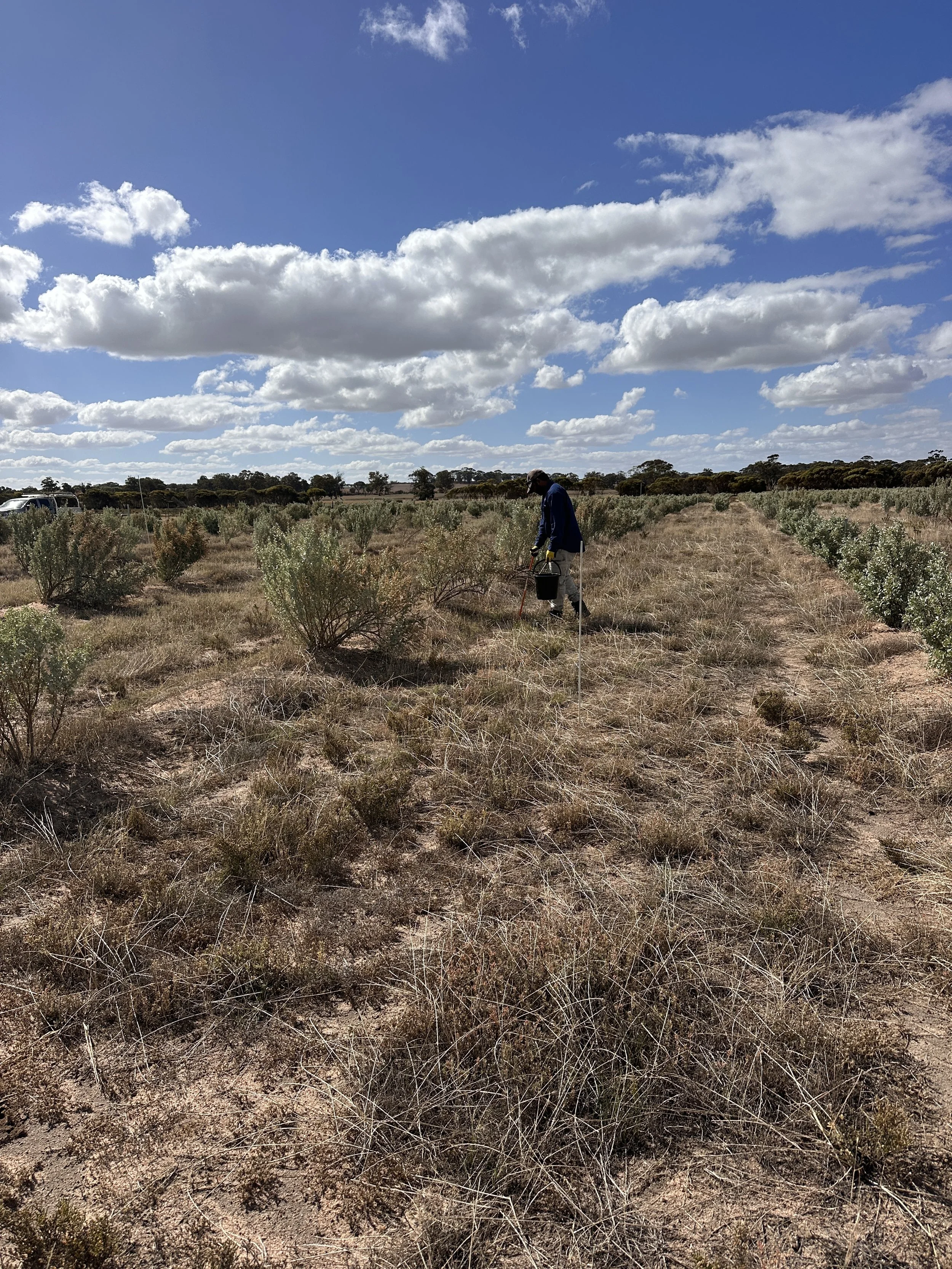
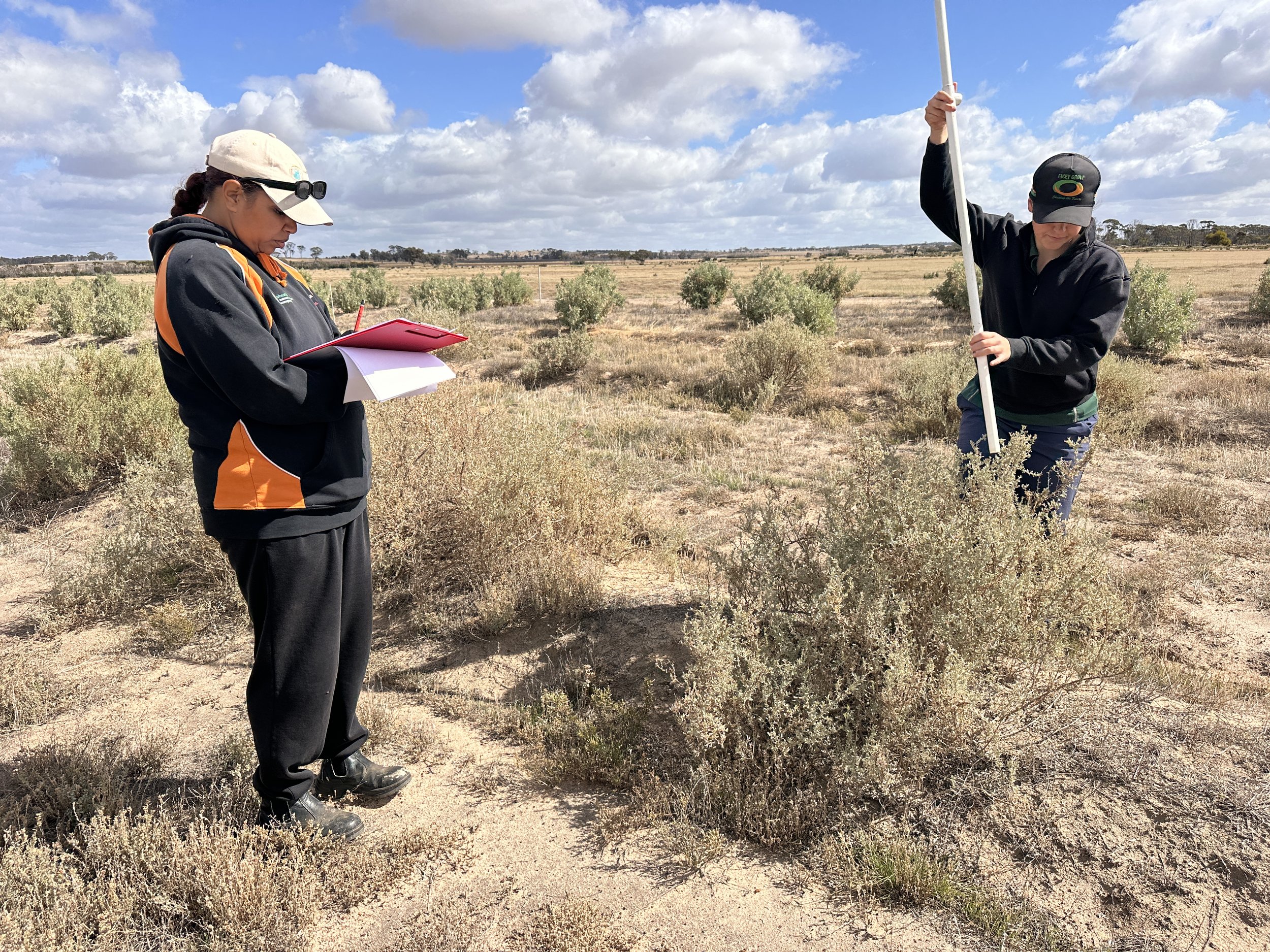
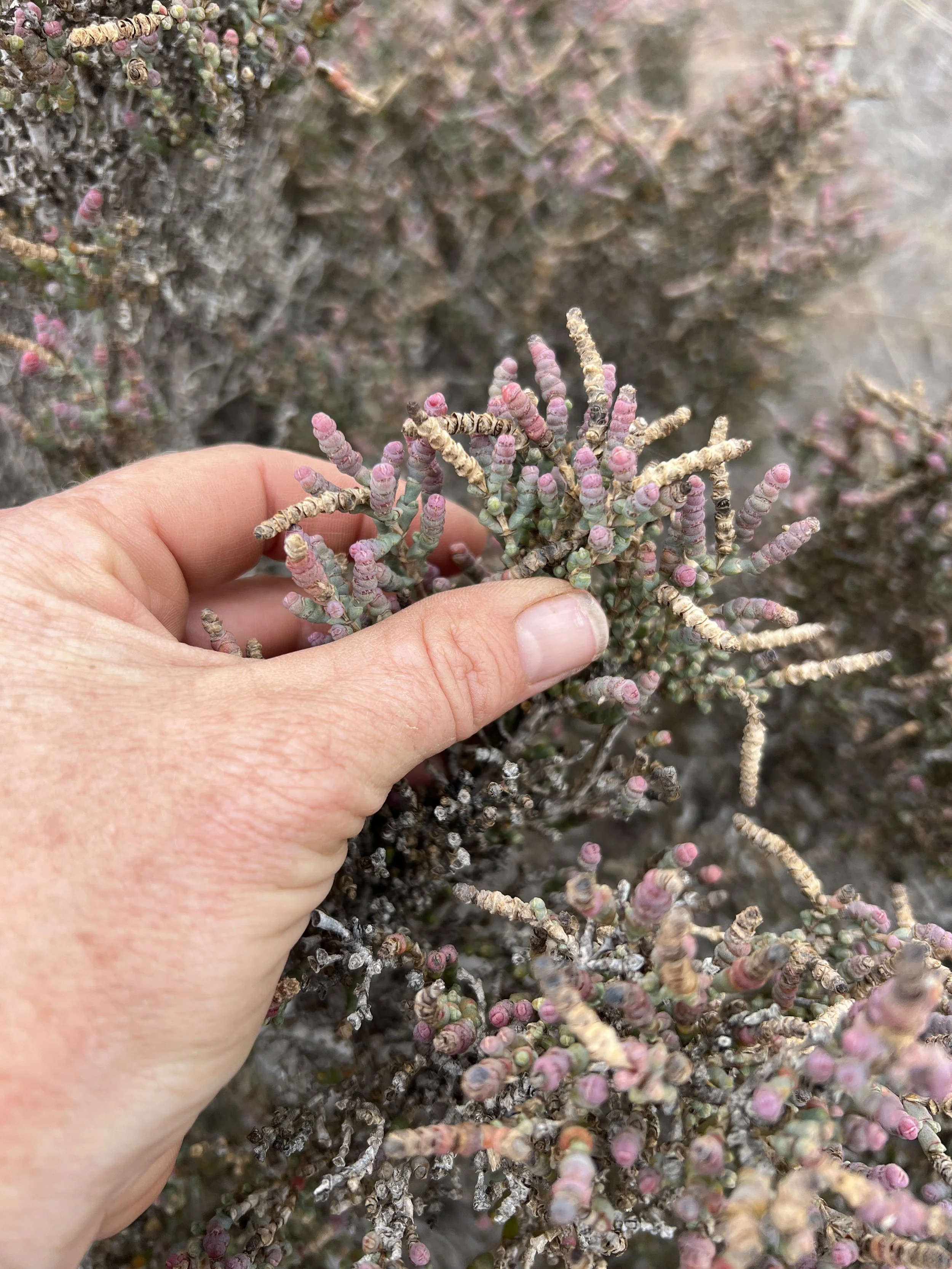
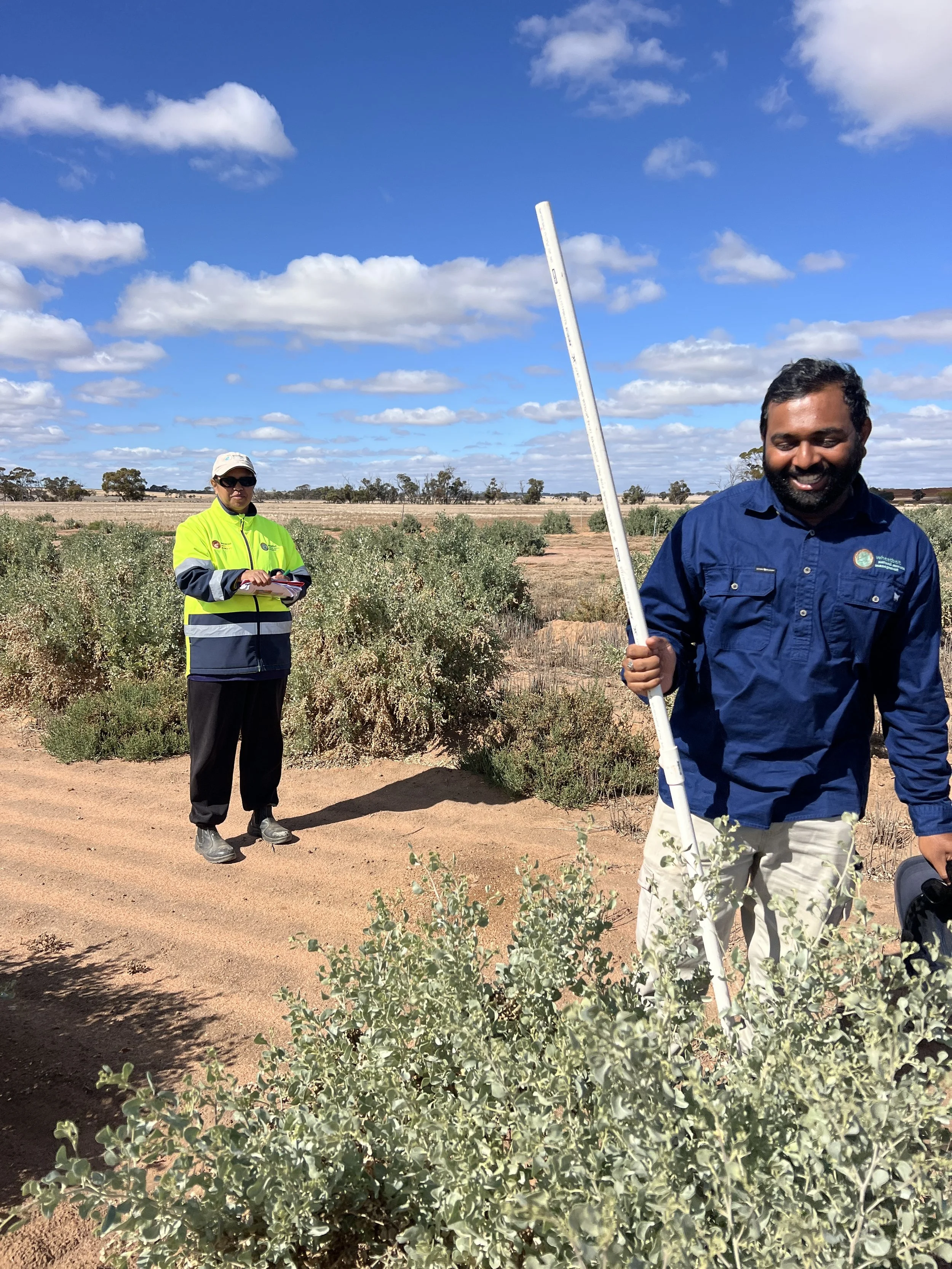
Assessing Saltbush for Carbon sequestration in south-west WA has reached a mid-project milestone this month. With the help of partners Corrigin Farm Improvement Group, Facey Group and Murdoch University the six new saltbush trials that were planted on private property in 2023 were assessed for plant growth and soil sampling was completed.
The primary intention of the project is to assess the viability of different saltbush species to sequester carbon. The secondary intention for the project is to mitigate salinity and improve soil health over the life of the project (which wraps up in 2029). With landmark changes in the sheep market, this project is more important than ever to demonstrate the on-going benefits of adopting these types of systems.
Other benefits of the project are to assess growth rate of the saltbush under different conditions while still allowing grazing of the sites. Some of the trial plots have been grazed hard during the spring and summer feed-gap period but were mostly showing good regrowth during sampling.
The days grazed will be calculated as removed biomass and incorporated into the biomass data used by Murdoch University to calculate total plant growth and carbon sequestered at the end of the project.
Initial 0-10 cm soil samples were taken at planting, so follow-up soil sampling was completed and is currently at the lab being analysed for comprehensive chemical analysis and bulk density. EM measurements were also taken at planting which is a reliable way of gauging soil salinity. The original soil sampling and EM measurements were ambiguous, so the project team decide to utilise our 1 m hydraulic soil corer to take further samples to a depth of 1 m, to better ascertain what depth salinity was at for each site. All the trial plot sites are showing signs of salinity in the landscape i.e. salt scalds nearby, erosion, stressed and dying trees.
This project has been an important way to demonstrate the co-benefits of using native forage systems in a wheatbelt context. The project aligns perfectly with another of our large projects, Forage for Nature (supported by the Australian Government through funding from the Natural Heritage Trust under the Climate-Smart Agriculture Program), which is also assessing the benefits of mixed native forage plantings on soil health, along with invertebrate and bird biodiversity.
The partnerships that have been built throughout the project activities has been one of the most rewarding aspects of the program. Local site landholders, WNRM’s Aboriginal Ranger team, local grower groups and Murdoch University researchers have all worked together to pull the milestones together. We are looking forward to sharing more excellent project outcomes of the data that has been collected throughout this important project.
You can read about the report of data from mature saltbush site assessments here:
An excellent paper on the establishment of saltbush systems:
This Project is supported by the Western Australian Carbon Farming and Land Restoration Program.
Published eNews #415, June 2026