
Feral Control - Take Action for Chuditch Today!
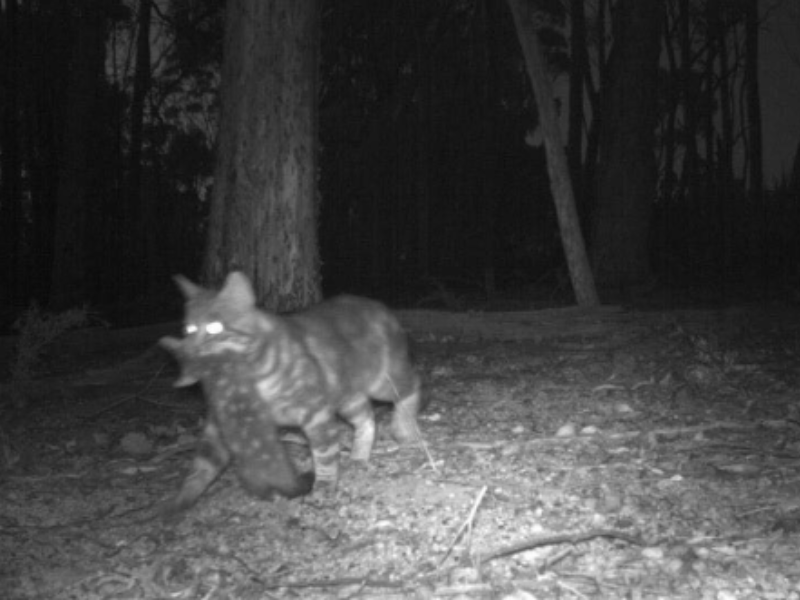
Image credit: Department of Biodiversity, Conservation and Attractions
Australia has lost more native mammal species than any other continent, with around 40 mammal extinctions since European settlement.
Feral cats and European red foxes are recognised as two of the biggest threats to native wildlife. They prey on native mammals, birds and reptiles, contributing to population declines and pushing species toward extinction. A recent and widely publicised scientific study has reaffirmed the evidence that directly implicates feral cats and foxes as the principle driver of native mammal extinction in Australia.
In WA, 36 native mammal species (plus many birds and reptiles) are vulnerable to predation by feral cats. Similarly, foxes also heavily impact native fauna and are a key threat to ground-dwelling mammals and birds in the state.
Predation by feral cats and foxes directly reduces the survival of native wildlife, impacting negatively on ecosystem function, and limits recovery even when habitat is restored or species are reintroduced. Both animals are widespread across most WA habitats - from Eucalypt woodlands, to shrublands, and the Wheatbelt - and can undermine conservation gains if left uncontrolled.
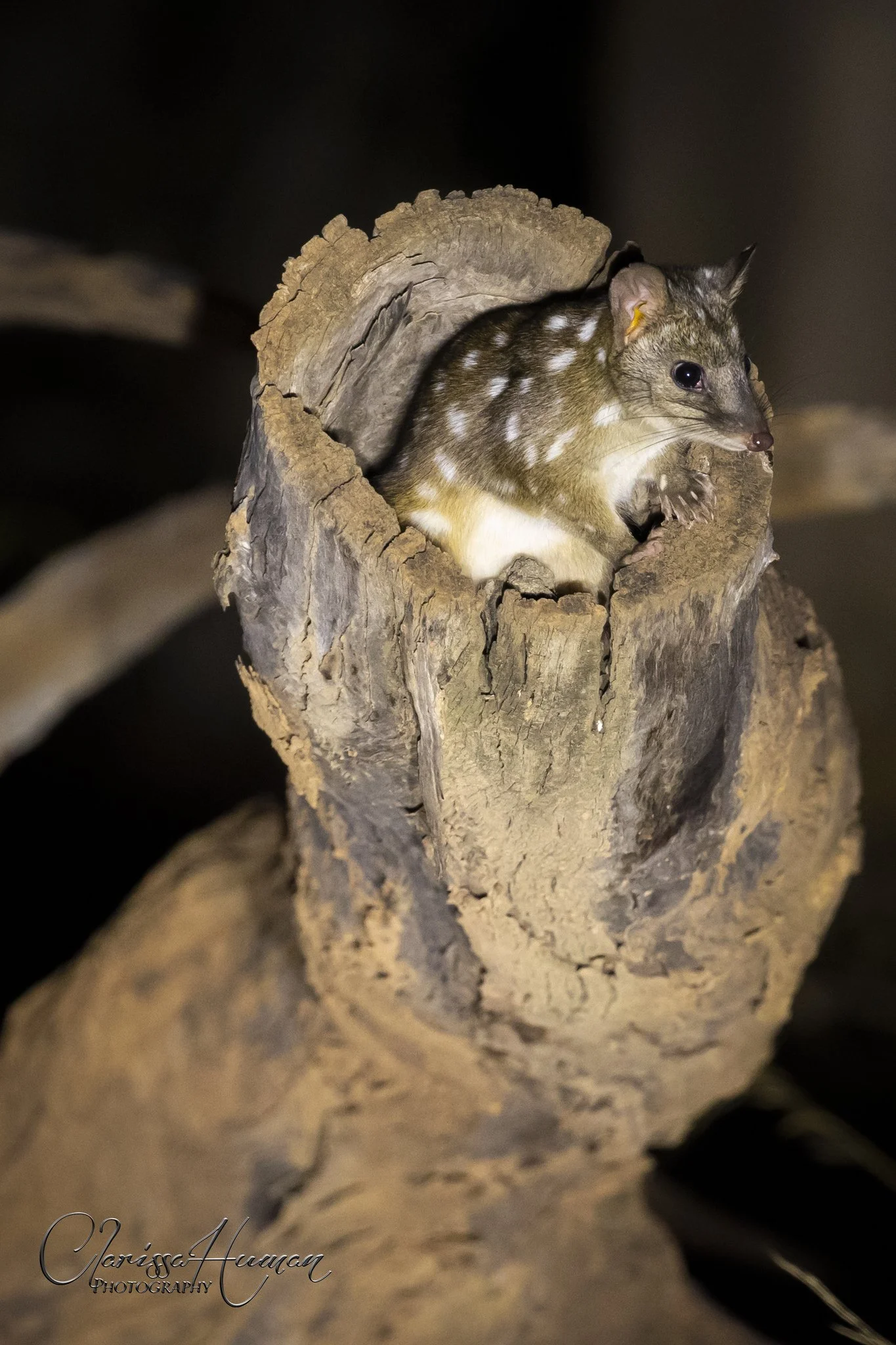
One species that is particularly vulnerable to the impact of feral cats and foxes is the Chuditch (or Western quoll). This charismatic, yet elusive, small carnivore has suffered a greater than 90% reduction in its range, which is strongly linked to the impact of direct predation and competition from introduced predators, as well as habitat change and fragmentation due to clearing, land use and altered fire regimes. Predator control work in WA shows higher Chuditch numbers where foxes and feral cats are controlled compared with unmanaged areas.
Wheatbelt NRM has been monitoring Chuditch habitats across the region (for example through innovative eDNA techniques), and is continually responding to the threat posed to this species by foxes and feral cats, as part of our Protecting the Eucalypt Woodlands of the WA Wheatbelt project.
We are partnering with landholders across the region to implement wide ranging feral predator control measures and protect priority Eucalypt woodland habitats to safeguard bushland and the native wildlife that call it home.
Do you want to partner with Wheatbelt NRM to offer a better future to Chuditch in our region?
Feral animal control is a key component of our Healthy Environments projects due to the threats they pose to both native species and ecosystems.
If you’re a landholder in the Avon River Basin and you:
Have a large area of remnant vegetation
Would like assistance with a feral control program
You should read our application guidelines for our Protecting the Eucalypt Woodlands of the WA Wheatbelt project. These guidelines encompass our Chuditch work.
To get involved in this project, complete an Expression of Interest form or contact Project Delivery Officer Cenyce Vincent for more information.
This project provides significant financial and logistical support to landholders seeking to restore Eucalypt woodland habitats for Chuditch using a combination of:
feral animal control
revegetation
weed control
stock-exclusion fencing
monitoring
provision of artificial Chuditch dens
conservation planning
If you want to become involved and take advantage of these exciting initiatives and opportunities to improve natural landscapes and protect native wildlife in the Wheatbelt, then we’d love to hear from you!
This project is funded by the Australian Government’s Natural Heritage Trust and delivered by Wheatbelt NRM, a member of the Regional Delivery Partners panel.
Published eNews #411, February 2026