
Cultural Burns Trialled to Bring Remnant Woodlands Back to Life
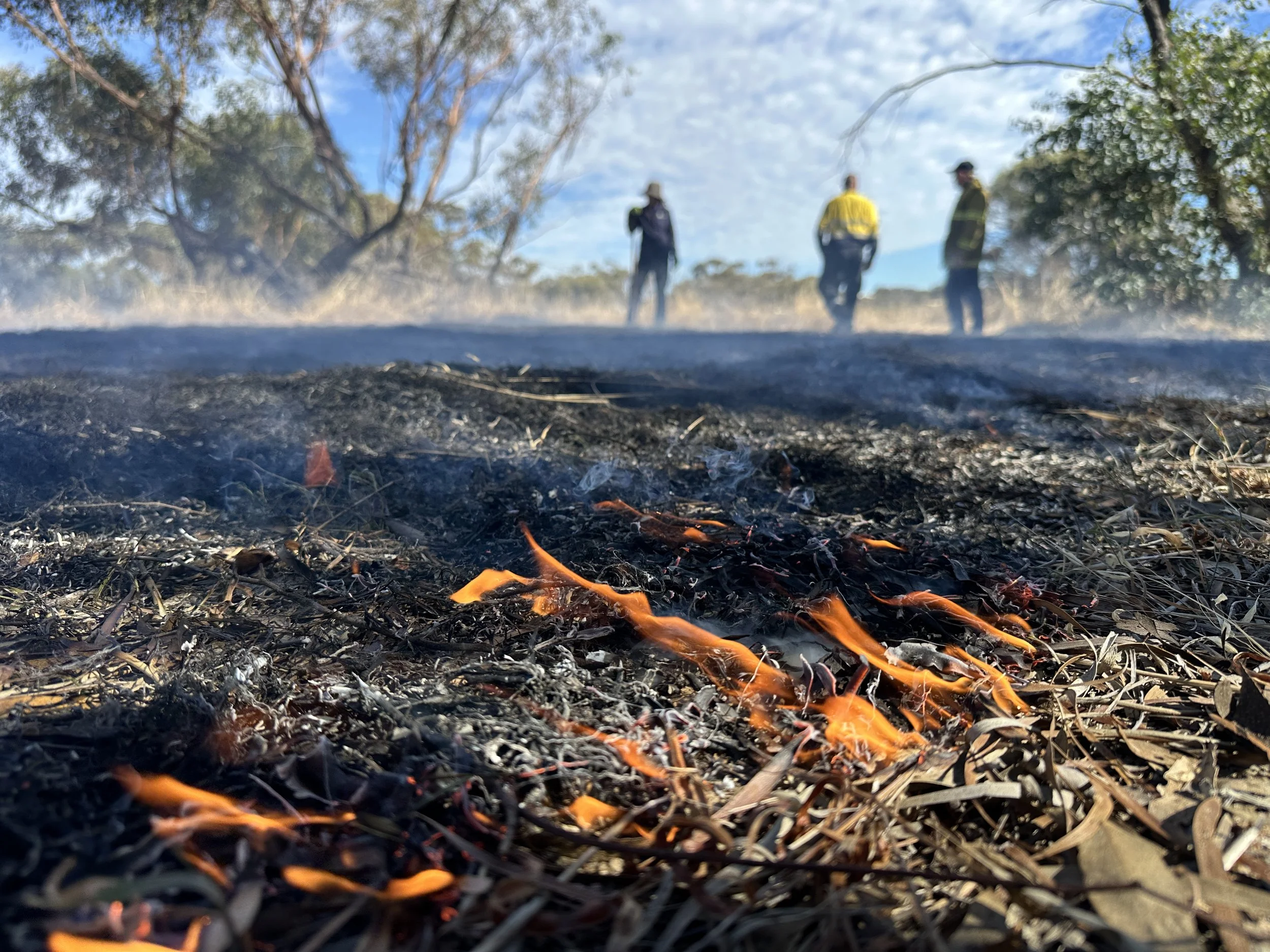
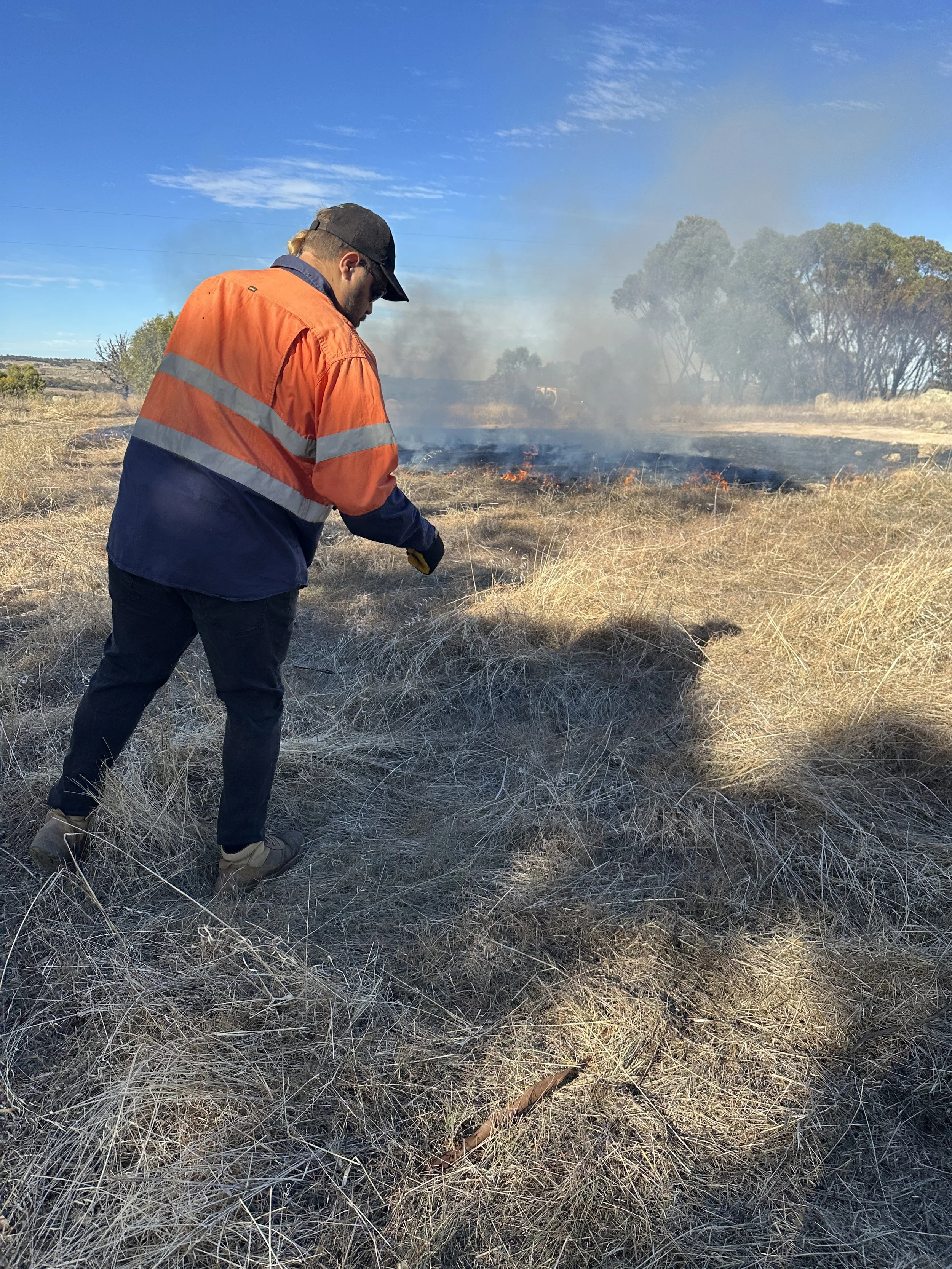
Wheatbelt NRM has begun trials to evaluate the use of cool cultural burns for regenerating remnant habitats! This marks an exciting step up in efforts to restore degraded Eucalypt Woodland across the Wheatbelt and represents a much-needed opportunity for resurgence in this traditional way of managing our landscape.
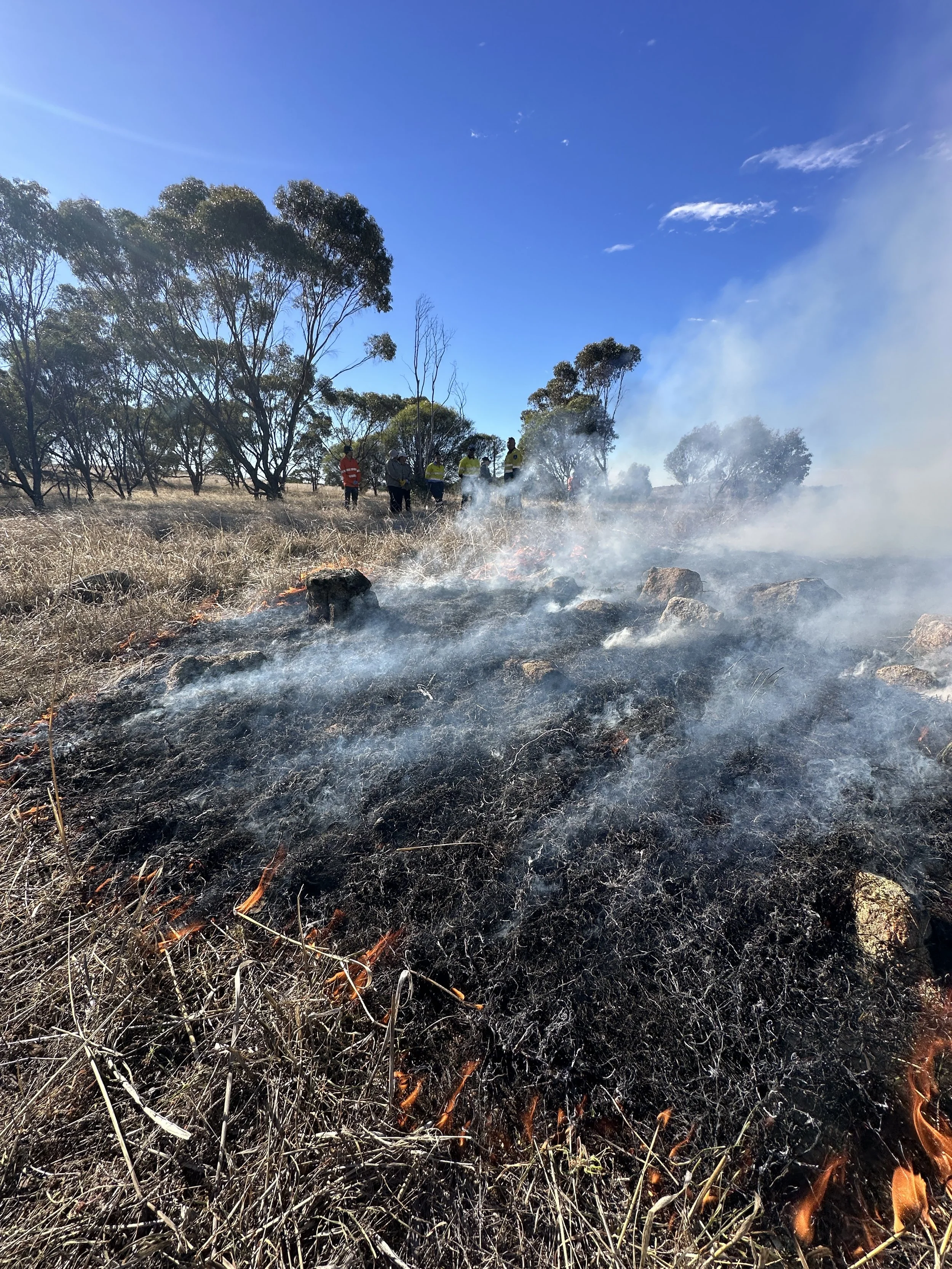
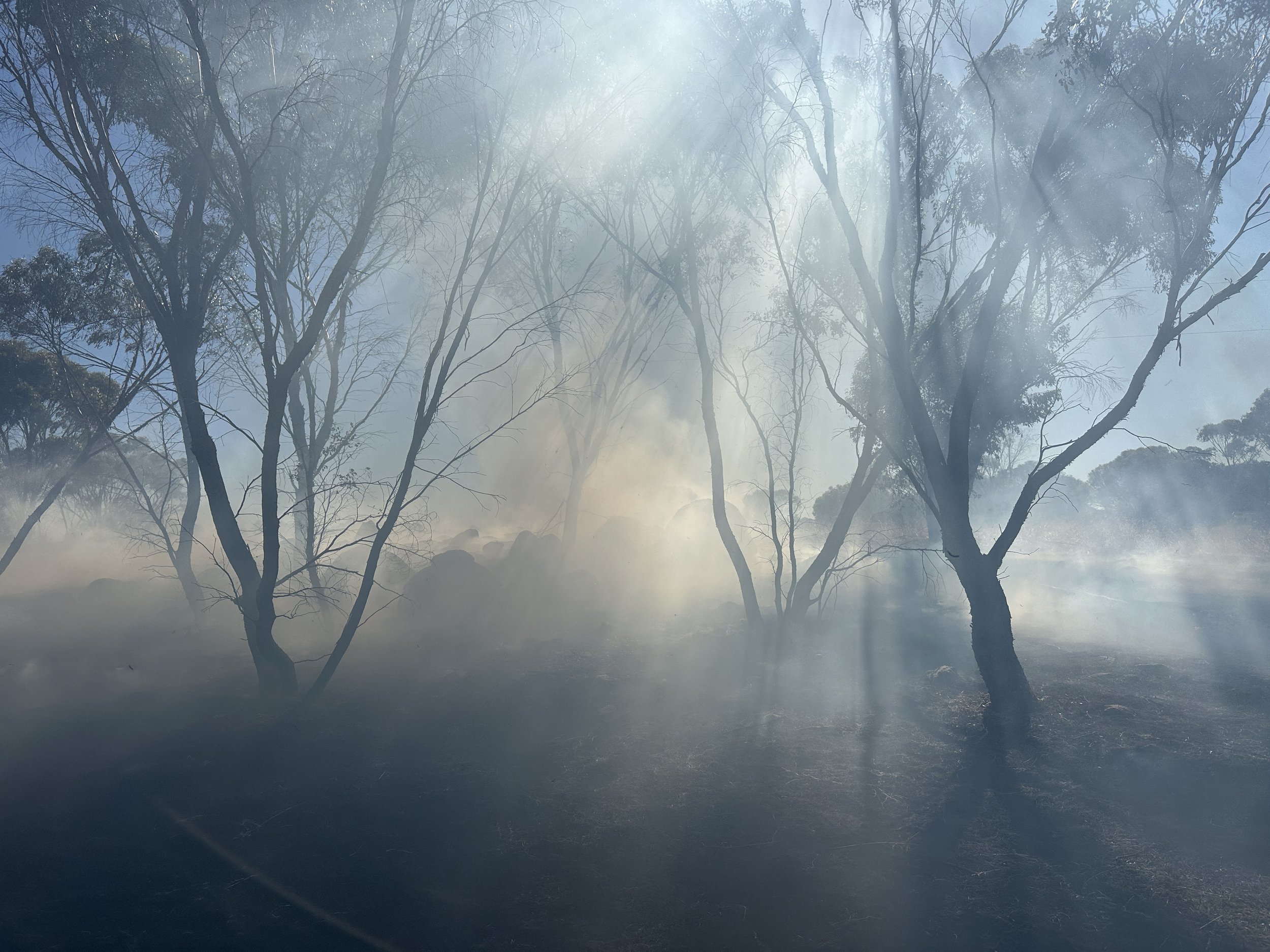
The trials, undertaken by the Healthy Environments team and Wheatbelt NRM’s Aboriginal Rangers, form part of our broader Eucalypt Woodlands project which is being undertaken in partnership with private landholders across the Wheatbelt Region. The trials focus on degraded York Gum (Eucalyptus loxophleba) woodland sites that are experiencing heavy weed growth, reduced native regeneration, past grazing impacts, and disrupted woodland structure. We are exploring how carefully managed and localised traditional low-intensity burns, undertaken by our Aboriginal Rangers, can help bring balance back to these threatened woodlands by reducing weed burdens and encouraging native species to germinate from the existing soil seedbank. These cool burns move slowly through the groundcover, targeting weeds and excess dry material while leaving the woodland canopy unscathed. The aim is to restore a more natural balance to degraded woodland areas and support the recovery of lower and mid-storey species affected by past grazing and weed growth.
Each of the ten fire trial sites is 1 ha in size and is located within degraded woodland remnants across the Wheatbelt. We have undertaken baseline surveys at each site to evaluate habitat condition and weed distributions so that we have a clear understanding of each site before fire is introduced. After the burns, each site will be monitored, with comparable surveys undertaken post-burn so that we can measure changes in weed cover, native plant recovery, and overall habitat condition.
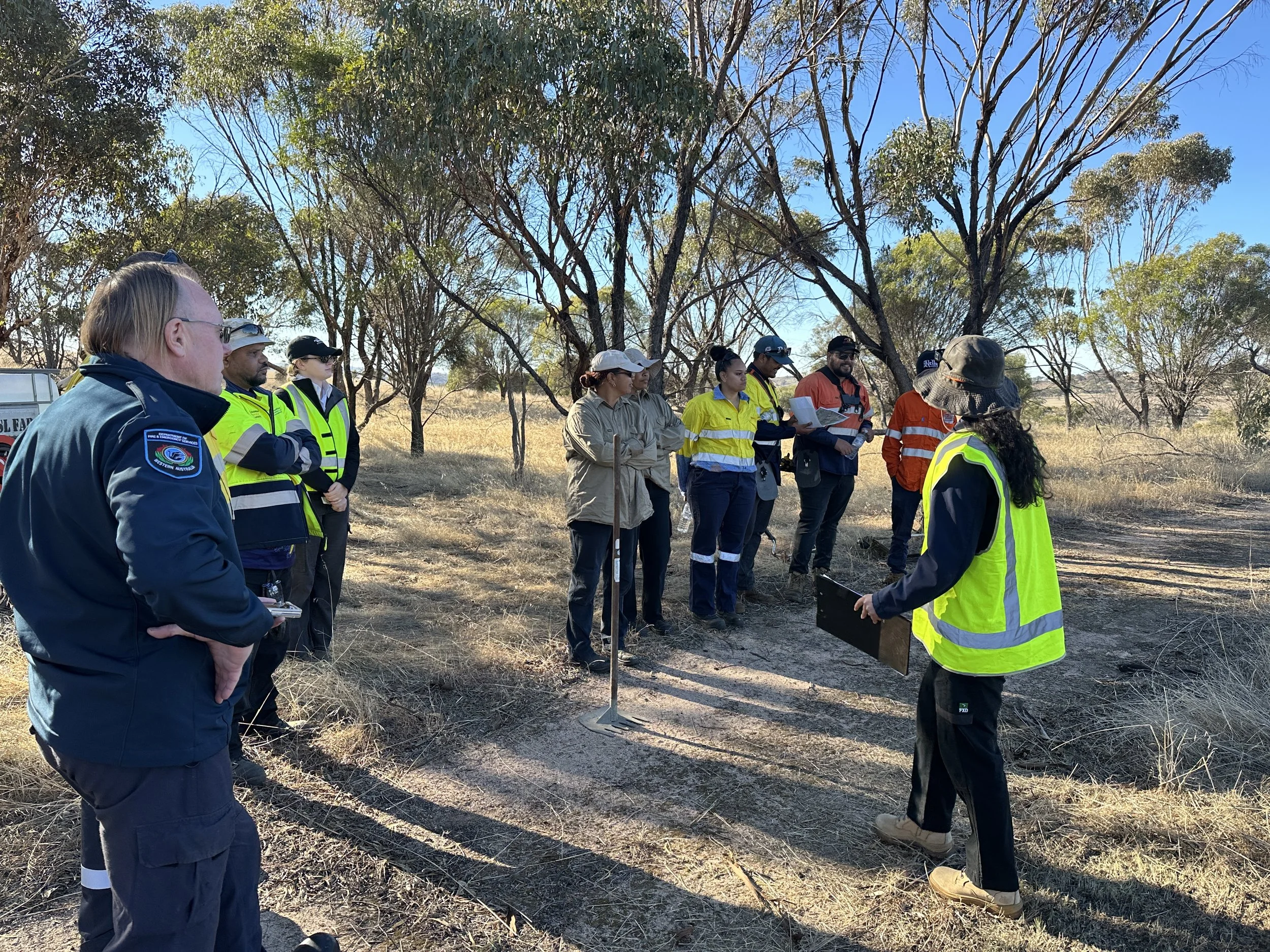
Prior to each burn, each site is assessed by our Ranger team with support from DFES Cultural Fire and Partnership Coordinator, David Windsor, to assess challenges including steep slopes, heavy weeds, fuel loads, and weather patterns, and how they all influence fire behaviour and the control techniques required. These recce visits are essential in helping prepare the teams for safe, effective burns, and for highlighting and recognising the importance of connection to Country in this traditional land care approach. We also use these preparatory visits and time prior to the burn itself to identify any features or areas that should be protected from fire and retained, such as habitat logs, burrows, and native species of biodiversity significance.
Wheatbelt NRM is hugely grateful to David and his team at the Karla Katitjin Bushfire Centre of Excellence at DFES, as well as Troy Glanville from DFES Goldfields, Midlands, Northam Regional Office and the Shires of Beverley and York, for helping to build fire management skills within our Aboriginal Rangers and Healthy Environments team as part of this project.
Want to get involved?
If you are a landholder with a large area of remnant vegetation and are interested in supporting woodland conservation or the protection of threatened ecological communities (TECs), there are many ways you can help. Protecting remnant vegetation, participating in feral control and restoring habitat can all contribute to healthier ecosystems and better outcomes for native wildlife. Wheatbelt NRM can offer significant logistical support and funding for landholders who wish to undertake:
Stock exclusion fencing
Revegetation
Weed control
Feral control
Habitat augmentation
Wheatbelt NRM works with landholders and the community to deliver practical on-ground action across the region. If you’d like to get involved read through our guidelines for our Protecting the Eucalypt Woodlands of the WA Wheatbelt project, complete our expression of interest form or contact Project Delivery Officer Cenyce Vincent for more information.
If you meet our requirements, we would love to hear from you!
Similarly, if you are interested in the work of our Aboriginal Ranger team and finding out about how they can help you, contact Divya LaBrooy for more information
This project is funded by the Australian Government’s Natural Heritage Trust and delivered by Wheatbelt NRM, a member of the Regional Delivery Partners panel.
Published eNews #415, June 2026