
A Thank You to Our Wheatbelt Community
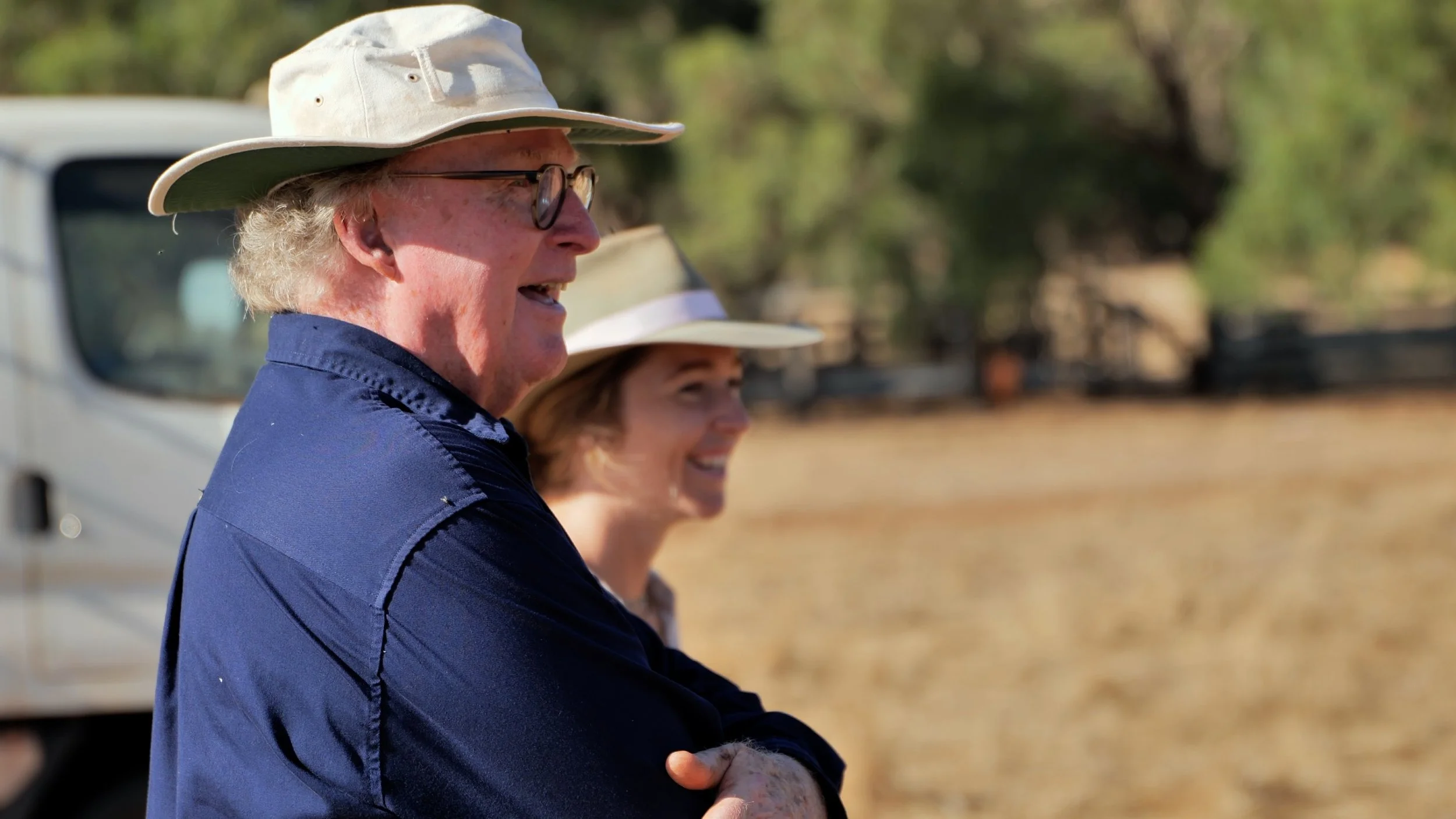
As a community-centric organisation, Wheatbelt NRM works directly with the Wheatbelt locals to care for the precious yet vulnerable environment of the Avon Valley Basin. Our efforts to restore and protect local species and habitats depend entirely on the community we serve.
Research on restoration programmes around the world demonstrates the value of social-ecological restoration; restoration that actively involves local communities (Martin et al., 2025). Restoration is the process of repairing ecosystems that have been damaged over time or through specific events such as oil spills (Dawson et al., 2026).
Recent studies have shown that community guided restoration initiatives are often more effective because they draw on local knowledge and deeper insight from the local communities. The people who live on the land are usually the first to see the impacts of a changing ecosystem and understand what is needed look after it.
That is why Wheatbelt NRM’s mission (to lead positive change in land management to conserve and protect the Wheatbelt’s natural resources through respectful partnerships, innovation and community action) rely on the help and support of the community.
The Regional NRM Plan provides guidance on how resources are allocated across the Wheatbelt, informed directly by community feedback. During 2025 and 2026, we rolled out two major surveys for landholders and community members, with the results informing the future of the region for years to come.
We also recognise the importance of leading projects guided by traditional knowledge. Our Elders Advisory Group, which has been running since 2013, provides a space for respected Elders to share cultural guidance and perspectives with our Aboriginal NRM team. Our current action plan, Koort Boodja – Mia Boodja, meaning My Heartland – My Homeland in the Noongar language, is a reminder of what sits at the heart of our restoration efforts.
On the surface, restoration may seem universally desirable. Why would anyone oppose planting trees or installing artificial nests for Carnaby’s Cockatoos? However, research shows that people are more likely to reject restoration efforts when they are imposed without meaningful involvement (Dawson et al., 2026).
Projects that are not developed in collaboration with the community risk causing unintended harm to the local people, no matter how positive they may seem. By working collaboratively, locals can have a say in where projects happen, how they are delivered, and who they benefit.
Wheatbelt NRM works alongside landholders to help care for the land they manage, from protecting Eucalypt Woodlands to establishing forage systems that improve soil health. Our approach is based on partnership. That’s why community engagement is central to how our projects operate. Without our landholders, community members, and stakeholders, the positive change we are seeing across the Wheatbelt would not be possible. For that, we offer our sincere thanks.
At the heart of restoration is community. By becoming custodians of the land we live on, we create hope for future generations and cultivate both ecological and social recovery across the region.
References:
Dawson, N., Martin, A., & Rodríguez, I. (2026). Why restoring nature can work so much more effectively when led by local people. The Conversation. https://doi.org/10.64628/AB.76fjwewkm
Martin, A., Dawson, N., Rodríguez, I., Bose, R., & Cotton, I. (2025). Towards just and transformative social–ecological restoration. Nature Sustainability. https://doi.org/10.1038/s41893-025-01702-w
Published eNews #411, February 2026