
Ecosystem Health and Native Species
What did people tell us?
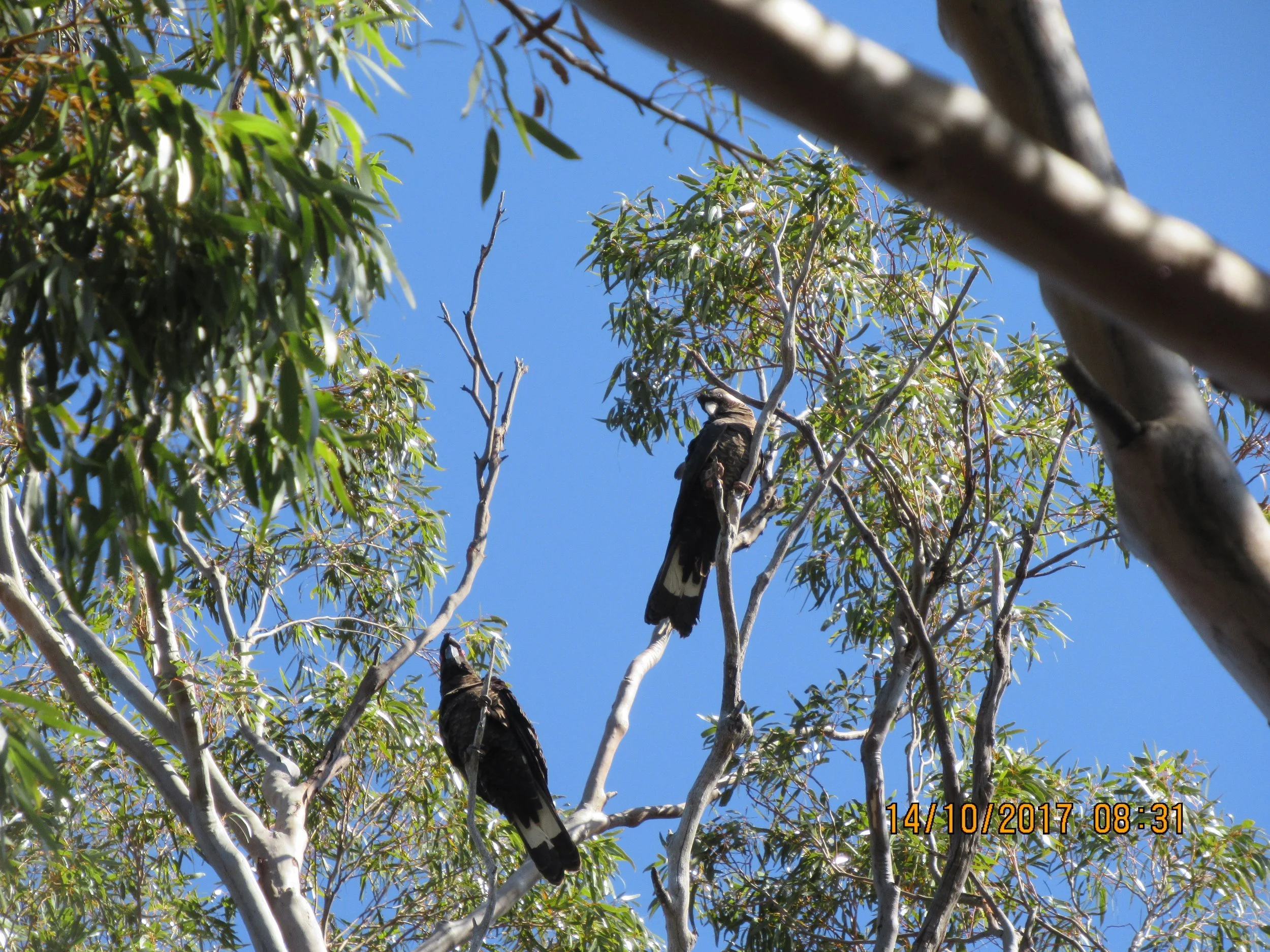
Native plants and animals matter to almost everyone in the ARB, though people come to them from different directions. In the Community Survey, the decline of native species was the issue people rated highest and worried about most, and planting native vegetation was the action they most wanted to see. For Lifestylers, living among native plants and animals is often why they chose the land in the first place. Every community group that responded works on it in some way, whether that's restoring riverbanks or putting up nesting boxes for Carnaby's Cockatoos. Elders want to see turtles, ducks, black swans and native fish returned to the rivers, and cultural burning used again to keep bushfires in check. At every youth forum, once students understood how much bush had been cleared, planting trees was the action they called for most.
Key figure: Native species was the top-ranked issue in the Community Survey, and revegetation the top priority action (46%).
How is it tracking?
Because of past clearing, species will keep disappearing for decades regardless of what we do now. The ARB slightly exceeds the 30–40% bushland threshold needed to support species viability, but the cover is not spatially uniform. Fragmentation adds to the problem: 86% of remnant patches are smaller than 10 ha, rising to 90% in the Avon Arc.
Expert advice suggests that a climate-adapted area of 10–50 ha is a better target for restoration.
Status key: ▲ at or past a threshold ⚠ at risk or worsening ? not enough data to judge

What should we do Basin-Wide?
Maintain and increase areas of native vegetation, and improve connectivity of remaining perennial vegetation systems
Increase targeted feral animal control, including expansion of established programs like Red Card for Rabbits and Foxes
Control weeds and implement appropriate fire management regimes
Explore Nature Repair market and biodiversity offset participation as funding pathways for private-land conservation
Conserve the specific values of the Great Western Woodlands
Support species reintroduction and breeding programs for yarginy, waterbirds and native fish, working with Traditional Owners
Strengthen the NRM pipeline by providing education and hands-on involvement opportunities that connect Wheatbelt Youth with NRM and community stewardship